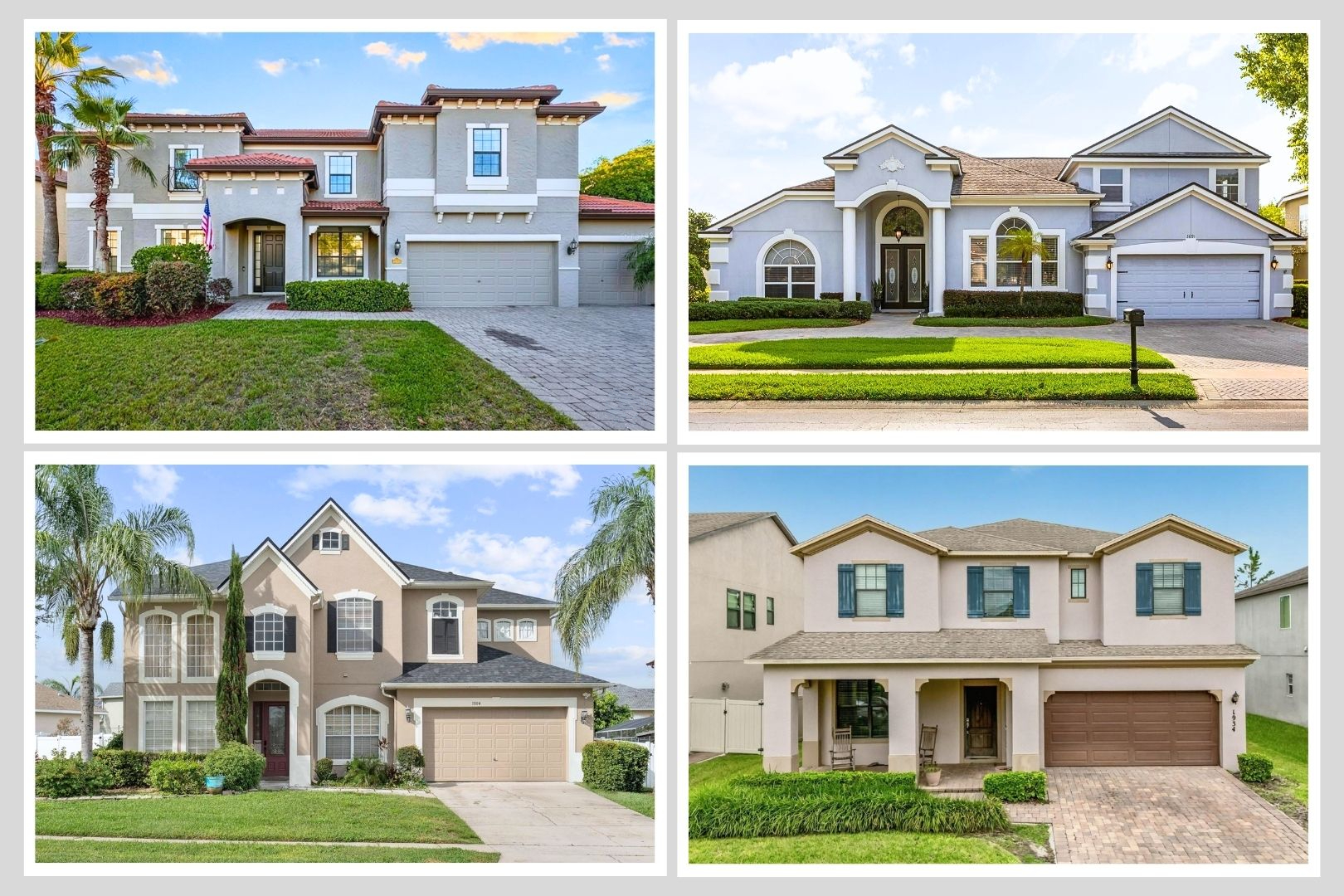

You’ve narrowed your home search to two cities — same county, similar price tags, and both within reach of Orlando’s major employment corridors. But Apopka and Ocoee are not the same city, and the differences between them matter more than most buyers initially realize.
This guide goes beyond median price tags to examine what your dollar actually buys in each market — space, schools, commute, lifestyle, and long-term investment potential. This side-by-side comparison is designed to help you figure out which city fits your life.
Setting the Stage — What Makes These Two Cities Worth Comparing
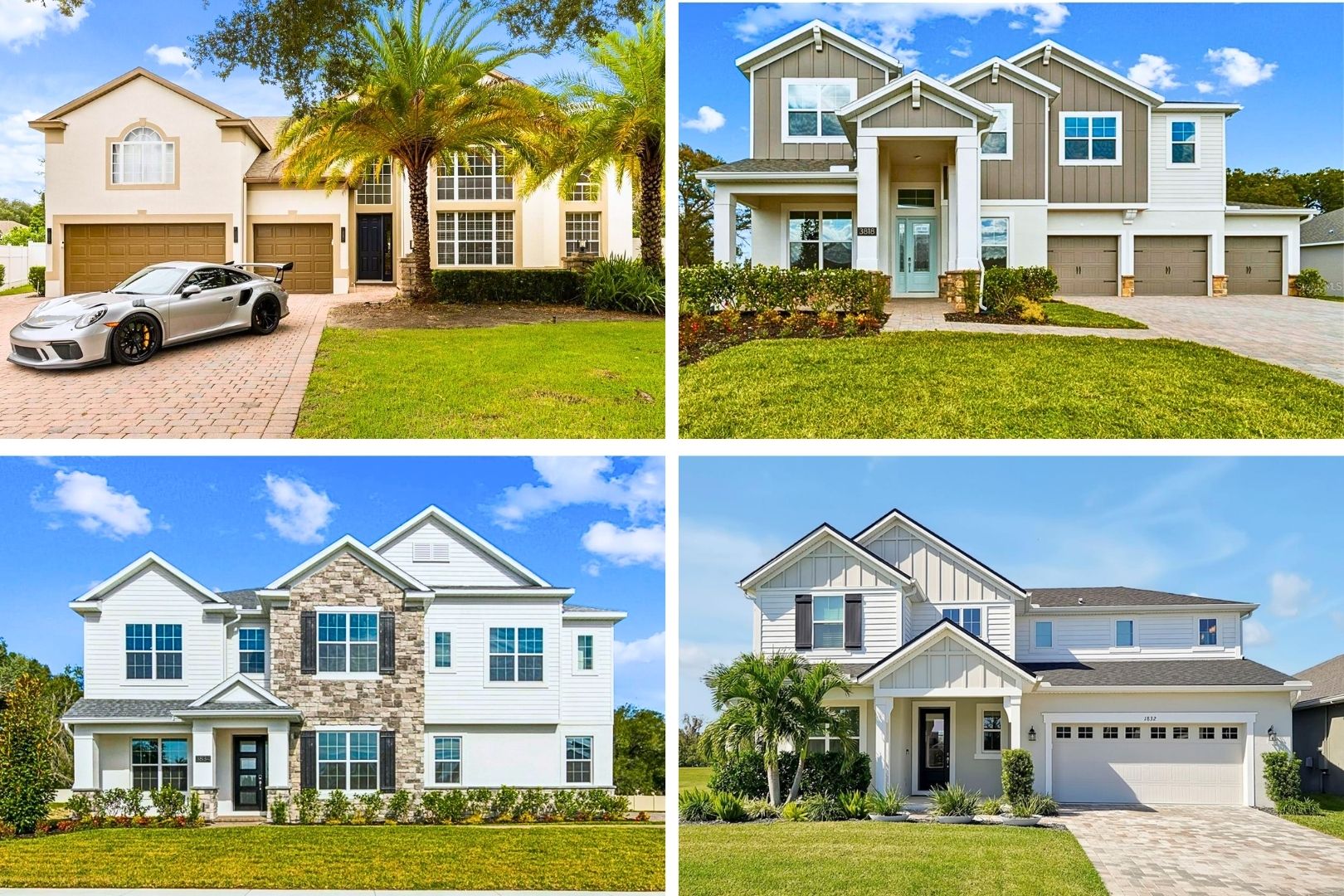
Where Apopka and Ocoee Sit on the Map
Both cities share Orange County and the West Orange County identity, but they occupy different positions within it. Apopka anchors the northwestern corner of Orange County, bordered by Lake County to the north, with primary access via US-441 and SR-429 (the Western Beltway). Ocoee sits to Apopka’s south, straddling SR-50 (Colonial Drive) and SR-429, with Winter Garden to its west and the broader Orlando metro pressing in from the east.
From either city, SR-429 provides a key artery south toward the I-4 interchange, the Sand Lake Road business district, and major hospital systems including Orlando Health and AdventHealth. Central Ocoee puts drivers approximately 25–35 minutes from downtown Orlando under normal conditions. Central and northern Apopka adds another 10–15 minutes to that baseline — a meaningful difference for daily commuters weighing their options.
Two Cities, Two Personalities
Apopka’s identity has been shaped by its agricultural and nursery industry roots, and it still carries a more expansive, semi-rural character in its northern and western reaches. Today it’s one of Orange County’s fastest-growing cities, with its population estimated at over 57,000–60,000 residents — up from approximately 41,000 in the 2010 Census. That’s roughly 40–45% growth over the decade, and master-planned communities are pushing steadily northward along the SR-429 corridor with developer confidence trailing close behind.
Ocoee, with a population approaching 48,000–52,000, feels more fully formed. It has the density and retail infrastructure of a mid-size city — an established street grid, commercial corridors, and neighborhoods that have been evolving for decades. New development exists here too, but it shares space with mature tree canopies and long-established community institutions that give the city a settled, lived-in quality.
~40–45% — Apopka’s estimated population growth over the past decade, making it one of Orange County’s fastest-growing cities.
The Numbers — Home Prices, Inventory, and What Your Budget Actually Buys
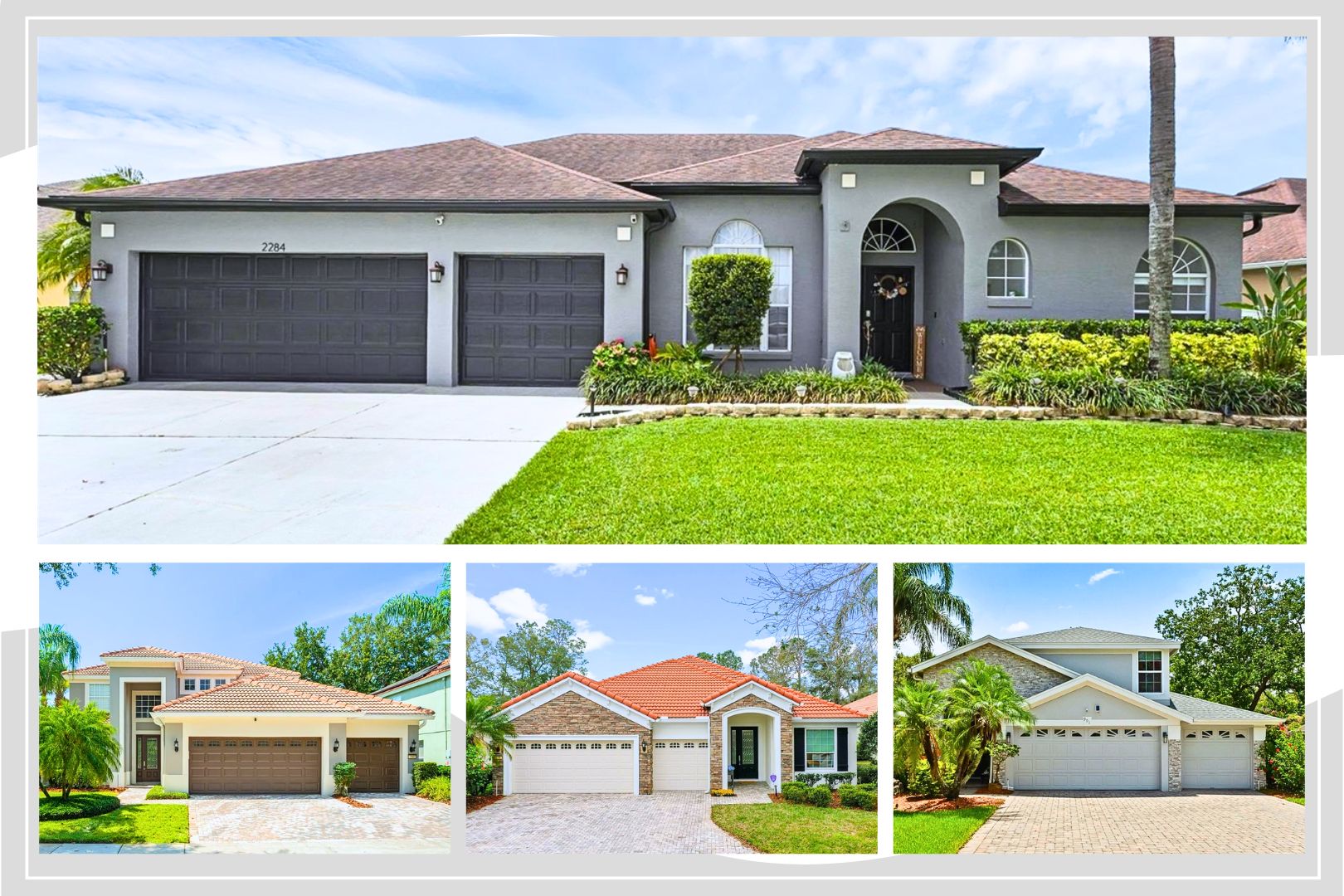
Median Home Prices in Apopka vs. Ocoee
As of early 2025 and tracking into 2026, Apopka’s median home sale price has been running in the $355,000–$390,000 range. Ocoee has tracked similarly at $345,000–$380,000 at the median — with figures varying by source, methodology, and the specific period measured. The sticker prices are close enough that they rarely settle the debate, which is precisely why price-per-square-foot and lot size matter so much in this comparison.
| Price Point | Apopka | Ocoee |
|---|---|---|
| Median sale price | $355,000–$390,000 | $345,000–$380,000 |
| Typical sq. ft. at $370K–$430K | 1,800–2,200 sq. ft. | 1,600–2,000 sq. ft. |
| Entry point (~$300K) | Some resale + new construction | Resale options available |
| $400K–$500K profile | Larger lot more likely | Shorter drive to retail/employment |
New Construction vs. Resale Inventory
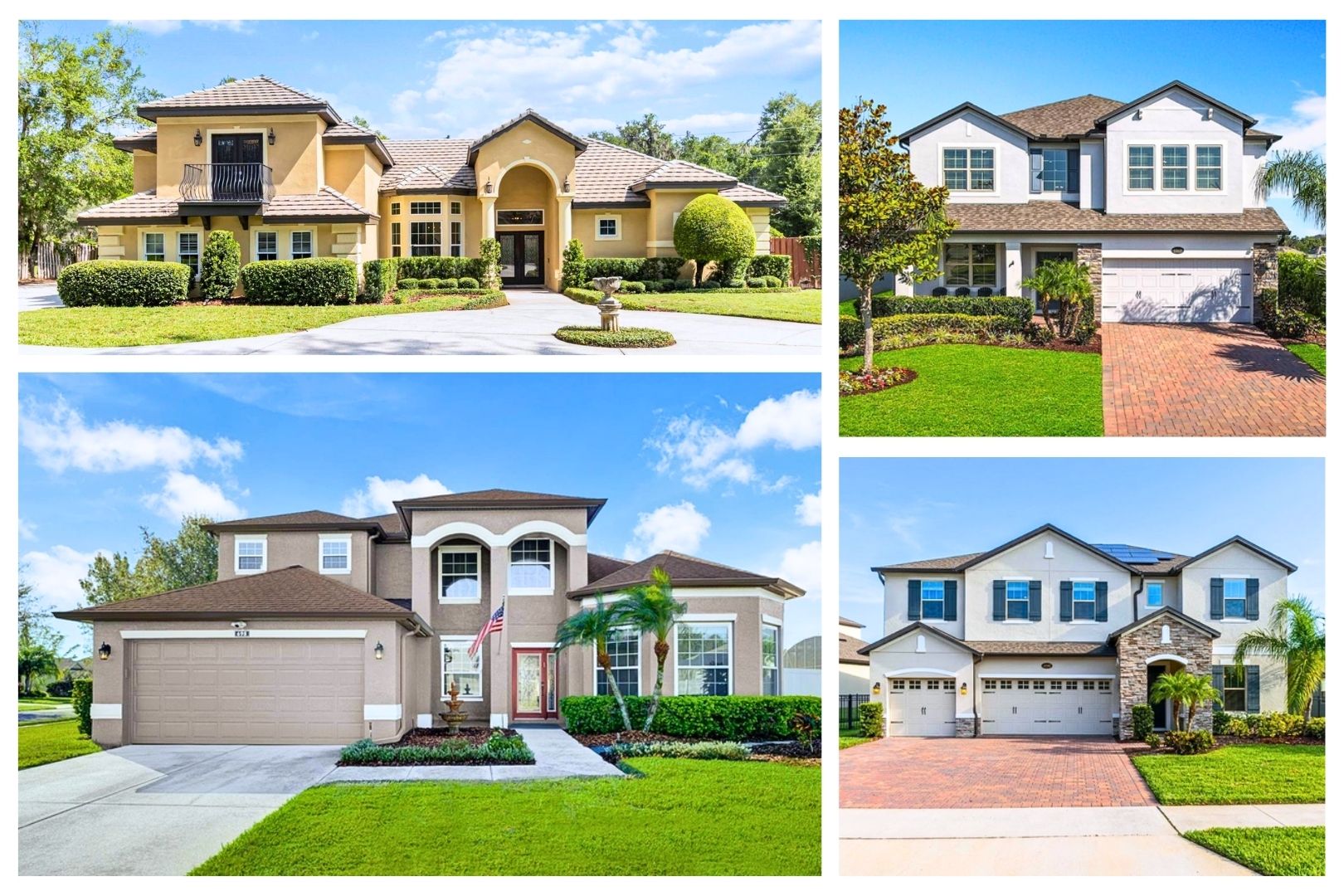
Apopka has been one of Orange County’s most active new construction markets in recent years. Master-planned communities along the SR-429 growth corridor — including Bronson’s Ridge, Kelly Park Hills, and the Plymouth Sorrento Road area — have seen significant activity from builders including D.R. Horton, Pulte, and Meritage Homes. These communities typically feature resort-style amenities, community pools, walking trails, and modern floor plans designed for how families actually live today.
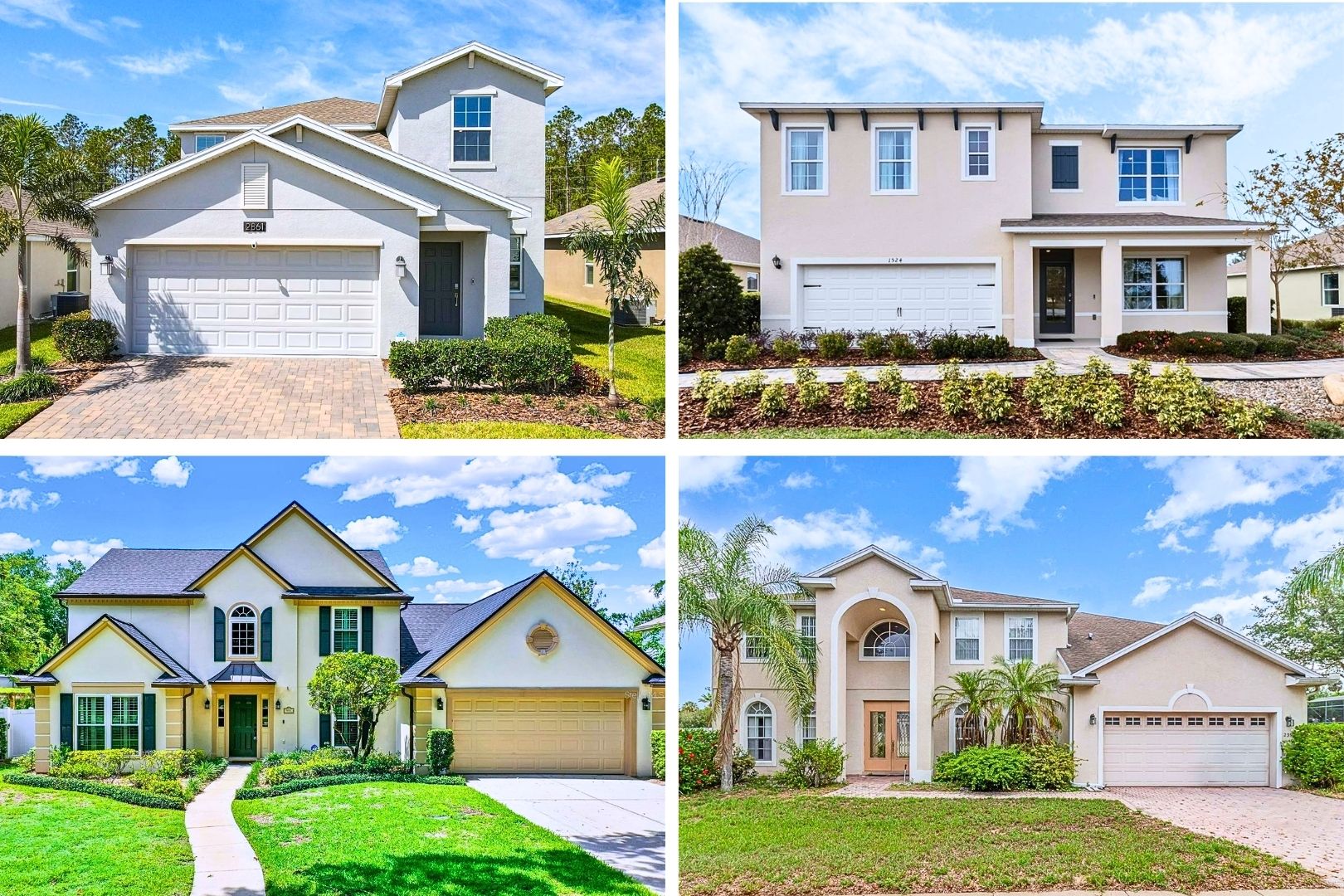
Ocoee’s inventory leans more heavily toward resale. Established neighborhoods like Coventry, Reflections, Lake Olympia Club, and Westyn Bay offer mature landscaping and settled character — and often more room to negotiate than brand-new construction. Newer infill development along Maguire Road and Ocoee’s southern quadrant has added contemporary options without erasing the city’s established feel. Both sides of the inventory equation have genuine appeal depending on what a buyer values most.
Lot Sizes and What Buyers Get Beyond the House
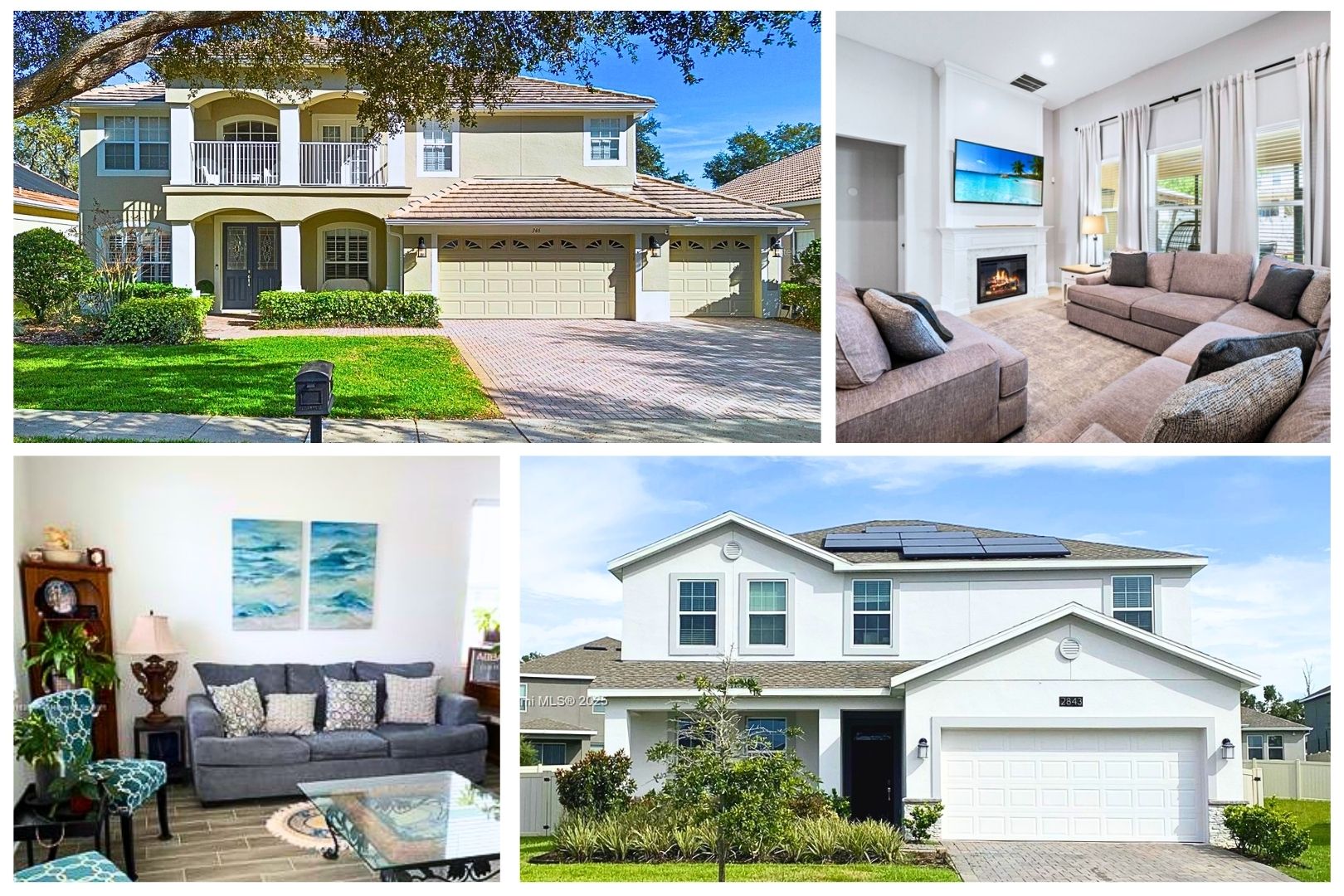
This is one of the clearest value differentiators between the two cities. In Apopka’s newer northern communities, quarter-acre and larger lots are common at price points where Ocoee buyers more often encounter 55–70 foot wide lots with shorter setbacks.
38–60 days — Average days on market in both Apopka and Ocoee, with Ocoee trending slightly faster due to its SR-50 corridor location and strong resale demand.
List-to-sale price ratios in both markets remain tight in desirable neighborhoods, so buyers who are prepared to move quickly are in a stronger position regardless of which city they target.
Schools, Parks, and the Family Lifestyle Factor

Photo Credit: https://www.ocps.net/
School Zones: Apopka
Both cities are served by Orange County Public Schools — one of the largest school districts in Florida and the nation, serving approximately 200,000 or more students. Notable schools in the Apopka zone include:
- Apopka High School
- Wolf Lake Middle School
- Wolf Lake Elementary
- Kelly Park K–8 campus, opened in 2019 to serve the rapidly expanding SR-429/Kelly Park interchange communities
School zone assignments are address-specific and subject to change. Buyers should verify current zoning directly with OCPS before making any purchase decision based on school access — listing descriptions are not a reliable substitute.
School Zones: Ocoee
Ocoee is served by Ocoee High School, Ocoee Middle School, and several elementary schools throughout its established neighborhoods. Buyers in western Ocoee may fall within the West Orange High School attendance area. As in Apopka, OCPS boundaries shift over time, and direct verification with the district is essential for any buyer prioritizing school zoning.
Parks, Trails, and Outdoor Recreation
Apopka’s outdoor amenities are a distinctive selling point. Wekiwa Springs State Park sits immediately to the east, encompassing approximately 7,000 acres of protected natural land offering spring swimming, kayaking, hiking, and camping — all within a short drive of most Apopka neighborhoods. Rock Springs Run State Reserve, adjacent to Apopka’s northwestern reaches, adds tubing and wildlife-rich paddling to the city’s outdoor portfolio. The Northwest Recreation Complex on Binion Road anchors youth and adult athletic programming as one of Orange County’s largest multi-sport facilities.
Ocoee counters with its own strong recreational fabric. Bill Breeze Park on Lake Starke and Vignetti Park provide lakefront access and green space within the city core. Ocoee’s geography is defined by lakes — Clarke, Starke, Olympia, and others — giving waterfront proximity that surprises buyers who assume the SR-50 corridor defines the whole city. The West Orange Trail is also accessible from Ocoee, connecting cyclists and walkers across the broader West Orange County network stretching through Winter Garden and beyond.
💡 Pro Tip: Before committing to any Apopka neighborhood near the northern growth corridor, drive SR-429 southbound during a weekday morning commute. Toll costs add up quickly — calculate your monthly outlay before falling in love with a listing.
Commute, Connectivity, and Daily Convenience
Getting Around from Apopka
SR-429 is the backbone of Apopka’s regional connectivity, carrying commuters south toward the I-4 interchange and the broader metro. US-441 runs north-south through the city’s core and serves as the main arterial for buyers in established central Apopka neighborhoods. Under normal conditions, commutes from central and northern Apopka to downtown Orlando run approximately 35–50 minutes.
One genuine transit differentiator: the SunRail Apopka Station on the North Line connects riders south toward downtown Orlando’s Church Street and Orlando Health stations, offering a non-driving option that not all West Orange County cities share. For hybrid commuters and remote workers who occasionally need downtown access without the toll road, this matters more than buyers sometimes realize.
Getting Around from Ocoee
Ocoee’s SR-50 corridor is its primary strength in the connectivity conversation. SR-50 runs east directly toward downtown Orlando and west toward Clermont and the I-4/US-27 interchange, providing strong east-west mobility that Apopka buyers farther north don’t equally share. Commutes from central Ocoee to downtown Orlando typically run 25–40 minutes depending on time of day. The honest caveat is that SR-50 congestion during morning and evening peak hours is a well-known friction point — worth driving the actual route at rush hour before committing to a neighborhood close to the corridor.
Shopping, Dining, and Everyday Errands
Ocoee holds a clear advantage in retail density. The SR-50 and Maguire Road corridor is anchored by major grocery chains, big-box retail, and a dense concentration of restaurants and service businesses that make everyday errands fast and convenient. Apopka’s retail presence along US-441 and Rock Springs Road has grown meaningfully in recent years, but buyers in the city’s newer northern communities may find themselves driving 10–15 minutes for grocery runs that Ocoee residents make in five. Both cities sit within comfortable reach of Winter Garden Village at Fowler Groves, which serves the entire West Orange area as a regional retail and dining anchor.
Long-Term Value — Growth Trajectory and Investment Outlook
Apopka’s Growth Story
Apopka is one of the clearest illustrations of a city being carried forward by infrastructure investment. The SR-429 expansion has unlocked enormous development pressure in the northwest Orlando corridor, and home prices have responded with consistent year-over-year appreciation in recent years. The Kelly Park interchange area continues to attract residential and commercial development, and Orange County’s long-range growth projections include Apopka as a primary growth node.
The Orlando–Kissimmee–Sanford metro has added tens of thousands of jobs year-over-year as of mid-2024, per U.S. Bureau of Labor Statistics data, and Apopka sits squarely within the radius of workers chasing that growth.
Ocoee’s Stability and Redevelopment Potential
Ocoee’s appreciation curve is steadier and less speculative — a reflection of a more mature, established market with consistent demand year over year. Its value story is less about frontier growth and more about sustained demand for a well-located city with strong infrastructure. The ongoing Ocoee Town Center redevelopment concept represents a meaningful long-term play on improving walkability and downtown character — the kind of initiative that tends to lift surrounding residential values as it matures. The permanent geographic advantage of the SR-429/SR-50 interchange supports long-term demand through any development cycle.
Which City Has Stronger Investor Appeal?
For investors, the answer depends on strategy. Apopka’s newer construction attracts higher-end renters seeking modern amenities and larger spaces, and its land appreciation story carries more speculative upside for those with a longer holding horizon. Ocoee’s mix of price points and SR-50 accessibility supports a broader rental population and historically tighter vacancy in established neighborhoods.
| Investment Factor | Apopka | Ocoee |
|---|---|---|
| Appreciation potential | Higher speculative upside | Steadier, established curve |
| Rental demand profile | Higher-end renters, modern amenities | Broader renter base, SR-50 access |
| Vacancy trends | Newer communities still filling | Historically tighter in established neighborhoods |
| Best for | Long-term land appreciation | Consistent rental income |
Neither city represents a poor investment choice — but they serve different approaches. Match the city to your specific strategy rather than treating the two as interchangeable.
So Which City Is Right for You? — A Buyer’s Decision Framework
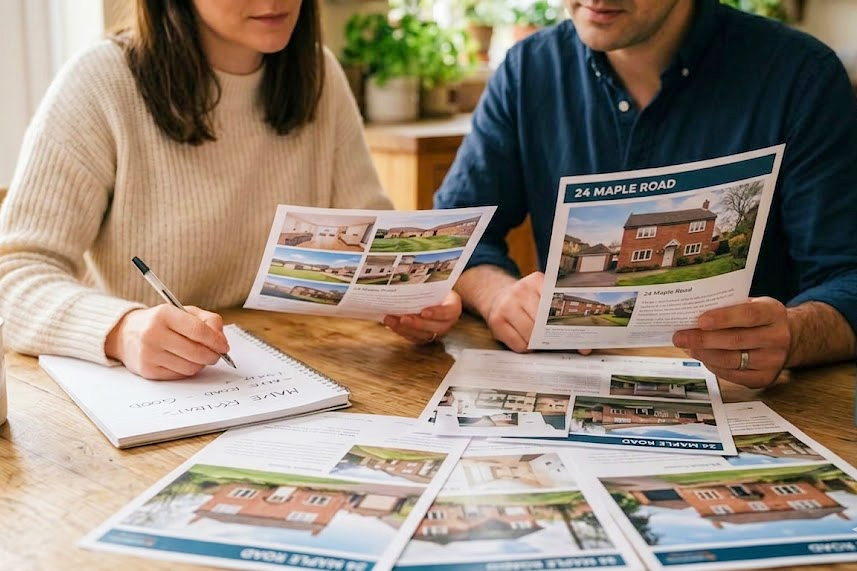

Rather than declaring a winner, the most useful thing this comparison can do is help you self-select based on your actual priorities — not someone else’s ranking.
Choose Apopka if you want newer construction with modern floor plans, larger lots per dollar, a nature-forward lifestyle with Wekiwa Springs and Rock Springs Run practically in your backyard, and the long-term upside of a city still building out its growth story. Families drawn to newer school campuses and master-planned community amenities — resort pools, tot lots, walking trails woven into the neighborhood design — will find strong options in communities like Bronson’s Ridge and Kelly Park Hills. Accept that commute times run a bit longer and that retail density is still catching up to population growth.
Choose Ocoee if you want established neighborhood character, faster access to SR-50’s retail and employment corridor, a shorter drive to downtown Orlando, and a wider inventory mix of resale and new construction. Buyers who want lakefront parks, a city that feels fully realized rather than still in progress, and the convenience of running errands in minutes rather than a planned trip will lean toward Ocoee. Accept that lots tend to be smaller and that SR-50 traffic is a real daily variable during peak hours.
💡 Pro Tip: Build your non-negotiables list before you fall in love with a listing. Commute tolerance, lot size minimums, school zone requirements, and retail access preferences — write them down first. The right city becomes obvious when you filter through your own priorities rather than price alone.
Neither city is the wrong answer. The right choice lives entirely in your own list of non-negotiables.
Frequently Asked Questions About Buying a Home in Apopka vs. Ocoee
Is Apopka or Ocoee more affordable for first-time buyers?
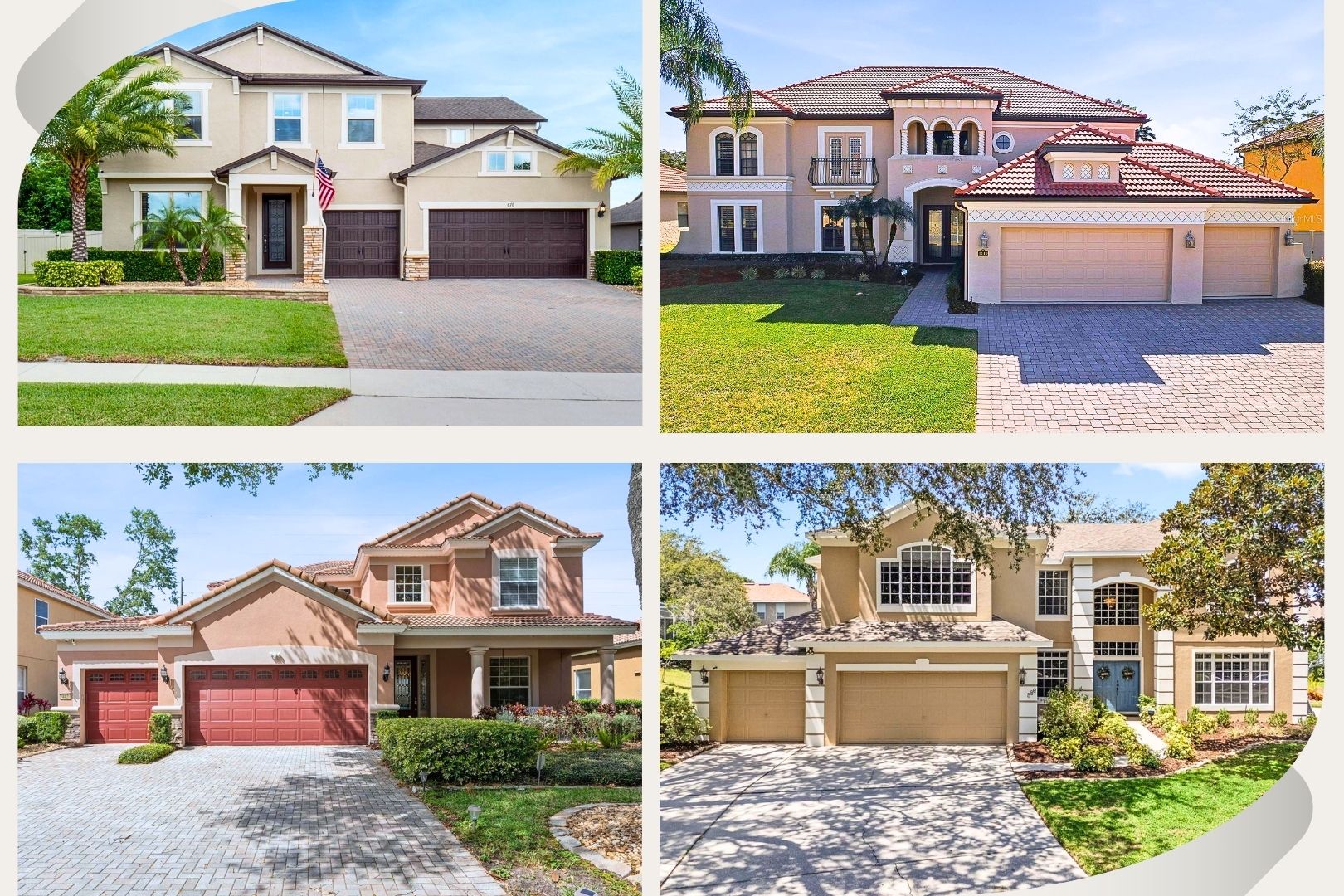
Both cities offer meaningful affordability compared to higher-priced Orange County markets like Winter Garden or Dr. Phillips. Apopka generally delivers more square footage and lot size per dollar, particularly in newer developments north of SR-414. Ocoee’s resale market can offer competitive entry-level pricing in established neighborhoods, sometimes with more room to negotiate. Median household incomes across both cities fall broadly in the $60,000–$72,000 range, making both markets accessible to a wide range of working households. First-time buyers should explore both markets simultaneously — inventory timing and specific listings often matter as much as city-level price averages.
How long is the commute from Apopka and Ocoee to downtown Orlando?
From central Ocoee, commutes to downtown Orlando via SR-50 or the SR-429/I-4 interchange typically run 25–40 minutes depending on time of day. From central and northern Apopka via US-441 or SR-429, expect approximately 35–50 minutes under normal conditions. SR-429 toll costs are an added budgetary consideration for daily Apopka commuters. Apopka also has a SunRail station on the North Line — a genuine option for buyers who want to reduce driving days without leaving the suburbs.
Are the schools better in Apopka or Ocoee?
Both cities are served by Orange County Public Schools, one of the largest districts in Florida and the nation with approximately 200,000 or more students enrolled. Each city has a mix of elementary, middle, and high school options with varying ratings and program strengths. Specific school quality and zone assignments vary by address and are updated periodically by the district. Buyers for whom school access is a priority should verify current zoning directly with OCPS at the property address level — never rely on listing descriptions or neighborhood assumptions alone.
Which city has more new construction homes available?
Apopka has seen significantly more new construction activity in recent years, driven by master-planned community development along the SR-429 corridor and the Kelly Park interchange area. D.R. Horton, Pulte, and Meritage have all maintained active communities in and near Apopka. Ocoee has new construction available as well — particularly in its southern and western quadrants — but its inventory leans more heavily toward resale homes in established neighborhoods, which appeals to buyers who prefer mature landscaping and communities where the amenities are already in place.
Is Apopka or Ocoee a better real estate investment in 2026?
Both cities sit within the high-growth Orlando metro and have demonstrated consistent appreciation. Apopka carries more speculative upside tied to its growth corridor development and available land supply, while Ocoee offers the stability of a more established market with strong rental demand anchored by SR-50 accessibility. Investors focused on rental income may find Ocoee’s central location advantageous, while those seeking land appreciation may prefer Apopka’s newer communities. Investment merit ultimately depends on strategy, property type, and intended holding period — past performance does not guarantee future results.
What are some of the best neighborhoods in Apopka and Ocoee?
In Apopka, frequently sought communities include:
- Bronson’s Ridge
- Kelly Park Hills
- Wekiva Springs-area neighborhoods
- Emerson Park
- Errol Estate
In Ocoee, buyers regularly target:
- Coventry
- Reflections
- Lake Olympia Club
- Westyn Bay
- Brookstone
HOA structure, community amenities, and proximity to SR-429 vary meaningfully between neighborhoods. Exploring multiple options within each city rather than locking onto a single community early will give buyers a much clearer sense of what their budget actually delivers.
The Bottom Line on Apopka vs. Ocoee

Both cities represent genuine value in a West Orange County market that continues to attract buyers priced out of Orlando’s more expensive corridors — and both will likely look like smart decisions five years from now. Apopka rewards buyers who want land, newness, and nature woven into their daily life. Ocoee rewards buyers who want connectivity, established character, and the convenience of a city that’s already fully built out around them.
The right answer doesn’t live in the data. It lives in your own priority list. Whichever direction your search takes you, the West Orange County market moves quickly and local knowledge matters. If you’re ready to move from comparison to action, reach out to our team and let’s talk through what the right fit looks like for you.