
Six miles from Walt Disney World’s main entrance, your home earns rental income while you’re away — and when you’re there, you’re teeing off on a Jack Nicklaus signature course before lunch. That’s the Reunion, FL proposition, and it’s a combination of resort amenities and short-term rental demand that’s genuinely rare in Central Florida’s residential market.
This guide isn’t a brochure. It’s the complete picture: resort amenities, STR income potential, and every cost you need to understand before you sign. By the time you finish reading, you’ll know exactly what ownership at Reunion looks like financially and experientially — so you can make the most informed decision possible.
What Makes Reunion FL Unlike Any Other Community in Central Florida

A Master-Planned Resort Community Built Around Experience
Reunion Resort is a gated, master-planned community spanning approximately 2,300 acres in Osceola County, situated near the intersection of I-4 and US-192 — one of Central Florida’s most traveled corridors. Its location is one of its defining advantages: roughly six miles from Walt Disney World’s main entrance, with seamless access to the broader Orlando theme park corridor.
The community wasn’t built as a neighborhood that happens to be near Disney. It was purpose-built as a resort destination, and the infrastructure reflects that intention throughout.
Residents and guests have access to a full-scale waterpark with a lazy river and multiple pool complexes, along with:
- Tennis courts and sand volleyball courts
- A full-service spa and fitness center
- Playgrounds and walking trails
- On-site dining and the Reunion Grande event space
The Reunion Grande serves as a community anchor, hosting events and providing the kind of social gathering space you’d expect from a luxury hotel — not a standard residential subdivision. That distinction matters enormously when you’re thinking about what your rental guests are comparing your home against when they choose where to stay.
Three Signature Golf Courses That Define the Community’s Identity


Golf is central to Reunion’s identity in a way that shapes both its culture and its property values. The community is home to three championship courses:
- The Jack Nicklaus Tradition Course
- The Arnold Palmer Signature Course
- The Tom Watson Tribute Course
Having three distinct designer courses within a single residential community is extraordinarily rare. It serves as a powerful draw for golf-oriented buyers who want the sport woven into daily life rather than a separate destination.
Beyond lifestyle, the golf courses contribute meaningfully to the property value ecosystem. Homes with direct golf course frontage or views consistently command premiums, and the prestige of three globally recognized designers reinforces Reunion’s positioning as a luxury resort address. Membership tiers and structures vary — clarify during the purchase process exactly what amenity access comes with your specific property.
The Village Neighborhoods Within Reunion
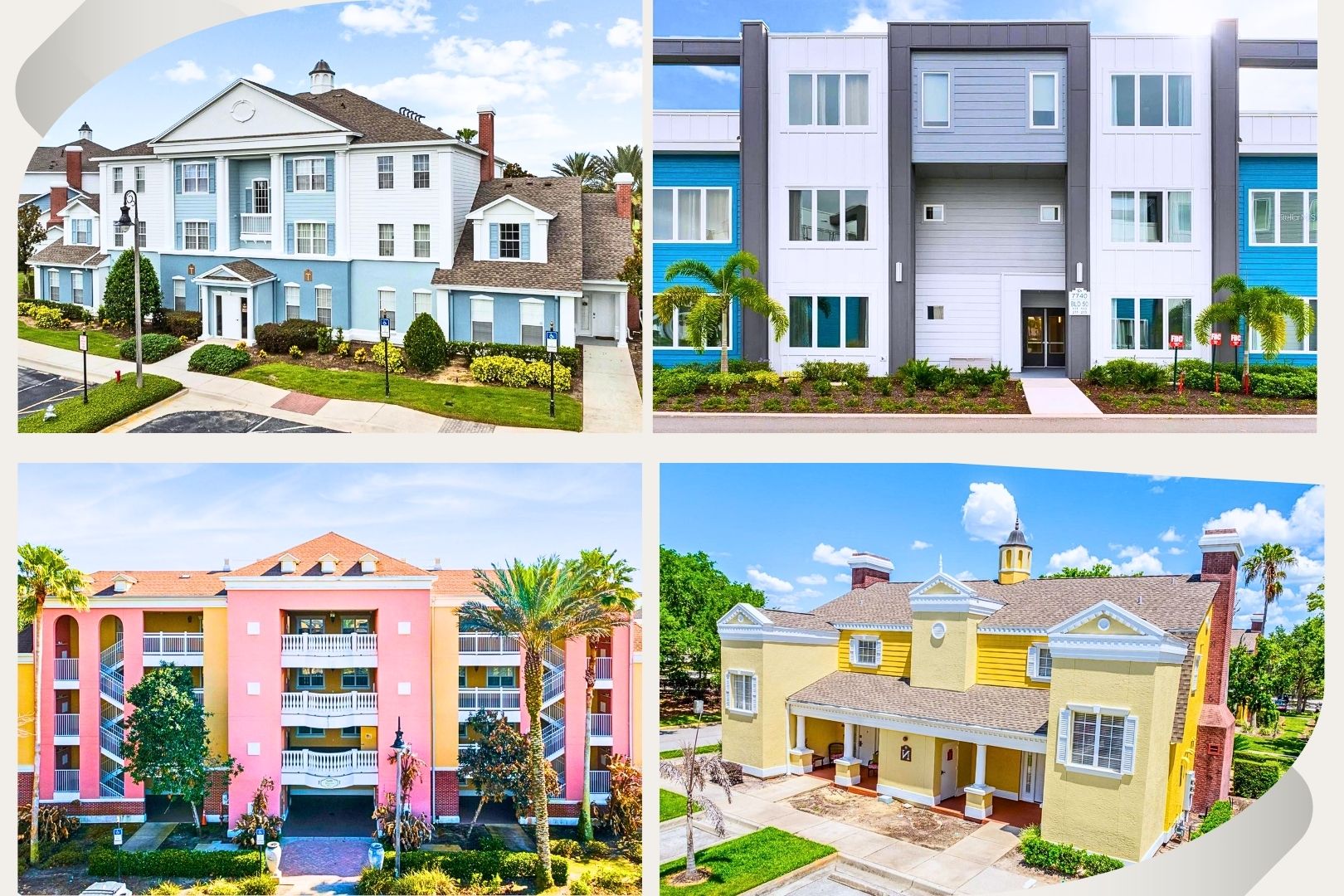
Reunion is not a single homogeneous development. It’s a collection of distinct sub-neighborhoods and villages, each with its own character, price point, and feel. Communities within the larger Reunion umbrella include Homecoming, Terranova, Liberty Bluff, and the Estates at Reunion, among others clustered around the resort core.
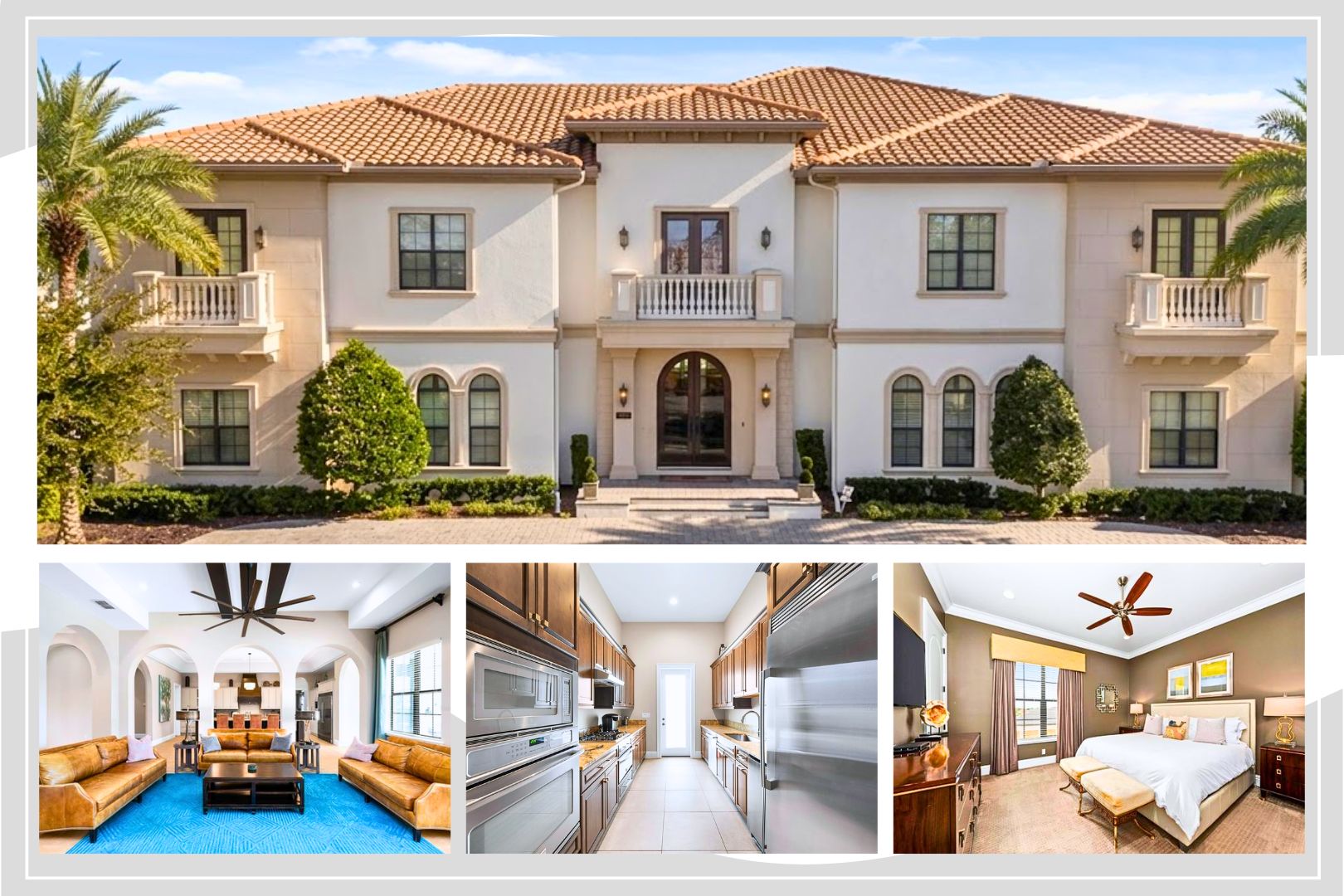
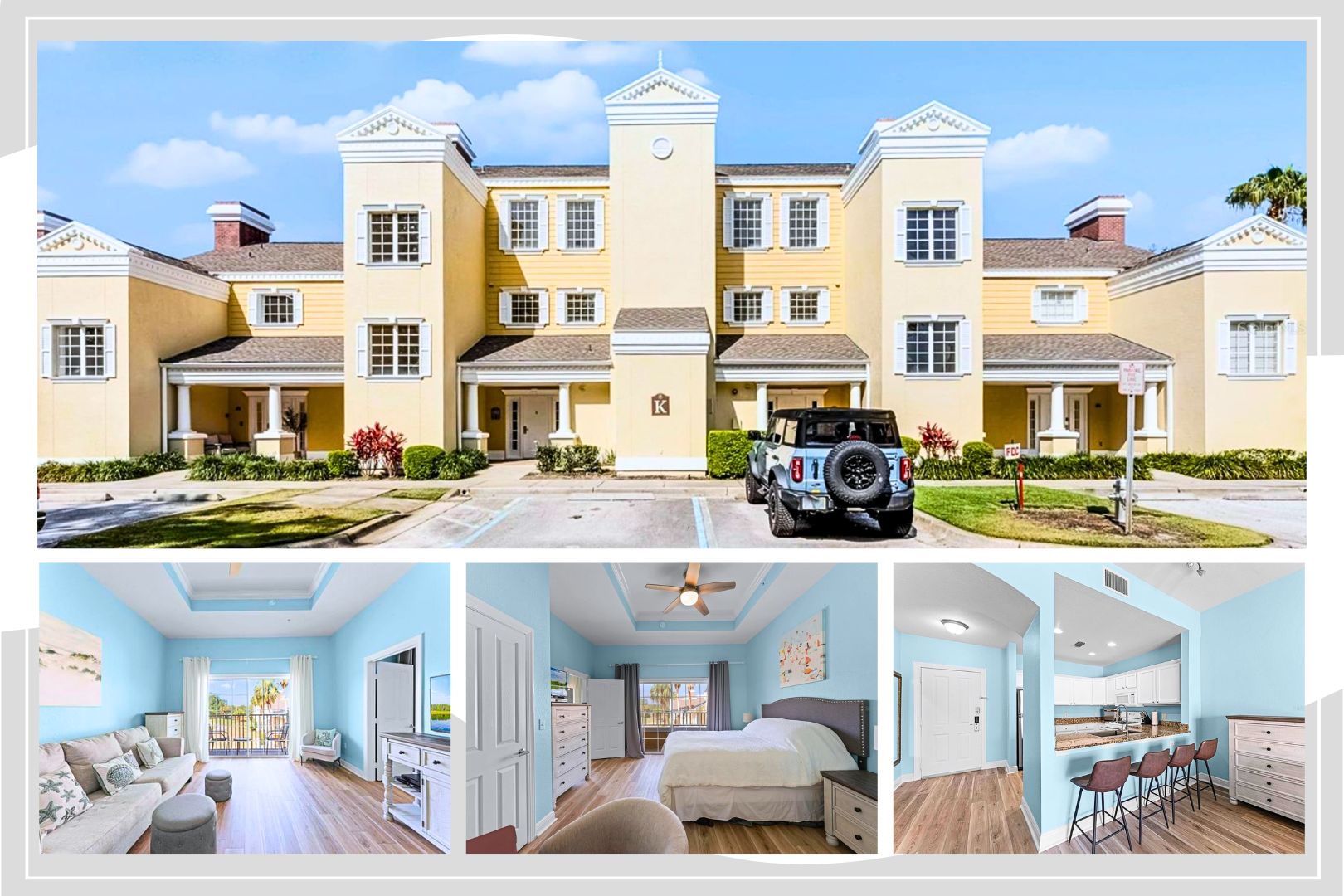
These villages offer a wide range of property types: attached townhomes, single-family pool homes, and expansive luxury estate properties. The village where a home is located matters considerably — it influences proximity to amenities, views, sub-HOA fee structure, and short-term rental performance.
Think of “Reunion” not as a single market, but as a collection of micro-markets. Each is worth evaluating on its own terms before zeroing in on a target property type and price range.
The Resort Lifestyle — What You’re Actually Buying Into

Amenities That Rival a Five-Star Hotel
Ownership at Reunion comes with access to an amenity ecosystem that is genuinely difficult to replicate outside of a dedicated resort community. The on-site waterpark, multiple neighborhood pool areas distributed throughout the villages, tennis courts, sand volleyball, walking trails, and a full-service spa collectively create a resort experience that guests compare favorably to hotel alternatives — and choose Reunion because of.
That’s not just lifestyle value. It’s income-generating infrastructure for owners running short-term rentals.
The Reunion Grande ballroom and event space adds another dimension to the community’s appeal, drawing weddings, corporate gatherings, and community events that contribute to the resort atmosphere year-round. For buyers considering personal use, the amenity calendar means there is consistently something happening at Reunion — it doesn’t feel like a quiet residential neighborhood that empties between tourist seasons.
Proximity to Orlando’s Theme Parks and Attractions
Walt Disney World draws tens of millions of annual visitors across its four theme parks — consistently ranking among the most visited resort destinations on the planet — and that proximity is baked into every serious investment conversation about this community. Universal Studios and SeaWorld are easily reachable via I-4, and the US-192 corridor in Kissimmee provides dense everyday convenience just minutes from the community’s gates.
Note on International Drive: I-Drive entertainment and dining options are accessible, but approximately 20 to 25 miles from Reunion — a meaningfully longer trip than the Disney commute central to the investment thesis.
For buyers thinking about personal use alongside rental income, the surrounding area delivers solid options:
- Old Town Kissimmee — approximately 5 to 7 miles along US-192, with shops, restaurants, live music, and weekend car shows
- The Loop in Kissimmee — covers most everyday retail without requiring a trip deeper into the metro
- AdventHealth Celebration — a full-service hospital approximately 8 to 10 miles away in the neighboring community of Celebration
Year-Round Florida Climate and Outdoor Living
For buyers relocating from the Northeast, Midwest, or international markets, the Central Florida climate is part of the value proposition in its own right. Year-round warmth enables outdoor living as a genuine lifestyle rather than a three-month seasonal window. Reunion’s pool homes with screened lanais are designed around this reality — the private pool and lanai are consistently the highest-value amenity in a vacation rental listing, and buyers should think of them as revenue generators, not just personal enjoyment features.
Golf cart culture is active within the community, with residents moving between neighborhoods and the clubhouse without ever leaving the gates. That informal, resort-casual pace of daily life is something buyers from colder climates consistently describe as part of what makes Reunion ownership feel genuinely different from standard residential homeownership.
Short-Term Rental Income Potential at Reunion FL

Why Reunion Is One of Central Florida’s Top STR Markets
Reunion occupies a rare position in the short-term rental landscape: it was designed from the ground up to accommodate vacation rentals, and its proximity to Disney creates a persistent, deep demand pool that doesn’t depend on any single event or season.
The Orlando metropolitan area — which includes Osceola County and Reunion — consistently ranks among the top short-term rental markets nationally by total revenue and booking volume.
The community has historically been STR-permissive, which is a critical differentiator in a state where many HOA communities have moved to restrict or eliminate short-term rentals altogether. Guests choosing Reunion aren’t just renting a house — they’re renting access to a resort. That bundled value proposition allows Reunion owners to command nightly rates that would be unattainable in a standard residential neighborhood near the parks.
What Drives STR Performance at Reunion
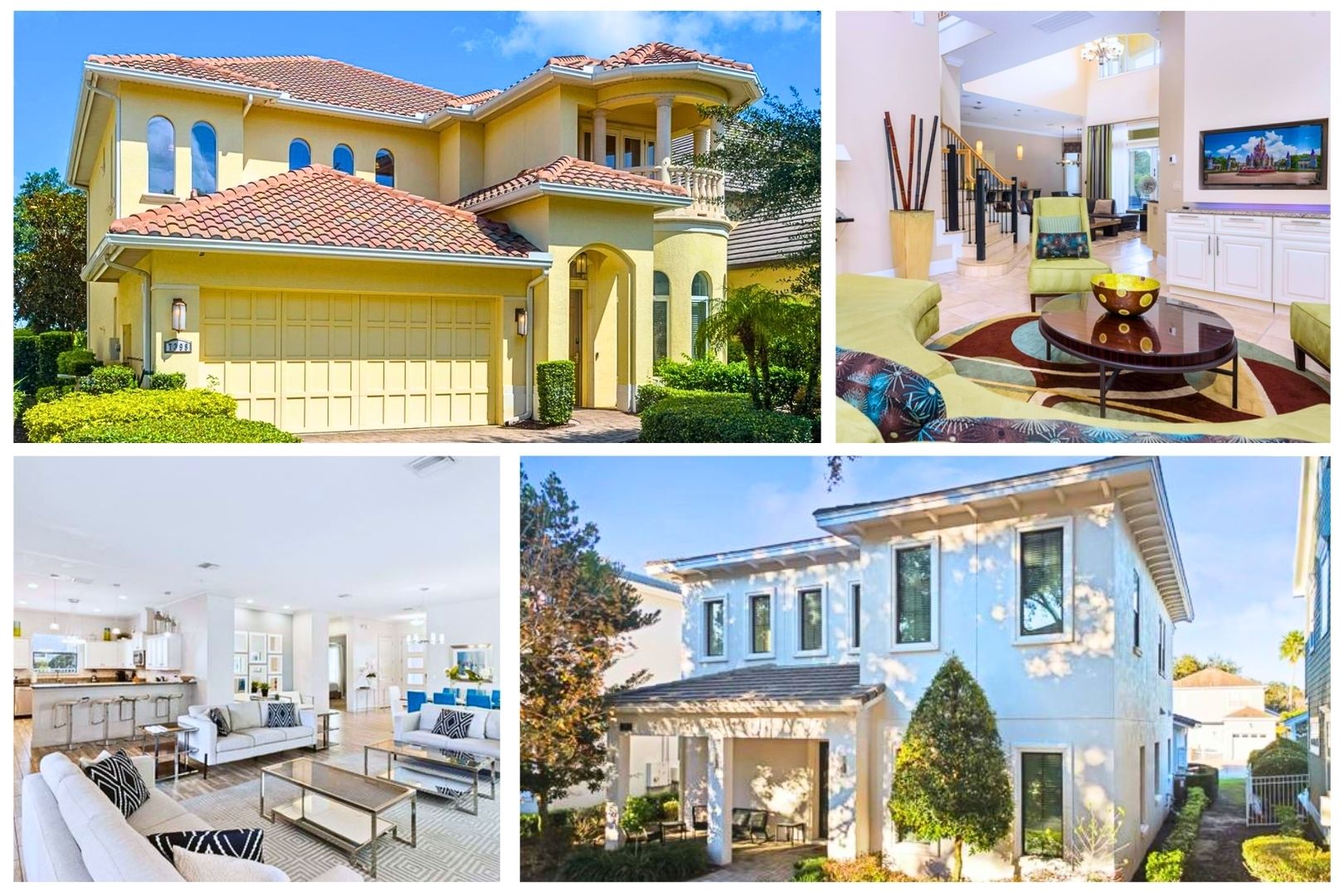

Not all Reunion properties perform equally as short-term rentals, and understanding what drives performance is essential before purchasing. Several factors consistently separate top-performing properties from average ones:
- Bedroom count and home size — larger homes with six to nine bedrooms and private pools attract higher nightly rates and multi-family bookings
- Interior quality — professionally designed and themed homes with updated finishes and high-quality photography generate measurably better listing performance on Airbnb and VRBO
- Management company selection — dynamic pricing, review management, and between-stay maintenance can be the difference between strong and mediocre performance on paper-identical homes
- Seasonality — peak demand clusters around major Disney events, spring break, summer family travel, and the winter holiday window
Realistic STR Income Ranges to Understand
STR income at Reunion varies significantly by property type, quality, and management strategy — any responsible discussion of income potential has to lead with that honesty.
According to short-term rental market analytics platforms, occupancy rates for professionally managed properties in the Kissimmee and Osceola County area have ranged from approximately 55 to 65 percent, with average daily rates for larger vacation homes ranging from roughly $250 to $550-plus per night depending on size and season.
A well-managed, professionally decorated five-bedroom home with a private pool can generate gross annual rental revenue in the range of $80,000 to $150,000 or more. But gross revenue is not net income. Platform fees, management commissions, maintenance reserves, and operating costs come directly off those gross figures.
When evaluating any specific property, request actual documented rental performance data — revenue and occupancy records from prior years — rather than relying on projected income figures. If a property has been operating as an STR, that data exists and should be a required part of the due diligence package.
Pro Tip: Ask the seller or listing agent for at least two full calendar years of gross revenue, occupancy rate, and management fee documentation. A single strong year could reflect post-pandemic anomalies — multi-year data tells the real story.
The True Cost of Ownership — Breaking Down What Buyers Pay
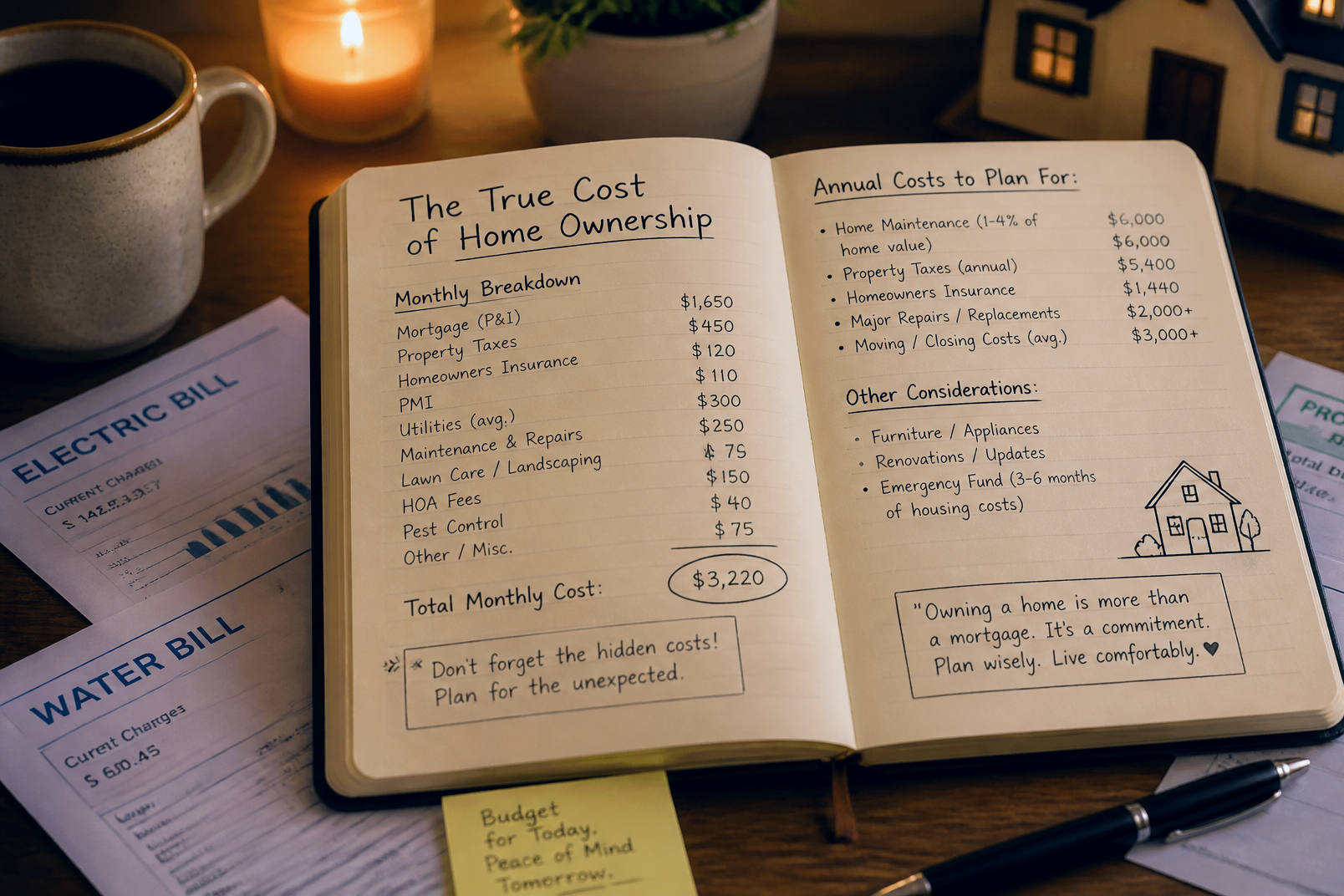

Purchase Price Ranges Across Property Types
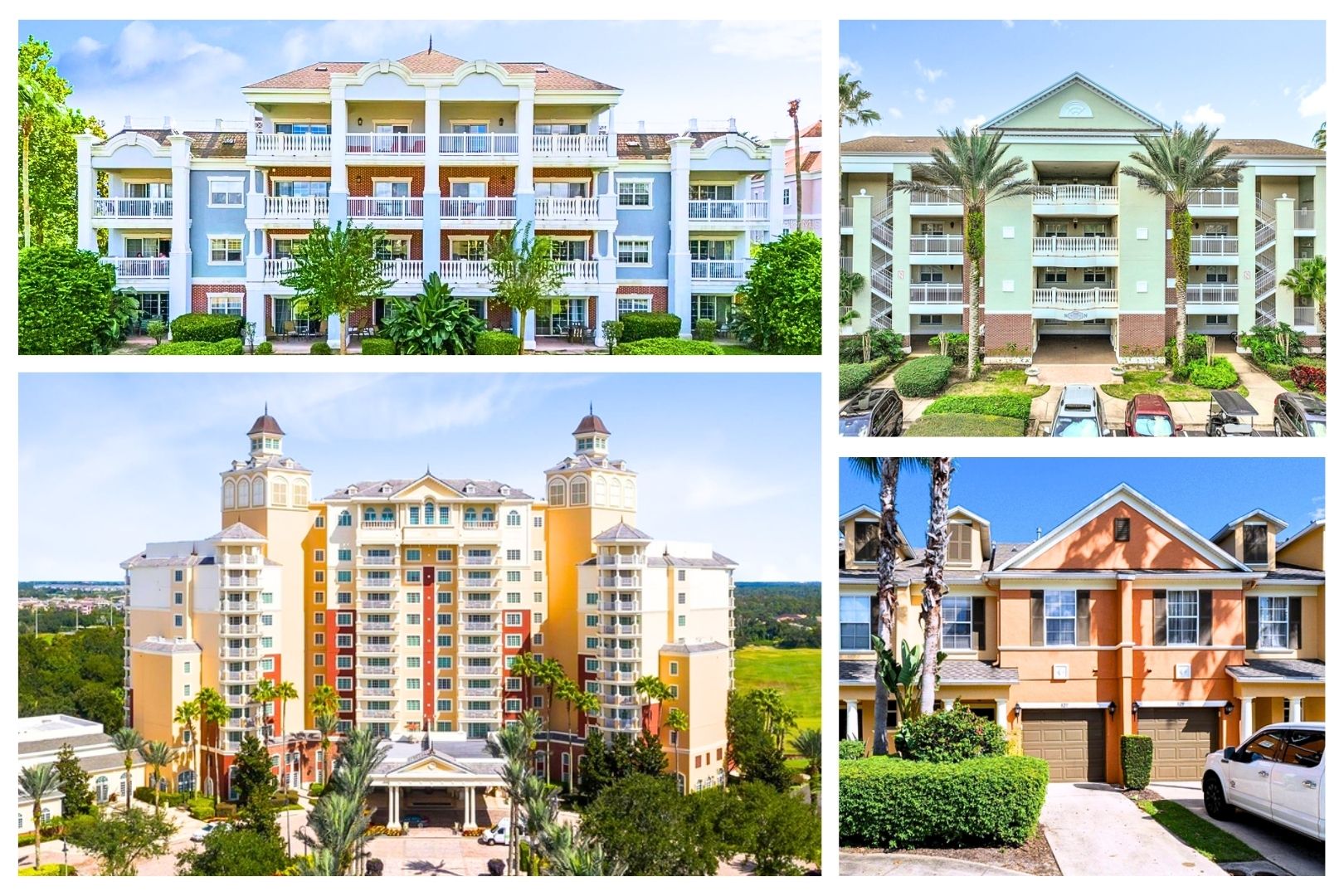
Reunion’s price spectrum is genuinely wide. Here’s a general breakdown of what buyers can expect across property types:
| Property Type | Typical Price Range |
|---|---|
| Attached townhomes / smaller condos | Mid-$300,000s to $400,000s |
| Single-family pool homes | $500,000s to $900,000s |
| Luxury estate homes | $1.5M to $2.5M+ |
| Median listing price (community-wide) | Approximately $600,000–$700,000 |
That resort premium is partly justified by the income-generating potential that comes with it — but only if the cost structure underneath it works in your favor.
HOA Fees at Reunion — What They Cover and What They Don’t


HOA fee structure at Reunion is layered, and this is one of the most common points of confusion for buyers. The community has a master HOA covering community-wide expenses — gated security, common area maintenance, and in many cases access to the resort amenity package — alongside sub-association fees specific to the village or neighborhood where your property sits.
When combining master and sub-association fees, total monthly HOA obligations typically range from roughly $500 to over $1,000 per month depending on the specific property and village. Some sub-associations cover exterior landscaping and neighborhood pool maintenance; others are more limited in scope.
“What are the HOA fees?” is an incomplete question at Reunion. You need to ask for the fee schedule at every applicable association level — and understand exactly what you’re paying for before budgeting.
CDD Fees — A Critical Line Item for Reunion Buyers
If there is a single cost that surprises out-of-state and first-time Reunion buyers most consistently, it is the Community Development District (CDD) fee. A CDD is a special-purpose local government entity used in Florida to finance community infrastructure — roads, utilities, amenities, and common areas. The infrastructure bonds are repaid through annual assessments levied against each parcel.
The crucial detail: CDD fees do not appear in your HOA billing. They appear as a line item on your annual Osceola County property tax bill, making them easy to overlook during the purchase process if you’re not specifically looking for them.
CDD fees at Reunion vary by parcel and can range from roughly $1,500 to over $4,000 per year depending on the specific lot, its size, and the applicable CDD district.
For every property you seriously consider, request the current CDD assessment from the Osceola County Property Appraiser’s office or the CDD directly, and build that number explicitly into your carrying cost calculations from the very beginning.
Property Taxes, Insurance, and Other Carrying Costs
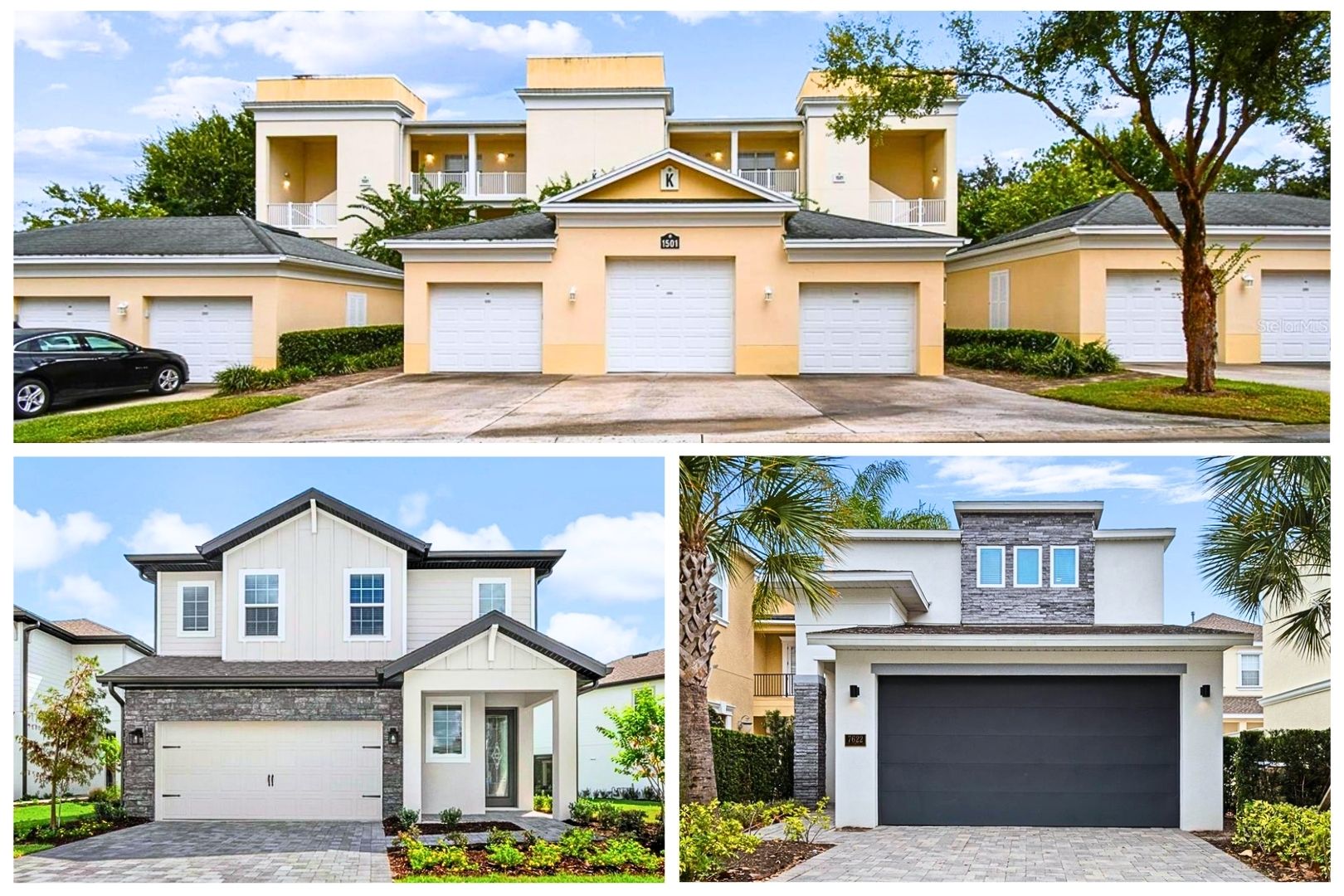

Osceola County’s property tax millage rate runs approximately 13 to 15 mills depending on the specific taxing districts applicable to your parcel — meaning roughly $13 to $15 per $1,000 of assessed value. For a home assessed at $600,000, annual property taxes before exemptions would fall in the range of approximately $7,800 to $9,000.
Investment and vacation home properties do not qualify for Florida’s Homestead Exemption. There is no assessed value increase cap and no exemption reduction — the full assessed value is taxed each year.
Florida’s homeowner’s insurance market has experienced significant rate pressure in recent years. Key insurance realities to plan for:
- Statewide average annual premiums have ranged from approximately $5,000 to $8,000 or more depending on property characteristics — well above the national average
- Vacation and investment properties frequently carry additional premium load or require specialty landlord and vacation rental policies
- Utility costs for a pool home used as an active vacation rental can run $300 to $500 or more per month during peak seasons
Obtain insurance quotes early in the process — before assuming a number in your projections.
STR Management and Operating Costs
Gross rental revenue and net rental income are separated by a meaningful list of operating costs. Professional property management companies typically charge 20 to 30 percent of gross rental revenue — often the largest operating expense after debt service.
On top of that, owners should budget for the following ongoing expenses:
- Maintenance reserve of roughly 5 to 10 percent of revenue for a high-turnover rental home
- Linen and supply restocking
- Pool and lawn maintenance contracts
- Periodic capital repairs — appliances, HVAC, pool equipment, and furniture all cycle faster in an active vacation rental than in an owner-occupied home
Rental income is taxable and carries its own compliance requirements — particularly for out-of-state owners unfamiliar with Florida’s vacation rental tax obligations. Annual accounting and tax preparation should be factored into the operating budget from the start. Osceola County also has vacation rental licensing requirements that owners must satisfy before operating legally.
Pro Tip: Build your investment model using net income, not gross. Take the projected gross revenue, subtract management fees (25%), maintenance reserve (7%), supplies, pool and lawn maintenance, and insurance — what remains is your actual return to evaluate against purchase price and carrying costs.
Is Buying at Reunion FL the Right Move for You?
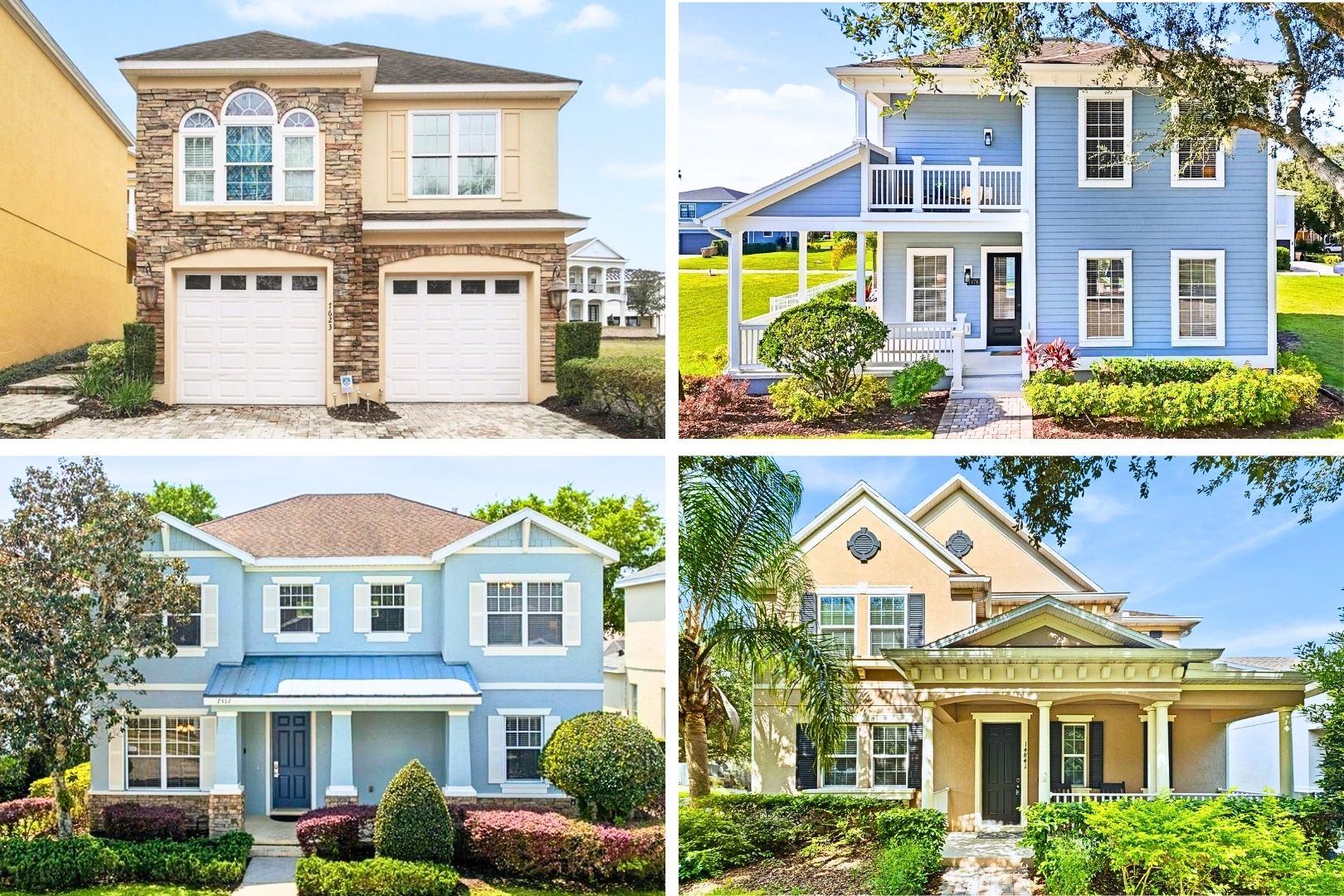
The Buyer Profiles That Tend to Thrive at Reunion
Reunion works exceptionally well for certain buyer profiles. The vacation homeowner who wants premium resort amenities and hassle-free Disney access for annual family trips — and is comfortable renting the property the rest of the year to offset costs — tends to have an excellent experience. The investment-first buyer who treats the home primarily as an income-generating asset, prioritizes professional management, and selects the property based on STR metrics rather than personal taste tends to do well when the cost homework has been done thoroughly.
The hybrid owner-investor who uses the property for four to eight weeks annually and rents the balance is perhaps the most common Reunion buyer profile — and it can work well when purchase price and carrying costs are properly structured.
The buyer profile that struggles at Reunion is typically the one who underestimates total carrying costs and builds an investment thesis on optimistic gross revenue projections without stress-testing the net numbers. The layered fee structure — HOA, CDD, taxes, insurance, management — adds up to a meaningful monthly commitment that has to be absorbed even during lower-occupancy months.
Questions to Ask Before You Make an Offer
Before submitting an offer on any Reunion property, make sure you can answer the following questions:
- What are the total monthly carrying costs, combining mortgage, all HOA fees, CDD, insurance, management, utilities, and maintenance reserves?
- What is the property’s documented rental history, including actual revenue and occupancy records — not projections?
- Is the property in good standing with the HOA, with no violations or pending assessments?
- What capital improvements are needed in the next one to three years?
- Is there an existing rental management relationship, and is it one you would retain?
The answers to these questions determine whether the numbers actually work.
What the Reunion Market Looks Like Right Now
Reunion has maintained consistent buyer interest driven by its Disney proximity and established STR ecosystem. As of early 2025, the picture looks like this:
| Market Indicator | Current Range / Status |
|---|---|
| Active listings (34747 zip code) | Approximately 400–500+ |
| Average days on market | Roughly 60–75 days |
| Price per square foot | Approximately $220–$260 (varies by village and property type) |
| Market conditions | More balanced — buyers have more negotiating room than the 2020–2022 peak |
For buyers, the current environment tends to offer more selection and more leverage than the prior few years. That’s a meaningful shift from the compressed conditions that defined the pandemic-era market.
FAQ — Buying a Home in Reunion FL

Can I rent my Reunion FL home on Airbnb or VRBO?
Yes — Reunion Resort has historically been one of Central Florida’s most STR-friendly master-planned communities, and short-term rental use is a core part of how the community was designed and functions. Buyers should verify current rental regulations and any sub-association rules specific to the village where their property is located before purchasing, as policies can vary. Osceola County has its own vacation rental licensing requirements that owners must satisfy before operating legally.
What are the HOA fees at Reunion Resort, FL?
HOA fees at Reunion are layered: there is a master community HOA plus sub-association fees that vary by village and property type. Combined monthly costs typically range from several hundred dollars to well over $1,000 per month depending on the specific property. The only accurate answer is the one confirmed for the exact property you are purchasing — always request the complete fee schedule for every applicable association level before making an offer.
What is a CDD fee and how does it affect my costs at Reunion?
A CDD fee is an annual assessment tied to your parcel — not your HOA — used to repay the bonds that financed Reunion’s infrastructure. It appears as a line item on your annual Osceola County property tax bill. CDD fees at Reunion vary by parcel and can range from approximately $1,500 to over $4,000 per year. This is one of the most frequently overlooked costs by first-time Reunion buyers, particularly those from states where CDDs are uncommon. Always request the specific CDD assessment for any property you are seriously considering.
How much can I make from renting my Reunion home as a vacation rental?
Income potential varies significantly based on property size, quality, management company, and seasonality. Larger, professionally decorated homes with private pools in well-located villages can generate $80,000 to $150,000 or more in gross annual rental revenue — but those are gross figures, not net income. After management fees, maintenance, supplies, and operating costs, net income is meaningfully lower. Always review actual documented historical performance data for any specific property rather than relying on projected income estimates.
Is Reunion FL a good real estate investment?
Reunion offers a genuinely compelling set of demand drivers: Disney proximity, resort-grade amenities, an established STR market, and a gated infrastructure that vacation renters actively seek out. Those fundamentals are real and durable. The flip side is that carrying costs — layered HOA fees, CDD assessments, property taxes without the Homestead Exemption benefit, elevated Florida insurance premiums, and management costs — are more complex than a standard residential investment. Reunion is a strong investment for buyers who go in with clear eyes on total costs and realistic income expectations.
What types of homes are available in Reunion Resort, FL?
Reunion offers one of the widest property type ranges of any single community in Central Florida. Buyers can find attached townhomes, stand-alone single-family pool homes, and sprawling luxury estate properties ranging from three bedrooms to nine or more. Smaller attached units represent the entry-level price point starting in the mid-$300,000s, while custom estate homes in premier villages represent the top of the market at $1.5 million and above. The right property type depends on your goals — lifestyle use, pure investment, or a hybrid of both.
Conclusion

Reunion, FL is one of the few communities in Central Florida where personal use and income-generating potential are both credibly supported by the same asset. Championship golf, resort amenities, Disney proximity, and an established short-term rental market make it an opportunity that few communities in Central Florida can credibly match.
What separates a rewarding ownership experience from a frustrating one is almost always the same thing: going in with a complete, honest picture of what ownership actually costs. The layered HOA structure, CDD fees, insurance, and management expenses are all manageable — when you understand them from the start.
Buyers who take the time to stress-test the total carrying costs, review actual STR performance data, and clarify every fee associated with their specific property consistently find Reunion to be exactly what it promises: a place where living well and investing wisely aren’t mutually exclusive. If you’re thinking about buying a home in Reunion, FL and want personalized guidance through every step of the process, reach out to us today — we’d love to help.