
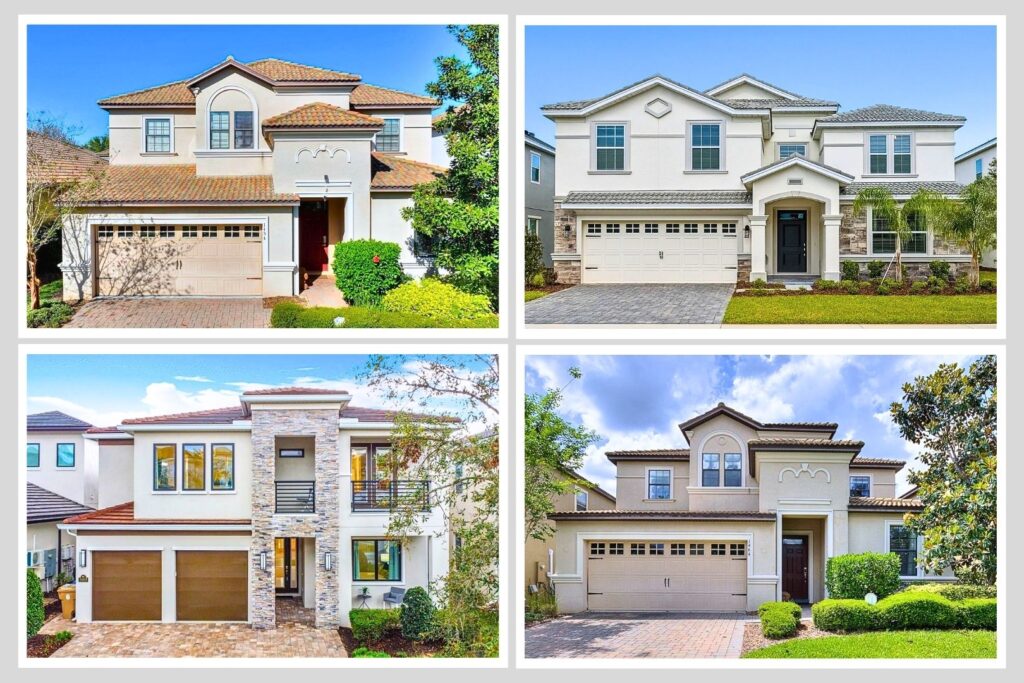
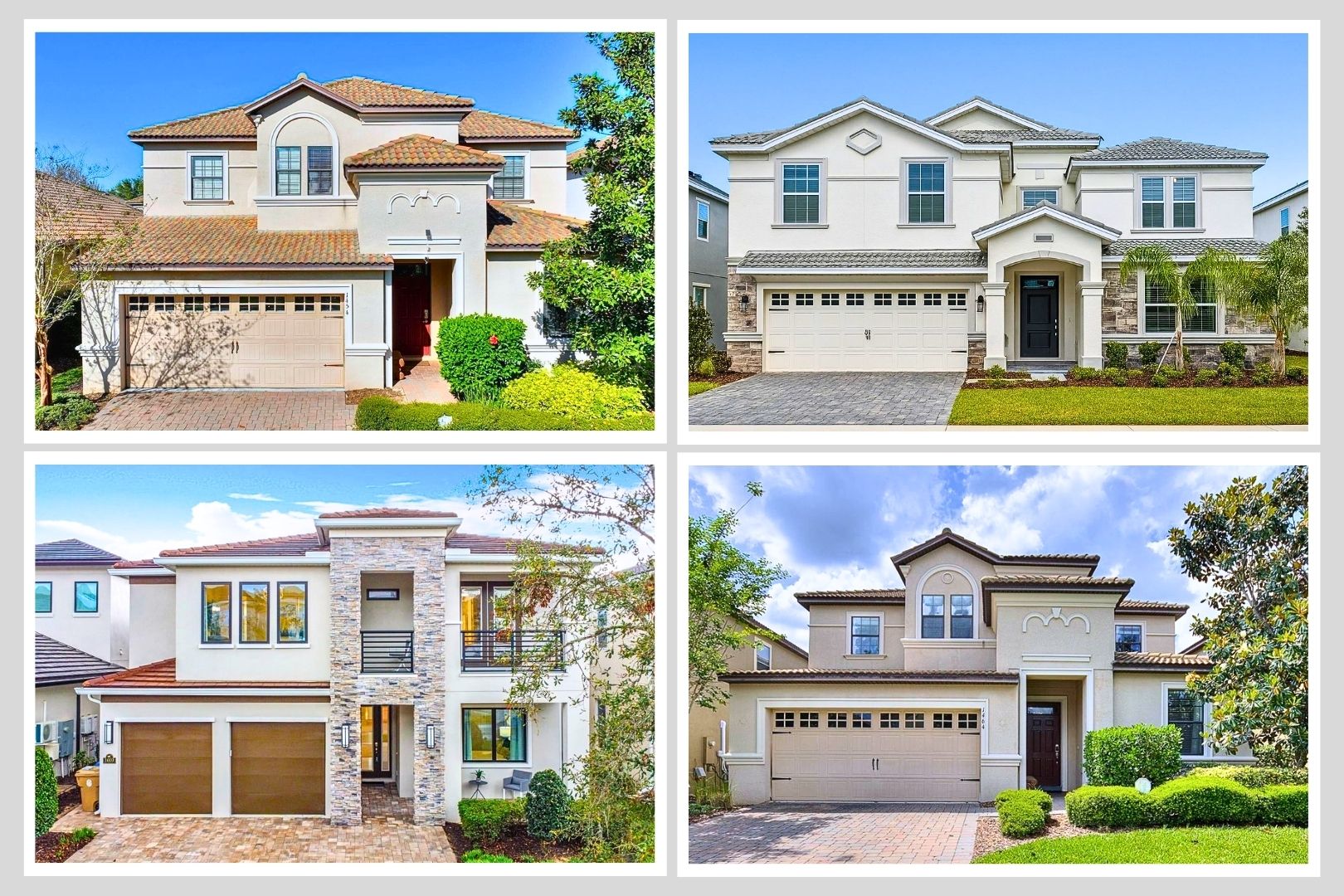

Champions Gate has earned a genuine reputation as one of Central Florida’s most discussed vacation property markets — and that reputation isn’t accidental. There’s a meaningful gap, though, between the way this community gets talked about in online forums and listing descriptions and what buyers actually encounter when they start doing serious due diligence.
This guide is designed to close that gap. If you’re evaluating Champions Gate as a short-term rental investment, a second home with income potential, or both, what follows is the kind of honest, grounded picture a knowledgeable advisor would give you over coffee — not a brochure.
What Champions Gate Actually Is — And Why It Attracts So Much Investor Attention
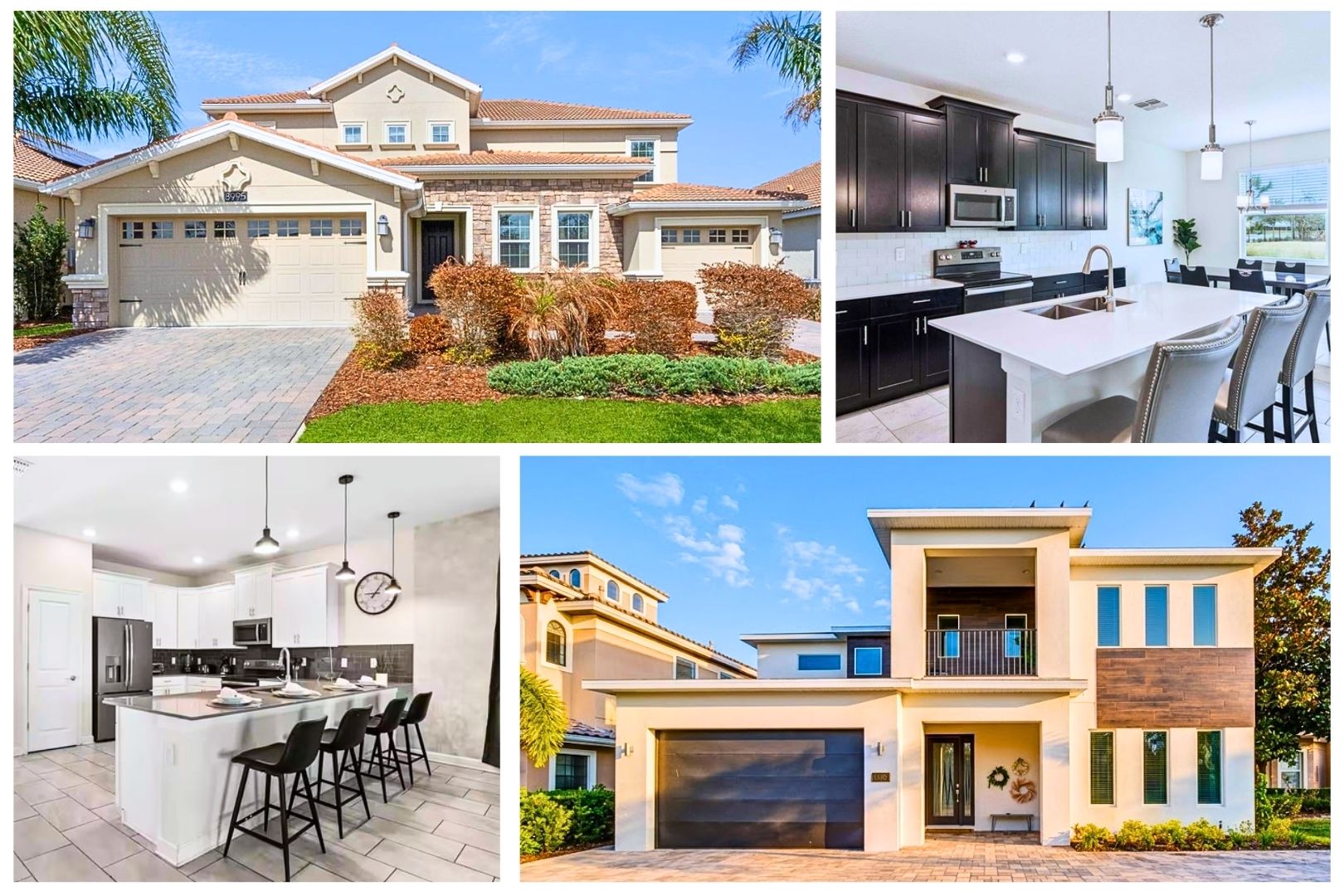

Location, Access, and Disney Proximity
Champions Gate is a master-planned resort and residential community situated along Champions Gate Boulevard, just off US-192 in Osceola County, with direct access to Interstate 4. Geographically, it sits approximately 10 to 15 miles from Walt Disney World’s main entrance — drive times vary with traffic and can range from roughly 15 minutes under light conditions to considerably longer during peak travel periods.
Universal Orlando Resort and SeaWorld Orlando are approximately 30 to 40 minutes away. Orlando International Airport runs about the same distance depending on conditions. That combination of highway access and Disney proximity is the single biggest driver of guest demand for short-term rental properties in this corridor.
One honest note for investors: I-4 has undergone ongoing construction and lane reconfiguration projects in recent years. Guests unfamiliar with Central Florida traffic patterns may experience longer commutes during peak travel periods. Setting accurate expectations in your STR listing — rather than marketing the best-case drive time — will serve you better in the long run with guest reviews.
The surrounding area also includes the Omni ChampionsGate Resort, the Poseidon Spa, Reunion Resort, and the broader Osceola County tourism infrastructure that makes this corridor a genuine destination, not just a highway stop.
How Champions Gate Is Structured — Resort Zones vs. Residential Zones
This is the piece of context most often missing from surface-level coverage of Champions Gate — and it’s critical for any serious buyer to understand before making an offer. Champions Gate is not a single uniform community. It contains resort-designated neighborhoods where short-term rental activity is expected, HOA-permitted, and the entire infrastructure is built around guest turnover. It also contains residentially oriented sections where STR restrictions may apply, and commercial zones anchored around the Champions Gate Town Center corridor along US-192.
Within Champions Gate, neighborhoods commonly associated with active STR use include:
- Stoneybrook South
- The Retreat at Champions Gate
- Vistas at Championsgate
Each carries its own HOA documents, its own amenity access structure, and its own specific rules around rental activity. The zoning and HOA designation of the specific neighborhood — and in some cases the specific street — determines whether you can legally list on Airbnb or Vrbo, how many days you can rent, and what restrictions apply to personal owner use.
This is one of the most common and consequential points of confusion among buyers researching this market remotely. It cannot be resolved by looking at a listing sheet.
The STR Investor’s Honest Breakdown
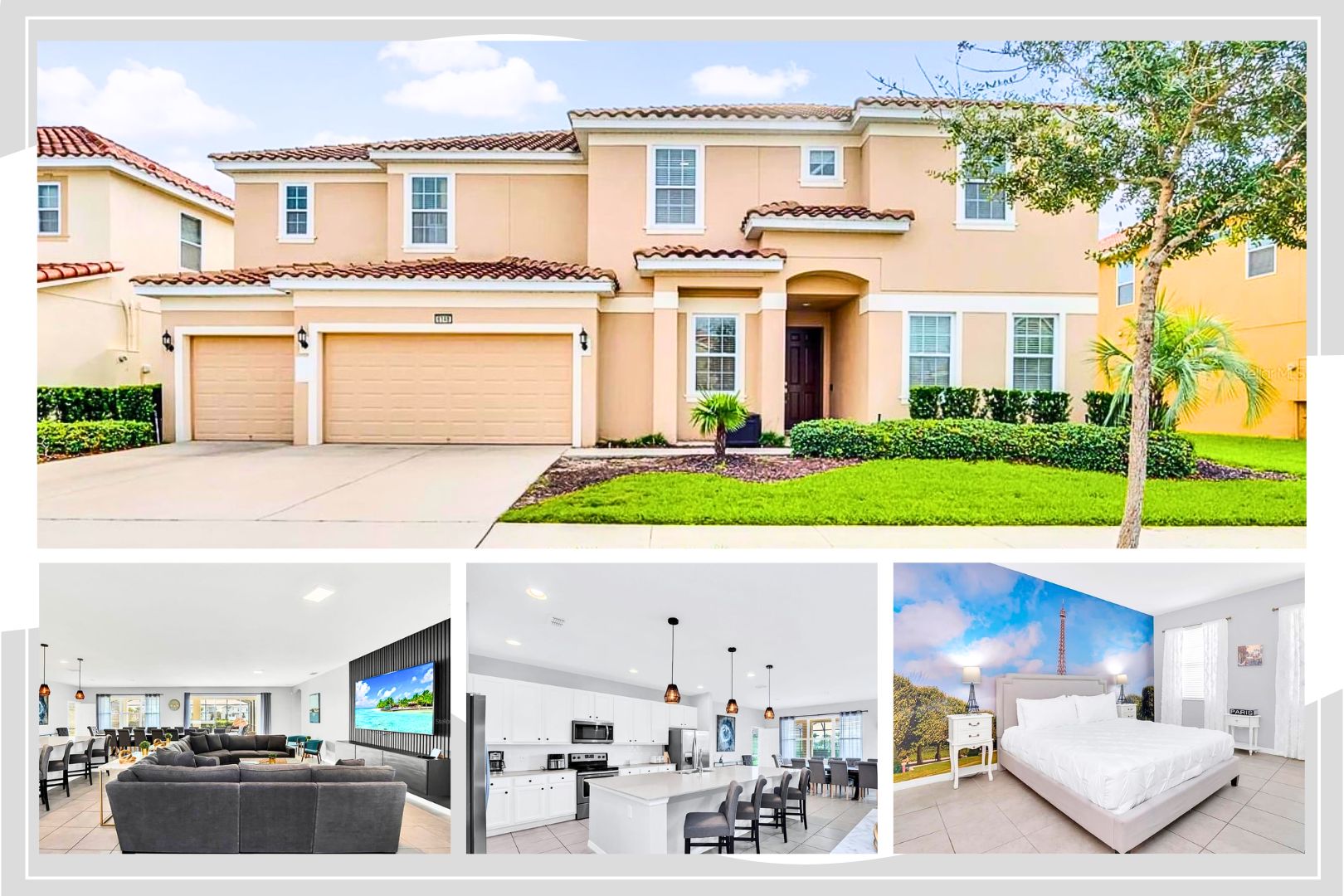

Realistic Rental Income Expectations
Champions Gate’s vacation home inventory skews toward larger properties — four-, six-, and eight-bedroom homes designed to accommodate extended family groups, multi-family vacation clusters, and youth sports travel parties. Industry data tools tracking the Kissimmee and Champions Gate submarket estimate gross annual revenue in the following ranges:
| Bedroom Count | Estimated Gross Annual Revenue |
|---|---|
| 4-Bedroom | $45,000 – $65,000 |
| 6-Bedroom | $65,000 – $95,000 |
| 8-Bedroom | $90,000 – $130,000+ |
These figures are estimates from third-party data platforms whose submarket data changes frequently and is not publicly verifiable without a current subscription. Confirm them with an up-to-date market report or a local property manager before letting them inform any investment decision. And in all cases, these are gross figures — that distinction matters enormously.
Pro Tip: Always model STR income conservatively. Use the lower end of gross revenue estimates, then subtract management fees, HOA costs, taxes, and maintenance before evaluating whether a property pencils out.
After applying a professional property management fee — typically 20 to 30 percent of gross revenue for full-service managers operating in the Osceola County vacation corridor — the income picture looks materially different. Add HOA fees, utilities, pool and lawn maintenance, insurance, restocking costs, and property taxes, and the gap between gross revenue and actual return becomes substantial.
A 25 percent management fee on a property generating $80,000 gross annual revenue is $20,000 off the top before any other expense is paid.

Osceola County requires STR operators to collect and remit a Tourist Development Tax of 6 percent, which combined with Florida’s state sales tax of 6 percent results in a combined rate of approximately 12 percent on gross rental revenue. Verify the current rate with the Osceola County Tax Collector, as rates can change. This is a compliance cost — not optional — and it must be built into your model.
Seasonal demand follows Disney World’s calendar closely. Peak periods include:
- Summer (mid-June through mid-August)
- Spring break (March through April)
- Thanksgiving week
- The Christmas through New Year’s stretch
January and February are the market’s genuine slow periods outside of holiday weekends — a reality that aggressive revenue projections sometimes skip over. Well-managed properties in Osceola County’s STR submarket have historically maintained average annual occupancy rates in the range of 55 to 68 percent, per industry data estimates that should be confirmed with current sourcing before use in financial modeling.
Top-performing listings with strong reviews and professional pricing management tend toward the higher end of that range — 68 percent or above. Underperforming or self-managed properties can fall well below 50 percent.
What HOA Rules Actually Say About Airbnb and Vrbo


This is the most legally consequential section of this guide. HOA documents — specifically the Declaration of Covenants, Conditions, and Restrictions (CC&Rs) — govern STR permissions at the community level. These documents vary by sub-neighborhood even within Champions Gate, and they control things most buyers don’t think to ask about until after they’ve made an offer.
Key questions that must be answered before closing:
- Does this specific community permit short-term rentals?
- Is there a minimum rental duration?
- Are there guest registration requirements?
- Is there a cap on rental days per year?
- Does this HOA restrict owner-occupancy — meaning limits on how many nights per year you personally can use the home?
Some resort-zone HOAs impose owner-use restrictions specifically to maintain the community’s STR character. Purchasing without having an attorney review the governing documents is one of the most avoidable and costly mistakes in this market.
On the county side, Osceola County requires STR operators to obtain a Tourist Development Tax registration and a business tax receipt from the Osceola County Tax Collector before the first guest checks in. The Florida Department of Business and Professional Regulation (DBPR) also maintains state-level vacation rental licensing requirements. Operating without proper registration creates legal and financial exposure that no rental income justifies.
Property Management — Going It Alone vs. Hiring Local
The Champions Gate and broader Osceola County area has a well-developed vacation property management ecosystem. Professional management firms operating in this corridor typically handle turnover cleaning coordination, maintenance dispatch, dynamic pricing, and guest communication.
Self-management is feasible for Florida-based owners or those who can travel to the property regularly, but it is operationally demanding. Guest communications, emergency maintenance calls, and turnover coordination don’t pause for weekends or holidays. Out-of-state investors who self-manage without a reliable local contact frequently encounter problems that a professional manager would have absorbed — and those problems show up in guest reviews, which directly affect future occupancy.
Pro Tip: Interview at least two to three local property management companies before closing on any Champions Gate STR. Ask for verified occupancy data on comparable properties they currently manage — not projected figures.
The Second-Home Buyer’s Honest Breakdown

What It’s Like to Actually Own and Use a Home in Champions Gate
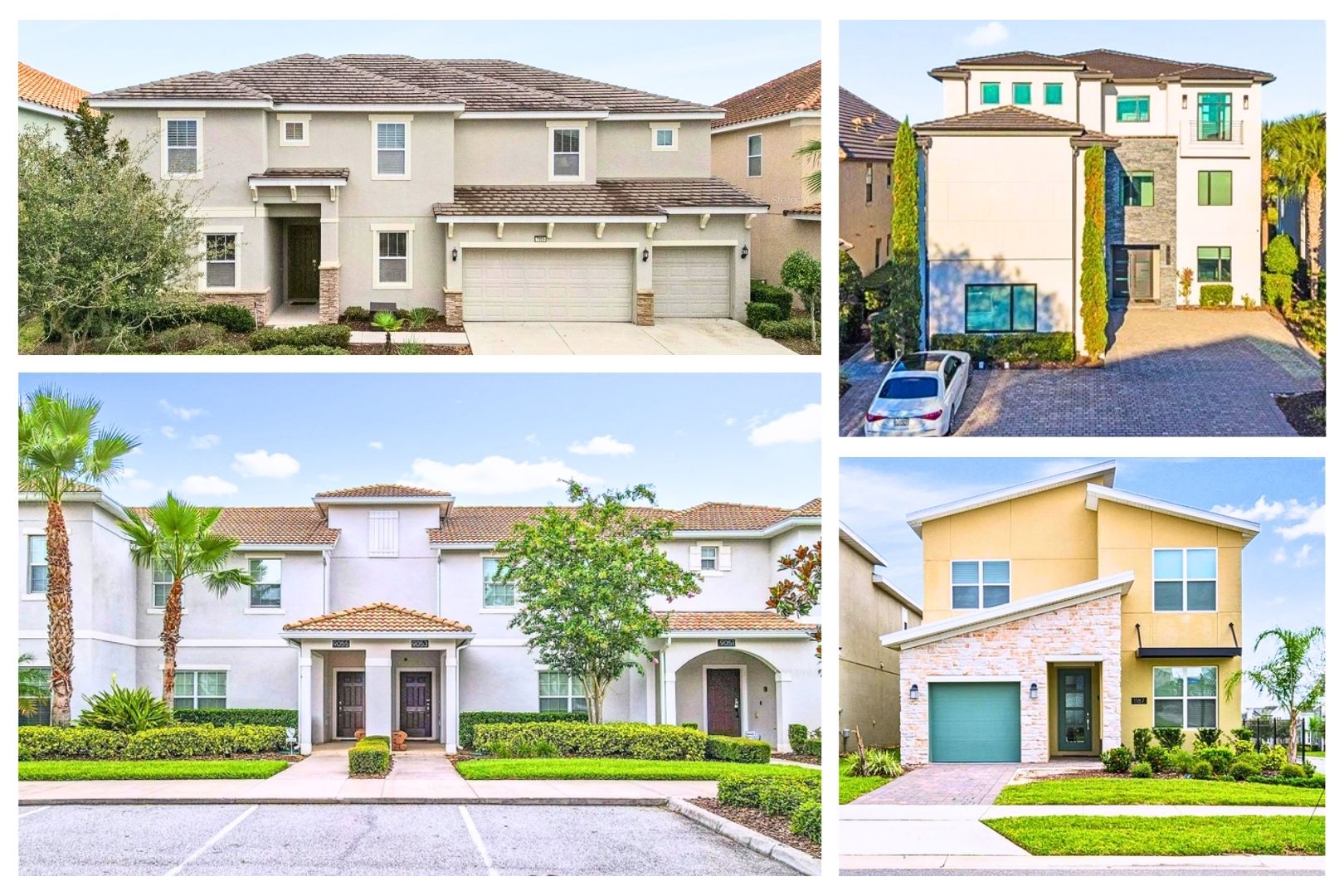
The resort-style amenity packages available in Champions Gate communities are genuinely competitive with what you’d find at a high-end hotel. Depending on the specific community, owners and guests have access to clubhouses, resort-style pools, lazy rivers, waterslides, fitness centers, and on-site dining. The Oasis Club, associated with certain Champions Gate neighborhoods, is one of the more well-known amenity anchors in the community.
Golf is a significant part of the Champions Gate identity. The community is built around two Greg Norman-designed courses — the National Course and the International Course — operated as part of the Omni ChampionsGate Resort. Green fees typically range from $80 to $150 or more per round depending on season and time of day. For second-home buyers who golf, this is a genuine lifestyle amenity that also functions as a meaningful draw for STR guests.
Here is the honest part of this picture: resort-zone neighborhoods in Champions Gate are designed for guest turnover. The community feel is fundamentally different from a traditional residential neighborhood. Your neighbors are frequently rotating guests, not permanent residents. Buyers who don’t understand this before purchasing often find it disorienting after the fact.
Owning a vacation home that also functions as a rental business requires practical scheduling decisions. Personal use windows need to be coordinated with your property manager, and the weeks that generate your highest rental income are often the same weeks you’d most want to visit.
Champions Gate for Families — Schools, Everyday Life, and the Surrounding Area

For most Champions Gate second-home buyers, school enrollment is not a primary concern — resort-zone neighborhoods are not oriented toward families with children attending local schools. For context, the area falls under the Osceola County School District, which serves approximately 75,000 students countywide. Schools serving the broader southwest Osceola corridor include Westside K-8 School and, for older students, Celebration High School. School zoning varies by specific address and should be confirmed directly with the Osceola County School District for any property under consideration.
Everyday conveniences are well-covered in the surrounding area. Publix and Walmart locations serve the US-192 corridor near Champions Gate, and the Champions Gate Town Center provides dining and retail options in close proximity. The communities of Poinciana and Davenport offer additional services within a short drive.
For healthcare, AdventHealth Celebration — a full-service hospital — is approximately 10 to 15 minutes from Champions Gate. Osceola Regional Medical Center in Kissimmee provides regional medical services, and urgent care options are also available along the US-192 corridor. That last point is a practical consideration for vacation rental operators whose guests may need medical attention during their stay.
Appreciation, Resale, and Long-Term Value Considerations
Median home prices in the Champions Gate area (34747 ZIP code) were approximately $390,000 to $440,000 on a sold-price basis through late 2024 into early 2025, based on Osceola County deed records and property appraiser sales data. Year-over-year changes reflect relatively flat to slight decline from the 2021–2022 peak. The market has normalized from pandemic-era activity, and buyers entering now are doing so at more measured valuations.
The honest caveat on long-term appreciation: vacation-zoned resort properties are more sensitive to economic downturns and tourism disruptions than primary-residence markets. The COVID-19 period illustrated this clearly — STR markets dependent on theme park visitation experienced sharp revenue contractions before recovering.
That said, Osceola County’s broader fundamentals are supportive. The county’s population has grown to approximately 390,000 to 405,000 residents per U.S. Census Bureau estimates through 2023, representing meaningful growth from the 2020 Census baseline of approximately 375,000.
The broader Orlando area welcomes over 70 million visitors annually, with Osceola County capturing a substantial share of that traffic through Walt Disney World and surrounding attractions. That long-term demand foundation is real.
The Real Costs Buyers Underestimate


HOA Fees, Furnishings, and Insurance
HOA fees in resort communities within Champions Gate vary by neighborhood and can be substantial. Some HOA fee structures include amenity access, exterior maintenance, and common area upkeep; others do not. Two homes listed at the same price with different HOA fee structures can have materially different actual carrying costs — buyers must itemize exactly what is and is not covered for the specific community they’re evaluating.
Furniture and setup costs are a startup expense that first-time vacation rental investors consistently underestimate.
A six-bedroom home set up for competitive listing can require $30,000 to $60,000 in furnishings, décor, kitchenware, linens, and entertainment equipment — a capital outlay that must be modeled before purchase, not absorbed as a surprise after closing.
Florida’s property insurance market has experienced significant rate increases in recent years, and short-term rental properties require a specific insurance product distinct from a standard homeowners policy. Average annual premiums in Florida have been running approximately $4,000 to $8,000 or more for standard single-family coverage — well above the national average of roughly $1,900 to $2,100 — and STR-specific policies can run 15 to 30 percent higher than standard rates for comparable structures. Obtain actual insurance quotes before closing, not estimates.
Property Taxes and Maintenance Reserves
Property taxes are a fixed annual carrying cost that investors often underestimate. On a $450,000 assessed value, annual property taxes for a non-homesteaded vacation or investment property in unincorporated Osceola County can run approximately $6,300 to $7,200 or more per year, based on the county’s millage rate structure. Verify the current rate with the Osceola County Property Appraiser, as millage rates and district overlays can affect the final figure.
Investment and vacation properties do not qualify for Florida’s homestead exemption — a meaningful difference from primary-residence tax treatment in many buyers’ home states. Finally, maintenance reserves should be funded from the beginning. HVAC systems, pool equipment, appliances, and general interior wear turn over faster in vacation properties than in primary residences due to the intensity of guest usage across 40 to 50 rental parties per year.
Champions Gate vs. Staying on the Sidelines — Making the Decision

Champions Gate is a genuinely strong market for STR investors who buy in correctly-zoned communities, model the full cost structure carefully, work with experienced local professionals, and hold a medium-to-long investment horizon. The Disney proximity, the purpose-built resort infrastructure, and the scale of Osceola County’s visitor economy create a durable demand foundation that has supported this market through multiple cycles.
The community is also a genuinely rewarding second-home purchase for buyers who understand the resort dynamic, are comfortable balancing personal use with rental income, and approach the scheduling and operational dimensions of vacation property ownership with flexibility and realistic expectations. The amenities, the golf, and the proximity to Walt Disney World and the broader Orlando attraction ecosystem are real, meaningful quality-of-life benefits that many owners find worth every dollar of carrying cost.
It is the wrong fit for buyers who want a quiet, neighborhood-feel Florida vacation home with permanent-resident neighbors. It’s also the wrong fit for buyers who need very high net yields from year one without adequate capital reserves, or for those who aren’t prepared to engage seriously with HOA document review, county licensing requirements, and the ongoing operational realities of vacation property ownership.
The most consistent characteristic of successful Champions Gate buyers isn’t enthusiasm — it’s preparation.
Frequently Asked Questions About Champions Gate Investment Properties


Can you legally run an Airbnb or Vrbo in Champions Gate, Kissimmee?
Yes, in many of Champions Gate’s resort-designated communities, short-term rental activity is HOA-permitted and consistent with how these neighborhoods were designed. However, not every home or street within Champions Gate carries this designation. Buyers must verify the specific community’s CC&Rs and obtain the appropriate Osceola County Tourist Development Tax registration and business tax receipt before listing any property. Assumptions are not a substitute for document review.
What kind of rental income can a Champions Gate vacation home realistically generate?
Income varies widely by bedroom count, home condition, management quality, pricing strategy, and season. Industry data tools suggest gross annual revenue benchmarks of approximately $45,000 to $65,000 for four-bedroom homes, $65,000 to $95,000 for six-bedroom homes, and $90,000 to $130,000 or more for eight-bedroom properties — but these are gross estimates that should be confirmed with a current data report or a local property manager before use in financial modeling. They reflect figures before management fees, HOA fees, insurance, taxes, utilities, and maintenance. Conservative modeling against verified comparable occupancy data for the specific community is the appropriate foundation for any investment decision.
Are there Champions Gate communities where owners can use the home freely without restrictions?
HOA rules vary by community. Some resort-zone HOAs impose limits on owner-occupancy days per year to preserve the community’s short-term rental character; others are considerably more flexible. This is a specific due diligence question that must be answered by reviewing the governing CC&Rs for the exact community before making an offer — not after. An experienced local real estate attorney can help you interpret the language accurately.
How far is Champions Gate from Walt Disney World and the main Orlando attractions?
Champions Gate sits approximately 10 to 15 miles from Walt Disney World’s main entrance, with drive times varying based on traffic — roughly 15 minutes under light conditions, and potentially longer during peak travel periods. Universal Orlando Resort and SeaWorld Orlando are approximately 30 to 40 minutes away. Orlando International Airport is approximately 30 to 40 minutes depending on traffic. This proximity is a primary driver of guest demand and a genuine competitive advantage over more distant Osceola County alternatives.
What are the ongoing costs of owning a vacation home in Champions Gate?
Beyond the mortgage, owners should budget for HOA fees, property management fees if using a management company, Florida short-term rental insurance, utilities, pool and lawn maintenance, property taxes (with no homestead exemption available for investment or vacation properties), Osceola County Tourist Development Tax compliance, and a reserve fund for appliance and equipment replacement. First-time vacation property buyers consistently underestimate total cost of ownership — particularly the startup cost of furnishing a property to resort-quality standards.
Is Champions Gate a good long-term investment or just a short-term play?
The community has demonstrated meaningful resilience as a tourism-driven market, anchored by Disney World and the broader Orlando attraction ecosystem that draws tens of millions of visitors to the region annually. Long-term investors who enter with realistic valuations, manage costs carefully, and hold through market cycles have generally fared well. That said, vacation-zone resort properties carry specific risks — including sensitivity to tourism disruptions and a more specialized resale buyer pool — that warrant careful evaluation alongside any investor’s personal risk tolerance and timeline.
What Separates Successful Champions Gate Buyers From Those Who Struggle


Champions Gate is a market worth taking seriously, and it genuinely rewards buyers who approach it that way. The proximity to Walt Disney World, the purpose-built resort infrastructure, Osceola County’s sustained population growth, and the scale of the region’s visitor economy are real advantages that have supported this market across multiple real estate cycles. None of that means every purchase here is a sound investment — but the foundation is legitimate.
The buyers who struggle in Champions Gate are rarely those who lacked enthusiasm. They’re the ones who bought on excitement, skipped the hard questions, and discovered the full picture after closing.
The buyers who succeed are those who modeled conservatively, reviewed HOA documents thoroughly, understood the seasonal income cycle clearly, and went in with adequate capital reserves and realistic timelines. Preparation is what separates the two groups — and if you’ve made it through this guide, you’re already ahead of most.
When you’re ready to look at specific communities, dig into current inventory, or talk through the numbers on a property you’re evaluating, reach out to our team and let’s work through what makes sense for your goals.