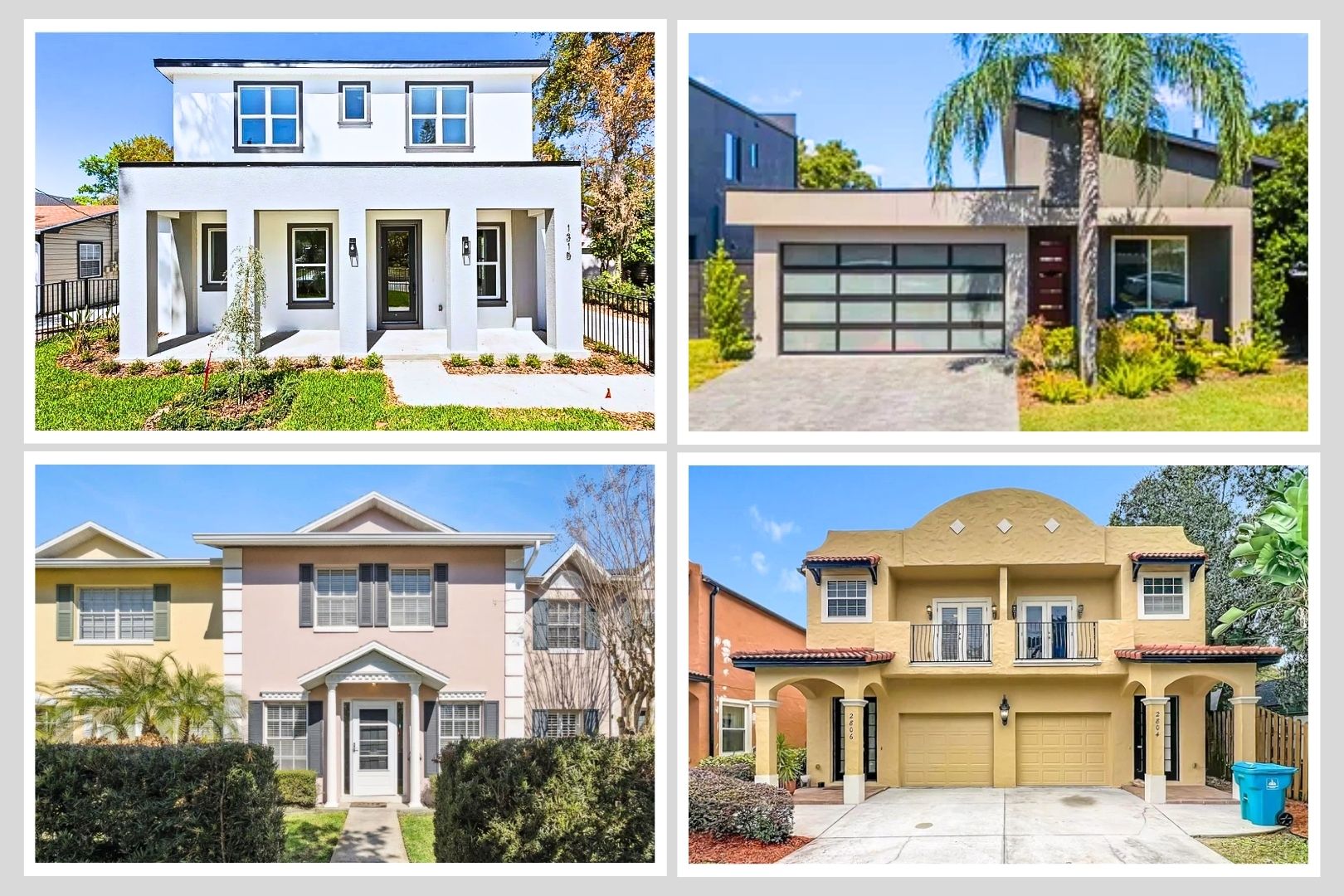

The coffee shop knows your order. Your neighbor has lived next door for a decade. The streets have tree canopy instead of strip mall signage. The Hourglass District and Milk District — two adjacent urban pockets just south and southeast of Downtown Orlando — deliver exactly that kind of neighborhood experience, and serious buyers are increasingly arriving prepared to compete for it.
These two zip codes (32803 and 32806) move considerably faster than suburban Orlando as a whole. Inventory is structurally constrained, well-priced homes attract multiple offers, and buyers relocating from other markets are showing up better informed than ever. This guide covers everything you need before making an offer: the architecture, the real estate realities, the daily lifestyle, the schools, and the honest tradeoffs.
What Makes the Hourglass District and Milk District Different From the Rest of Orlando
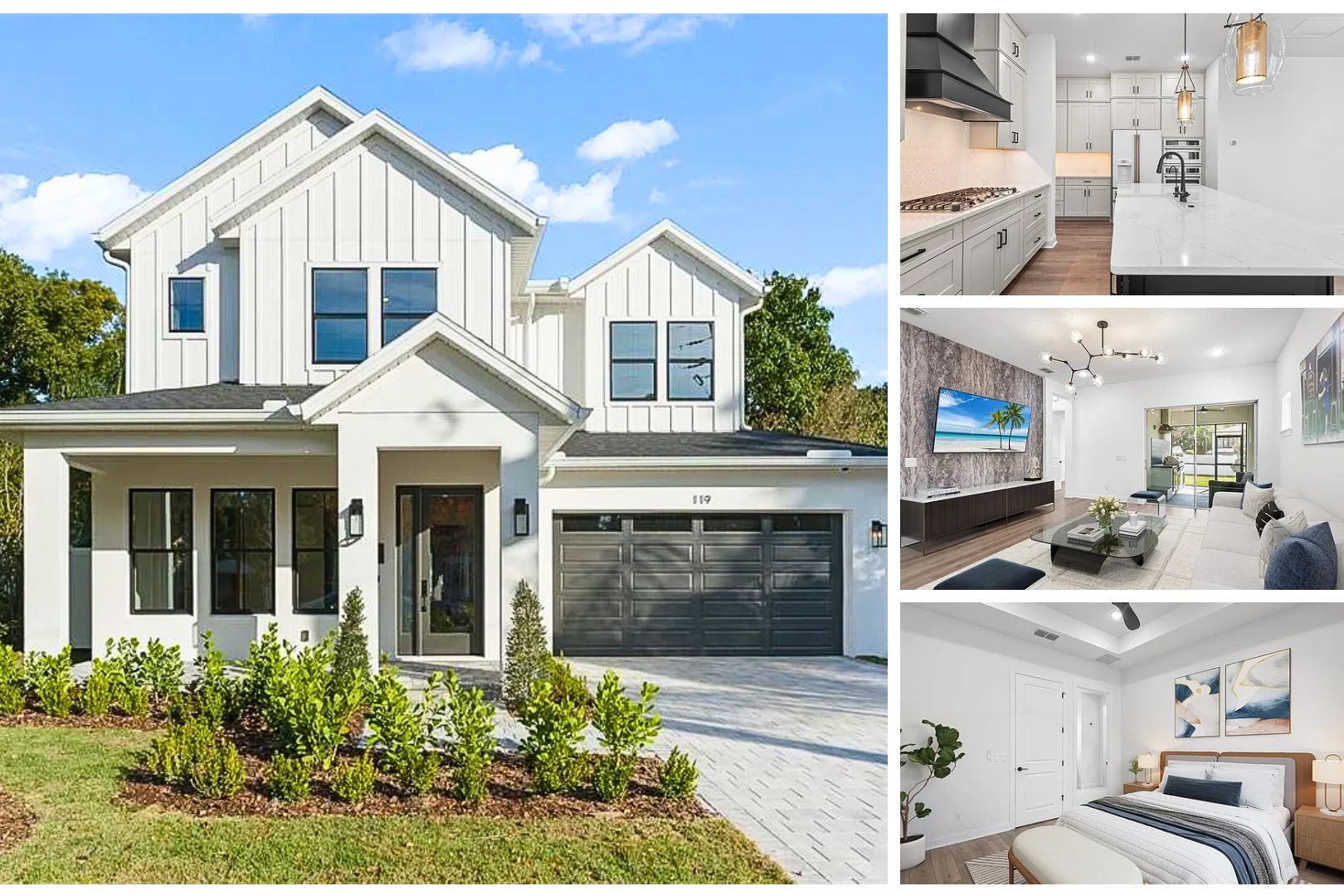

Organic Neighborhoods, Not Developer Templates
Most of Orlando’s residential growth over the past three decades has followed a familiar template: a developer buys land at the metro’s edge, plats a subdivision, builds a gated entry and a pool, and calls it a community. The Hourglass District and Milk District are the opposite of that in almost every measurable way.
Both neighborhoods grew organically over decades, shaped by residents and independent business owners rather than a master plan. The Hourglass District, centered along S. Bumby Avenue and the E. Michigan Street corridor near Hourglass Park, has developed a neighborhood identity so strong that longtime residents describe it as feeling like a small town inside a city. The Hourglass District Neighborhood Association has been an active force in local development decisions, walkability improvements, and community organizing — block parties, park cleanups, and seasonal gatherings that most master-planned neighborhoods attempt to simulate with HOA programming and never quite achieve.
The Milk District’s identity is rooted in Orlando’s independent arts, music, and food culture that took hold along E. Colonial Drive over the past two-plus decades. The neighborhood takes its name from the old TG Lee Dairy building that still anchors the stretch of Colonial Drive between Bumby Avenue and Mills Avenue. That building is a useful metaphor for the whole district: something old that became something new without losing its original character.
What Walkability Actually Looks Like Day to Day
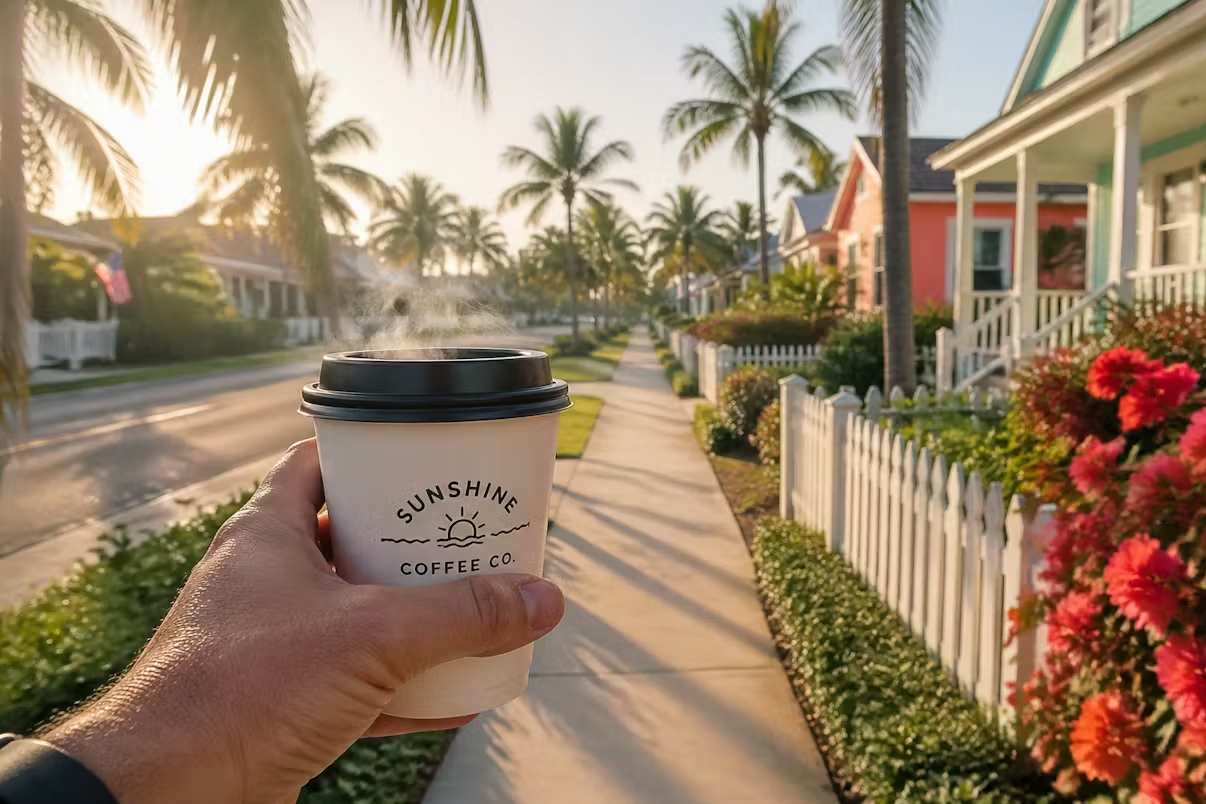

Walkability in Orlando is often claimed and rarely delivered. Here, it’s real — with the honest caveat that this is still Florida, where summer heat and the occasional missing sidewalk are facts of life.
From a typical Hourglass District residential street, a resident can walk to:
- Hourglass Brewing Co. on E. South Street — one of the neighborhood’s anchor gathering spots
- Independent restaurants and coffee shops along the S. Bumby Avenue commercial corridor
- Hourglass Park, where the same faces appear every weekend because people actually make the walk
- The SODO retail corridor — anchored by Publix and Target — for everyday errands, bikeable for most residents
Milk District residents walk or bike to a denser commercial strip along E. Colonial Drive, including Will’s Pub, The Falcon Bar, Gringos Locos, and a range of independent dining and retail. The broader Mills 50 corridor just to the north and east adds further depth. For residents who want to expand their radius, the Audubon Park Garden District’s Corrine Drive corridor — home to spots like Tako Cheena — is a short bike ride or drive north. Both neighborhoods connect to Orlando’s urban trail network, with the Cady Way Trail accessible within the broader area for cyclists who rely on two wheels for daily transportation.
Pro Tip: Walk scores vary significantly block to block in these neighborhoods. Before falling in love with a listing, check the address-specific score at walkscore.com to make sure the walkability matches your expectations for that specific property.
The Homes — What Buyers Actually Find Here
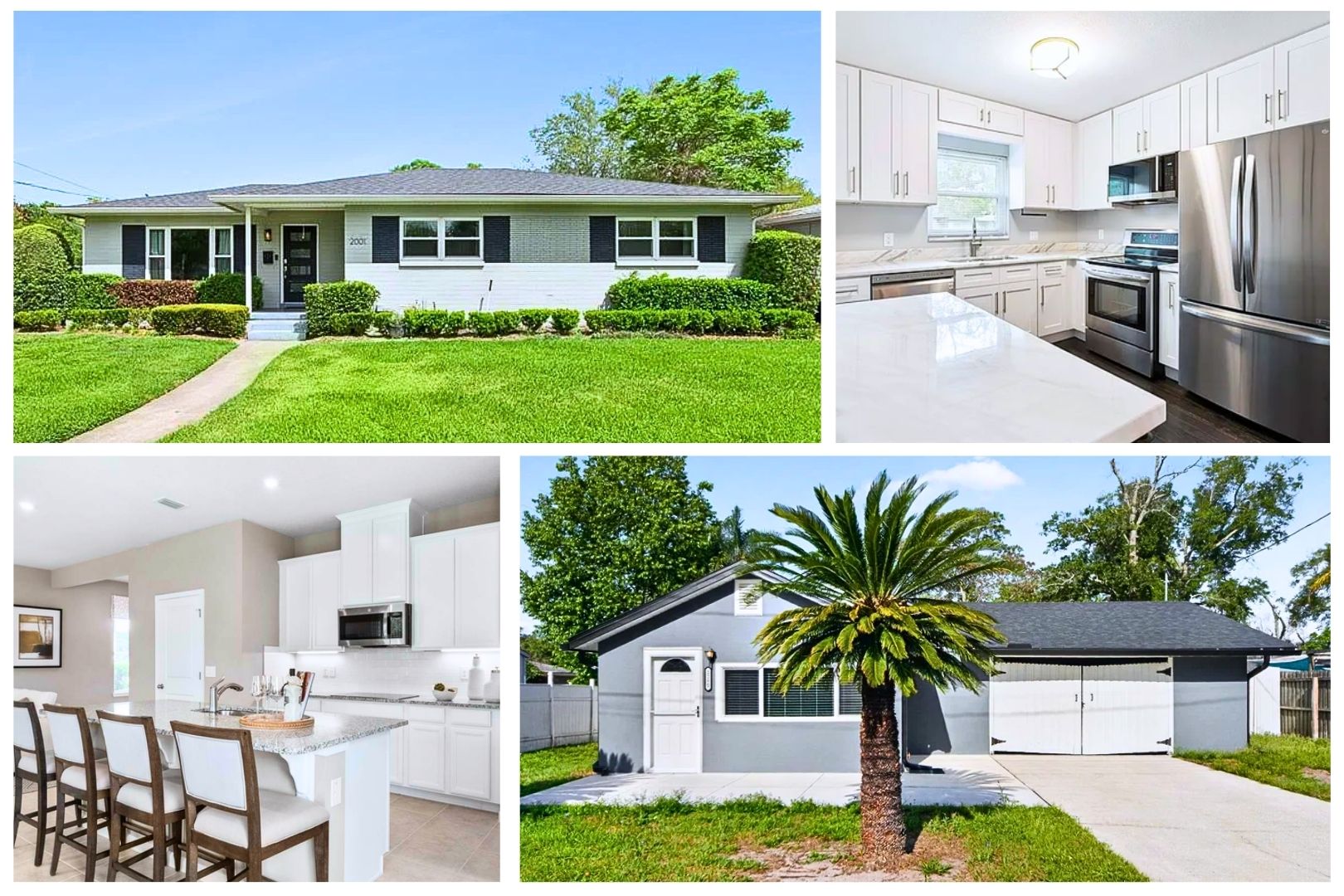

Bungalows, Cottages, and Mid-Century Finds
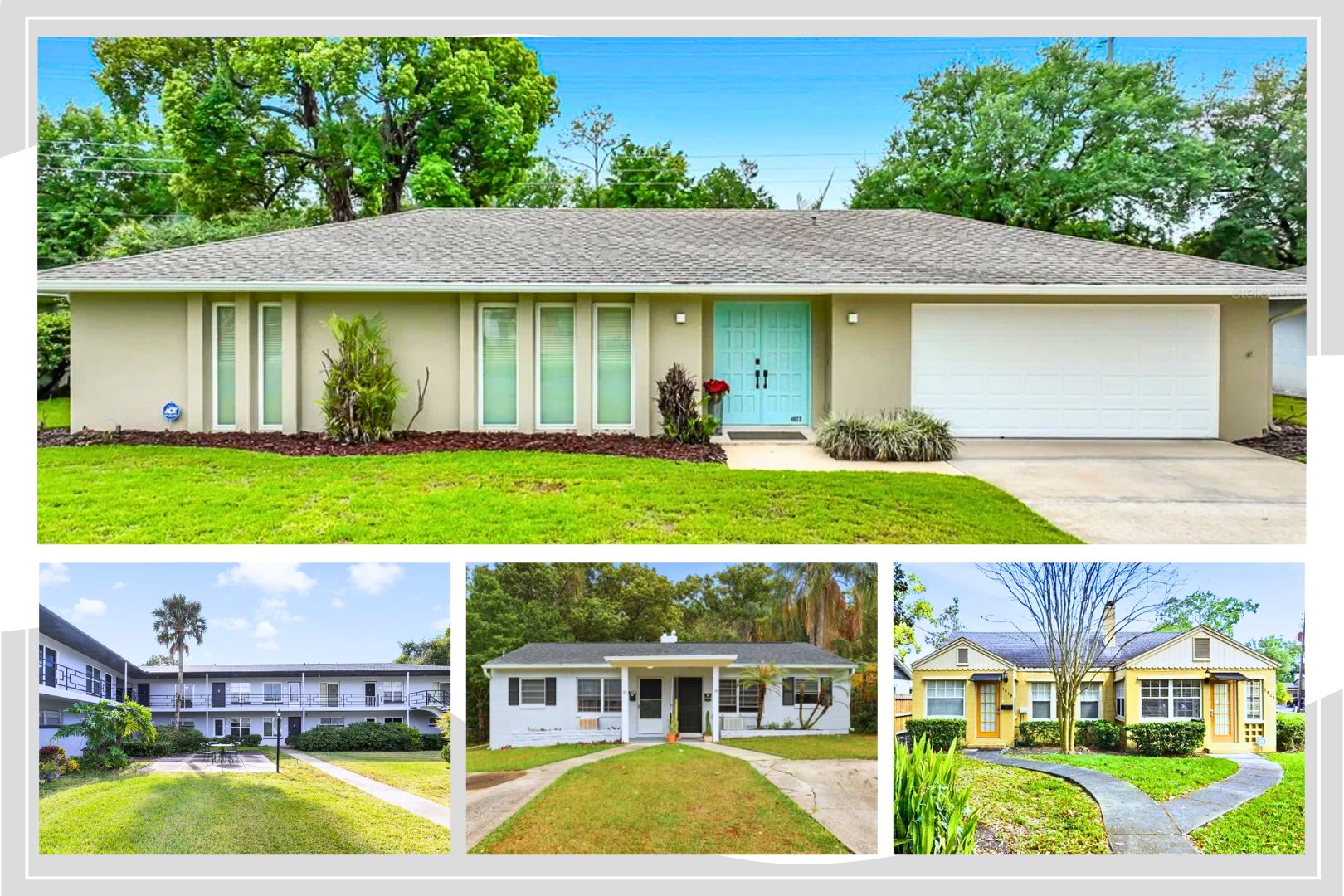
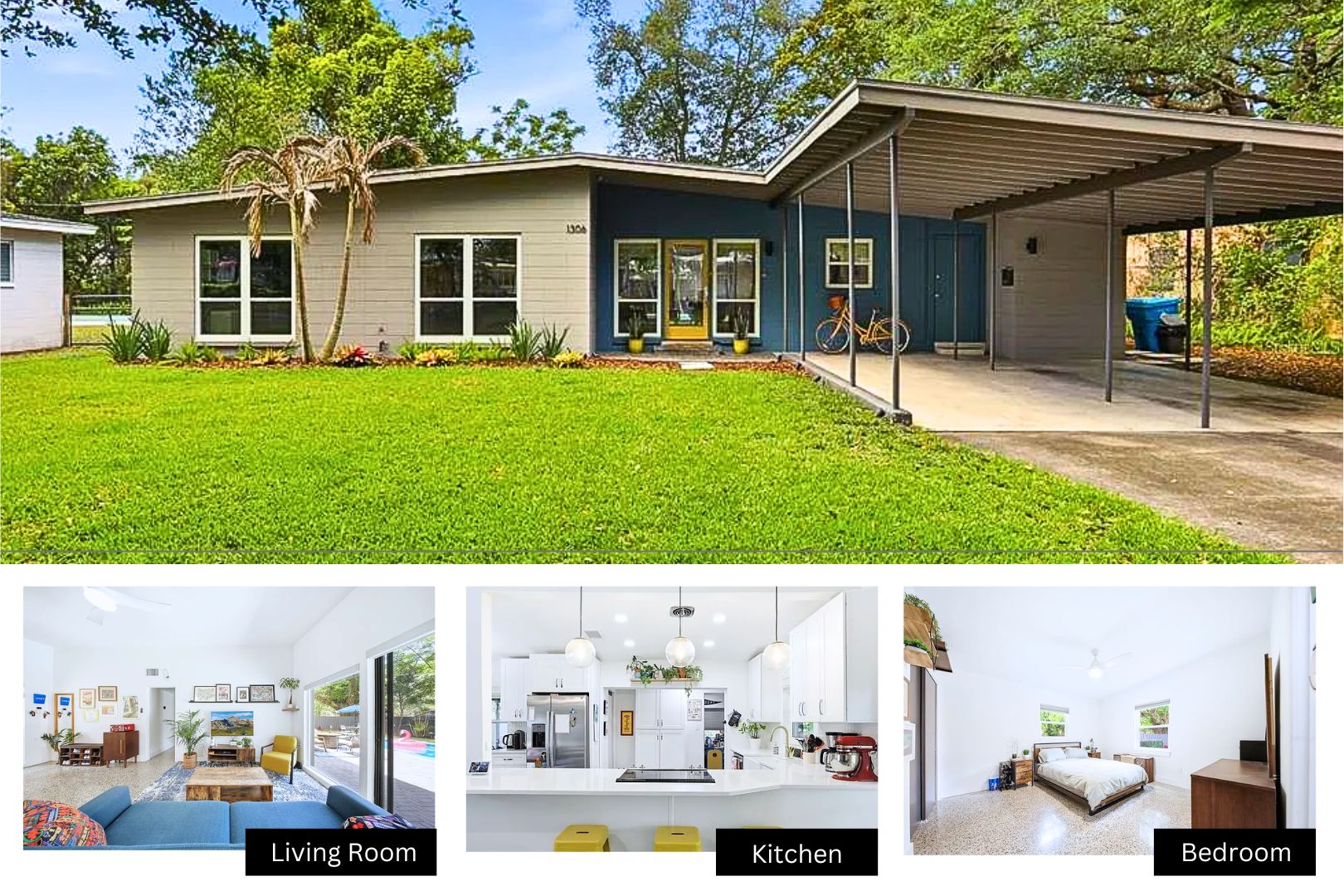
The housing stock in both neighborhoods is one of the clearest differentiators from anything built in the past 30 years. The Hourglass District is dominated by Florida bungalows, craftsman cottages, and modest concrete block ranch homes built primarily between the 1940s and the late 1960s.
Original hardwood floors, covered front porches, and the kind of mature oak canopy that takes 60 or 70 years to grow are the hallmarks buyers cite most frequently. No new construction community in the Orlando suburbs can replicate that tree cover — and buyers who have lived under it rarely want to give it up.
The Milk District shares much of the same architectural DNA, but the presence of E. Colonial Drive introduces slightly more density and variety. Duplexes, small apartment buildings, and mixed-use conversion properties are more common here than in the Hourglass District’s quieter residential interior. Infill new construction exists in both neighborhoods, though it represents a small fraction of available inventory at any given time.
Price Range and What Your Budget Gets You
Based on recent sales activity tracked through Orange County Property Appraiser data and Orlando Regional REALTOR® Association market reports, here is a general picture of where pricing has landed:
| Zip Code | Neighborhood | Typical Price Range | Notes |
|---|---|---|---|
| 32803 | Milk District / Colonialtown | Mid-$300,000s to $500,000+ | Updated or larger homes reach $600,000 and above |
| 32806 | Hourglass District / SODO | Upper $300,000s to mid-$400,000s | Entry-level renovated bungalows at lower end of range |
These figures reflect recent market conditions and will shift. Verify current pricing with a local agent and review clearly dated MLS data at the time of your search.
The tradeoff is worth naming plainly: lot sizes in both neighborhoods are typically modest by Orlando standards. Buyers moving from the suburbs will likely be giving up square footage and yard space in exchange for walkability, architectural character, and neighborhood culture. Most buyers who have thought it through consciously make that trade — and do not regret it.
The Competition — What Buyers Should Be Prepared For
Active inventory in the 32803 and 32806 zip codes has remained structurally constrained, with far fewer active single-family listings at any given time than in larger suburban zip codes covering areas like Lake Nona or Horizon West.
According to Orlando Regional REALTOR® Association market reports, well-priced homes in both zip codes have tended to sell faster than the broader Orlando MSA average — buyers should verify current days-on-market data directly with an agent reviewing live ORRA market reports.
Buyers relocating from markets with more inventory are sometimes caught off guard by the pace. Come pre-approved, know your ceiling, and work with an agent who has specific experience in these zip codes.
Neighborhood Life — Dining, Arts, and Daily Anchors

The Hourglass District Day to Day
In the Hourglass District, Hourglass Brewing Co. has become the de facto community living room for many residents — a place to end a workweek within walking distance of home, celebrate a birthday, or watch a game with neighbors who actually know each other’s names. The S. Bumby Avenue commercial corridor surrounding it includes locally rooted dining and coffee options that serve as a morning anchor for remote workers and dog-walkers alike.
Hourglass Park hosts neighborhood events throughout the year and serves as the daily backdrop for pickup games and the casual sidewalk conversations that slowly build the community fabric most suburban neighborhoods lack entirely. For everyday errands, the SODO retail corridor — anchored by Publix and Target at the south end of Orange Avenue — puts grocery runs, pharmacy stops, and routine shopping within easy reach without a highway commute. That kind of practical infrastructure matters when you are evaluating whether a walkable urban lifestyle is actually sustainable day to day.
The Milk District Day to Day
In the Milk District, the energy is more arts-forward and nocturnal. Will’s Pub, located on N. Mills Avenue in the bordering Mills 50 corridor, has been one of the most important independent live music venues in Central Florida for decades — hosting local, regional, and touring acts in an intimate room that feels nothing like a corporate venue.
The Falcon Bar and Gringos Locos anchor the food-and-drink strip along E. Colonial Drive and appear on Orlando “best of” lists because the regulars who frequent them genuinely champion them. The district has historically hosted outdoor markets, arts events, and pop-ups that draw the broader Orlando creative community into the neighborhood on a regular basis.
What Both Neighborhoods Share
Both neighborhoods sit within a short bike ride or relaxed drive of Lake Eola Park, where the Lake Eola Farmers Market draws weekly crowds of inner-Orlando residents throughout the year. The Thornton Park neighborhood’s restaurant row along Washington Street adds further dining depth to the broader lifestyle picture.
For healthcare workers in particular: the Orlando Health / ORMC campus on Orange Avenue is directly proximate to both neighborhoods — one of the most practical residential choices in the metro for nurses, physicians, and allied health professionals who want a short, low-stress commute to one of Florida’s largest healthcare employers.
Schools, Healthcare, and Practical Details


Schools Serving the Hourglass and Milk District Areas
Both neighborhoods fall within Orange County Public Schools, one of the largest public school districts in Florida and the United States, serving more than 200,000 students across more than 200 schools. Homes in the 32803 and 32806 zip codes are commonly zoned for:
- Blankner School (K-8) — earned a Florida Department of Education school grade of “A” as of the 2022–2023 assessment cycle
- Lake Como School (K-8) — serving portions of the area
- Boone High School — holds a Florida DOE grade of “B” for the same assessment period; the primary high school assignment for much of inner Orlando south of Colonial Drive
School zoning boundaries change, and the zoning for any specific property must be verified directly with Orange County Public Schools before any purchase decision — do not rely on neighborhood generalizations. OCPS also offers meaningful magnet program pathways that can expand the practical school landscape beyond neighborhood zoning. Current offerings are listed at ocps.net.
Healthcare Access and Getting Around
Orlando Health’s main ORMC campus sits approximately 1.5 miles from the Hourglass District and roughly 2 miles from the Milk District — one of Central Florida’s largest employers by any measure. For healthcare professionals, the proximity of both neighborhoods to that campus is a genuine and concrete lifestyle advantage that is difficult to replicate from suburban Orlando. AdventHealth, the other major healthcare employer in the broader metro, is also accessible from both neighborhoods without requiring extended highway commutes.
Orlando is still a car-dependent metro for most people, and neither neighborhood will let you forget that entirely. What they offer is a version of Orlando living where you can meaningfully reduce — not eliminate — car dependency. Key commute reference points worth knowing:
- Downtown Orlando: typically 10 to 15 minutes by car depending on time of day; bikeable for residents comfortable on urban roads
- SunRail: commuter rail access available from nearby stations heading north toward Winter Park and Maitland or south toward Kissimmee
- Orlando International Airport: accessible in under 30 minutes in normal traffic — a practical detail for frequent travelers evaluating overall quality of life
Hourglass District vs. Milk District — How to Decide

Buyers seriously considering both neighborhoods — which is most of them — eventually arrive at a direct comparison question. The right choice often comes down to which home is available, well-priced, and in good condition when you are ready to move. But the differences are real and worth thinking through.
| If you want this… | Consider this neighborhood |
|---|---|
| Quieter, more residential day-to-day environment with genuine walkability | Hourglass District |
| Strong neighborhood association presence and community identity | Hourglass District |
| Craft beer culture and the S. Bumby Avenue dining and gathering scene | Hourglass District |
| Arts-forward, eclectic energy with more urban density | Milk District |
| Proximity to Orlando’s independent music and nightlife along E. Colonial Drive | Milk District |
| Direct walking and biking access to the Mills 50 corridor’s dining and retail | Milk District |
Worth acknowledging plainly: many buyers who start out with a clear preference end up purchasing in whichever neighborhood had the right home available at the right moment. Both share the same fundamental appeal — authentic community, walkable streets, architectural character, and an Orlando identity rooted in decades of real neighborhood life that no suburb can replicate.
What Buyers Should Know Before Making an Offer

Market Preparation
Pre-approval is non-negotiable. This is not a market where you tour homes casually and then get financing in order when something catches your eye. Homes that check the right boxes in these pockets — renovated, well-priced, with usable outdoor space and parking — can move within days of listing. Arriving without a pre-approval letter means you are not a real buyer when it counts.
Inspection Considerations for Older Homes
The bungalows and block homes that define these neighborhoods are genuinely charming and often structurally sound, but they come with inspection considerations that newer homes do not. A thorough inspection by someone experienced with older Central Florida homes is worth every dollar. Key areas to examine closely include:
- Roof age and condition
- Electrical panel capacity
- Original or partially updated plumbing
- HVAC systems managing Florida’s year-round heat load
Do not waive inspection. Know what you are buying before you commit.
Flood Zones, HOAs, and the Long View
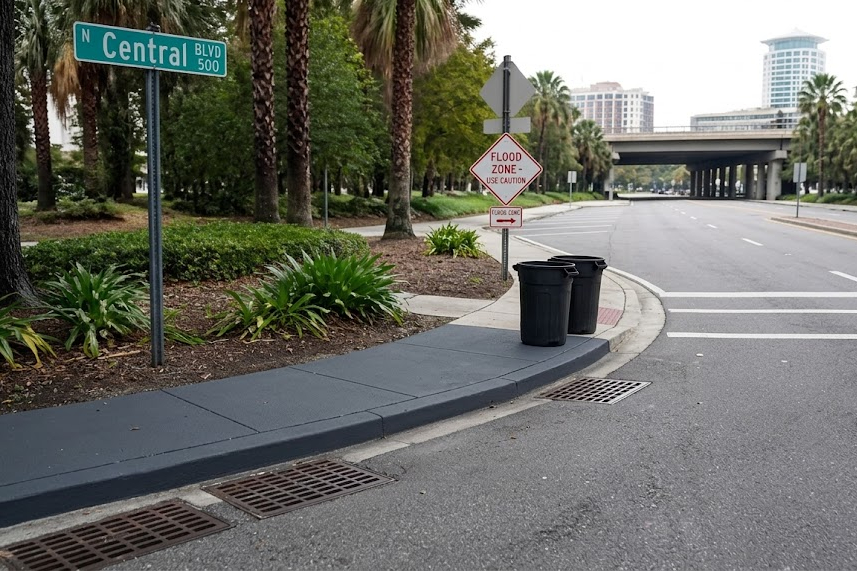

Portions of inner Orlando — including low-lying streets and areas near lakes and drainage corridors — carry flood insurance requirements that can add meaningfully to the monthly cost of ownership. Ask your agent and lender about flood zone status for any specific property early in the process, before you fall in love with a home and discover the insurance cost afterward.
Most single-family homes here carry no mandatory HOA — a genuine selling point for buyers who value freedom from architectural review boards, pet restrictions, and monthly dues. Individual condo projects or newer townhome communities within the area may be exceptions, so confirm HOA status with your agent on a property-by-property basis.
Both neighborhoods have demonstrated consistent appreciation driven by their urban location, limited new land supply, walkability premium, and proximity to major employers. Orange County Property Appraiser data and ORRA market reports consistently show that infill urban pockets like these have tracked at or above the broader Orlando MSA appreciation rate over time. Buyers thinking five to ten years ahead are entering neighborhoods with structural demand drivers that newly developed suburban areas simply cannot match.
Pro Tip: If you are comparing two properties — one in each neighborhood — ask your agent to pull the specific days-on-market history and price-per-square-foot trends for those individual streets. Micro-level data often tells a more useful story than zip code averages.
Frequently Asked Questions


Are the Hourglass District and Milk District good places to invest in real estate?
Both neighborhoods have historically shown strong appreciation and steady rental demand rooted in their urban location, walkability, and proximity to major employers and Downtown Orlando. As with any investment decision, current market conditions vary and a local agent with specific experience in these zip codes is the right resource for up-to-date data and realistic expectations.
What is the commute like from these neighborhoods to Downtown Orlando?
Both neighborhoods are among the closest residential areas to Downtown Orlando — a typical drive runs 10 to 15 minutes depending on time of day, and the distance is bikeable for residents comfortable on urban roads. SunRail and LYNX bus service provide transit options, though most current residents rely primarily on cars or bikes for day-to-day transportation.
Do homes in the Hourglass District and Milk District have HOAs?
The large majority of single-family homes in both neighborhoods do not carry mandatory HOA fees, which is one of the consistent lifestyle advantages buyers cite when choosing these neighborhoods over managed suburban communities. Some individual condo buildings or newer attached-home developments may have association fees — confirm on a property-by-property basis with your agent.
What schools serve these neighborhoods?
Homes in these zip codes are commonly zoned within Orange County Public Schools for Blankner K-8, Lake Como K-8, and Boone High School, though school zoning boundaries change and must always be verified directly with OCPS before any purchase decision. OCPS magnet program options can expand the practical school landscape beyond neighborhood zoning.
How competitive is the housing market here?
Both neighborhoods have been notably competitive relative to suburban Orlando. Desirable, well-presented homes frequently attract multiple offers, and days on market in the 32803 and 32806 zip codes have run significantly shorter than the broader Orlando MSA average according to ORRA market reports. Come pre-approved, understand your budget ceiling, and work with an agent who knows these specific streets.
What types of homes are most common?
Florida bungalows, craftsman cottages, and mid-century concrete block ranch homes built primarily between the 1940s and 1970s make up the dominant housing stock in both neighborhoods. Renovated homes are common and priced accordingly. Duplexes, small apartment buildings, and occasional infill new construction also exist, particularly in the Milk District’s areas closer to E. Colonial Drive.
The Bottom Line

The Hourglass District and Milk District offer something genuinely uncommon in the Orlando market: urban neighborhoods that have earned their character over decades rather than having it designed in at the planning stage. For buyers who value authentic community, walkable streets, architectural charm, and a location that keeps the best of inner Orlando within reach, these two neighborhoods deserve serious consideration.
The tradeoffs are real — modest lot sizes, older homes that reward careful inspection, and a market where well-priced properties move quickly. But buyers who arrive prepared, work with people who genuinely know these neighborhoods, and take the time to understand what they are buying tend to land in homes they are proud of for a long time.
If you are ready to explore what is currently available in the Hourglass District or Milk District, reach out to our team — we would be glad to help guide you through the process.