
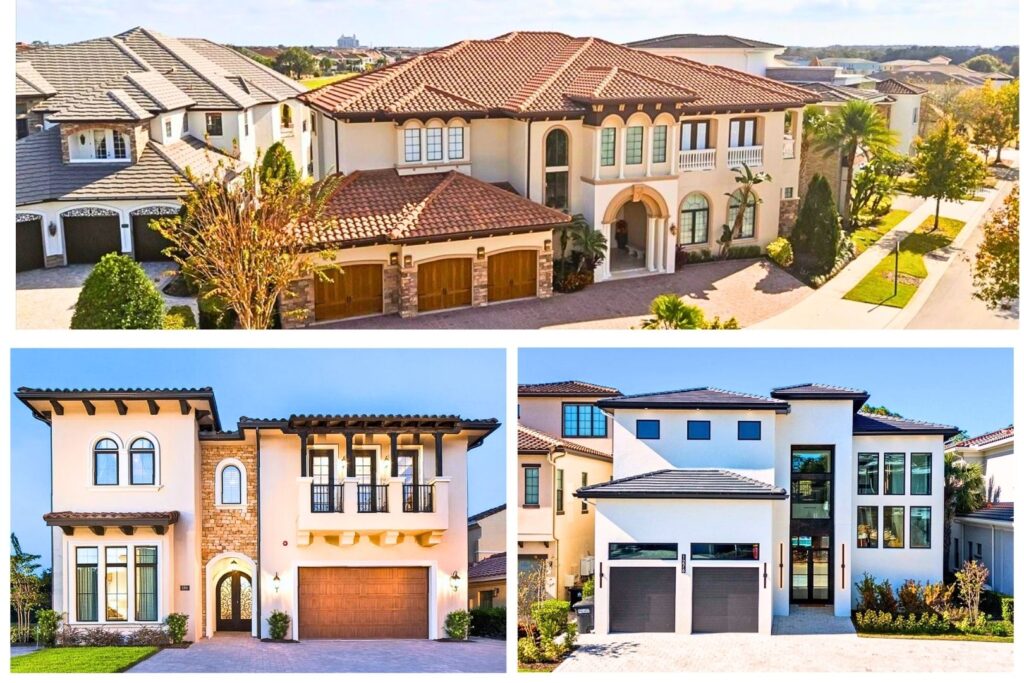

Spring in Osceola County doesn’t just bring warmer weather — it triggers the most consequential stretch of the local real estate calendar. From March through June, buyer demand accelerates sharply, well-priced listings move quickly, and pricing decisions carry real financial consequences for both sides of the transaction.
Spring 2026 arrives against a backdrop of evolving mortgage rate expectations, continued population growth across Central Florida, and inventory dynamics that make this particular season worth examining carefully before making any move. This post breaks down what the current data actually shows for buyers and sellers navigating Osceola County right now — no hype, just a clear-eyed look at local conditions.
Why Spring Is the Most Active Season in the Osceola County Real Estate Market

The Seasonal Demand Cycle in Central Florida
Osceola County’s peak buying season doesn’t map perfectly onto national norms — and understanding why matters for anyone trying to time a move intelligently. Three overlapping forces compress the county’s spring market into a particularly intense window:
- Snowbird activity wraps up by late March as northern residents return home, freeing up buyer attention for local inventory
- Families from out of state begin locking in purchases to hit summer move-in timelines before the school year begins
- Year-round in-migration from northern states peaks as buyers who have been researching remotely all winter finally arrive in person
The result is a concentrated surge that historically runs from roughly late February through mid-May. Listing activity in Kissimmee and St. Cloud typically spikes in March, with buyer competition reaching its highest intensity in April and May. According to Florida Realtors county-level reporting, Osceola County has consistently recorded its highest transaction volume in Q2 relative to Q1 — a pattern that holds across market cycles.
Pro Tip: If you’re a seller, getting your listing live by late March puts you directly in front of the most concentrated buyer pool of the year. Waiting until June means competing with fewer motivated buyers.
What Makes Osceola County’s Spring Market Unique
Several demand drivers make Osceola County’s spring market behave differently than neighboring Orange County or the broader metro Orlando average. Proximity to Walt Disney World — one of the largest single-site employers in Florida — anchors a year-round base of housing demand that simply doesn’t exist in comparable markets. The tourism and hospitality corridor along US-192 adds additional employment depth, and the short-term rental market near Celebration, Four Corners, and Reunion-adjacent neighborhoods draws investor buyers who tend to accelerate purchasing decisions during spring when forward bookings give them real underwriting data.
Families relocating from New York, New Jersey, Massachusetts, and Illinois dominate the spring relocation cohort, timing moves around school year calendars in ways that make March through May the practical decision window for summer closings.
Osceola County’s population grew from roughly 172,000 in 2000 to more than 415,000 by 2023 — one of the strongest sustained growth rates among Florida counties.
Source: U.S. Census Bureau 2020 Decennial Census; Population Estimates Program, 2023
That demographic momentum doesn’t pause for spring. It accelerates.
Osceola County Home Prices in Spring 2026 — Where Things Stand

Median Home Prices Across Key Communities
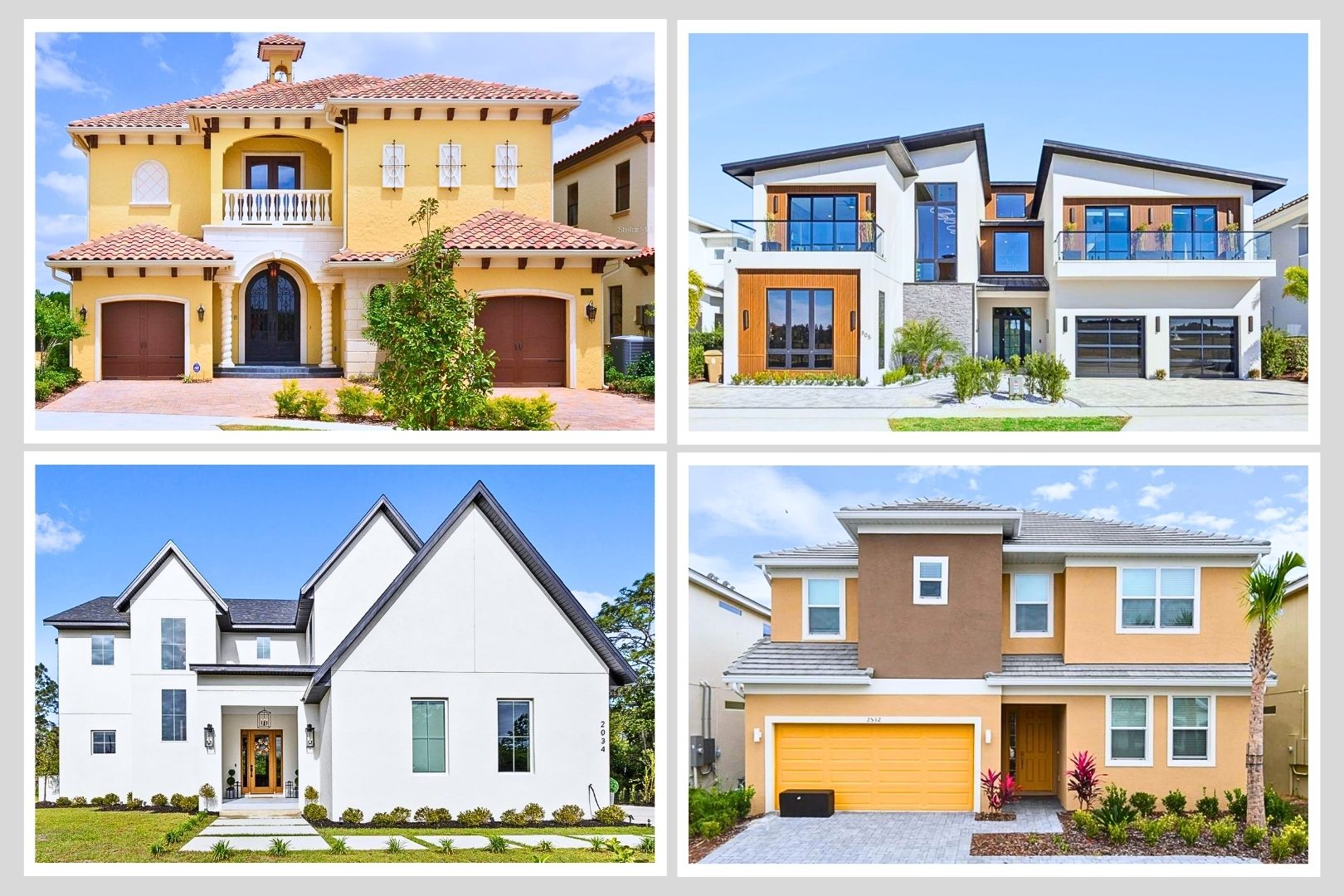
Osceola County’s residential price landscape is notably varied, and treating the market as a single number misses most of the story. At the premium end, Celebration — the Disney-developed master-planned community — commands prices well above the county median, driven by its architectural standards, walkable town center design, A-rated schools, and sustained appeal among buyers relocating from high-cost northern metros. Buyers targeting Celebration are often comparing it favorably to what their budget would purchase in comparable planned communities in the Northeast or Mid-Atlantic and finding the value proposition compelling.
St. Cloud occupies a value-oriented middle ground, continuing to attract buyers who find themselves priced out of closer-in Kissimmee submarkets. The St. Cloud lakefront district — within reach of East Lake Tohopekaliga and the city’s growing downtown dining scene — offers established single-family character at prices that represent solid value relative to equivalent Orange County product.
Poinciana remains one of the county’s most accessible entry points, while Buenaventura Lakes, positioned near the Osceola-Orange County line, offers similar affordability with convenient access to employment nodes in both counties.
The Osceola County median sale price tracked in the range of $355,000 to $375,000 through late 2024 into early 2025 per Florida Realtors county data. Spring 2026 figures are best confirmed through a current Stellar MLS pull from a local agent.
Source: Florida Realtors County Market Summary Reports, 2024–2025
Year-Over-Year Price Trends
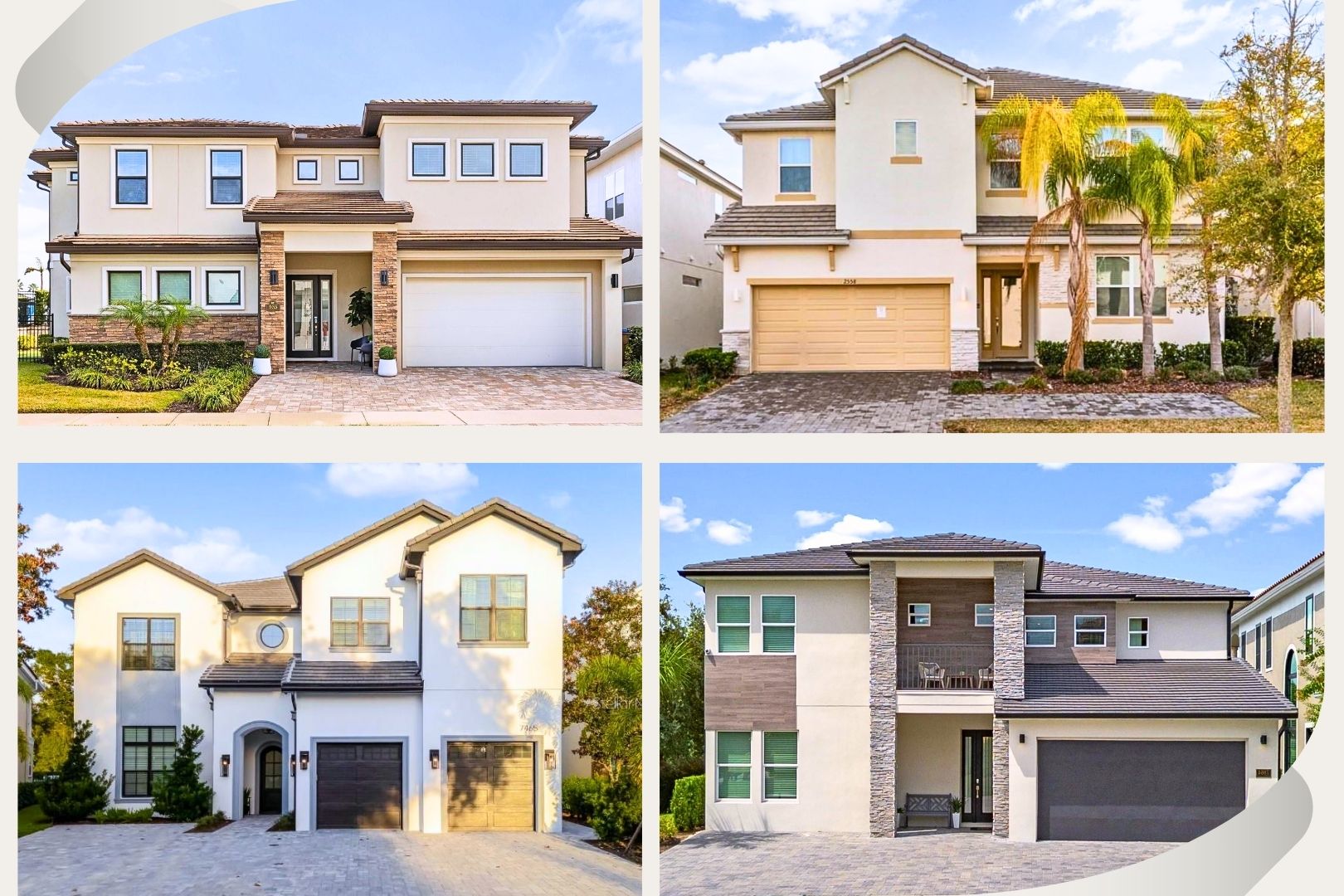

The broader price story in Osceola County since 2020 is one of dramatic appreciation followed by a measured plateau — not the sharp correction that some national commentators predicted for Florida broadly. Year-over-year appreciation moderated to approximately 2 to 4 percent through 2024, a dramatic deceleration from the 20-plus percent annual gains recorded during 2021 and 2022, but not a retreat into negative territory. The county’s underlying population growth pressure has supported values in ways that more speculative, investor-driven markets have not maintained.
Some outlying submarkets — particularly portions of Poinciana at the county’s western edge — showed more price softening than central Kissimmee or Celebration during 2023 and 2024, while Harmony and Celebration maintained stronger demand-driven pricing support. For buyers and sellers navigating spring 2026, working from current sold comparables rather than peak-cycle data is essential. Osceola County’s specific conditions diverge meaningfully from broader Florida or national figures.
Inventory Levels and What They Mean for Buyers and Sellers This Spring

How Much Inventory Is Available Right Now?
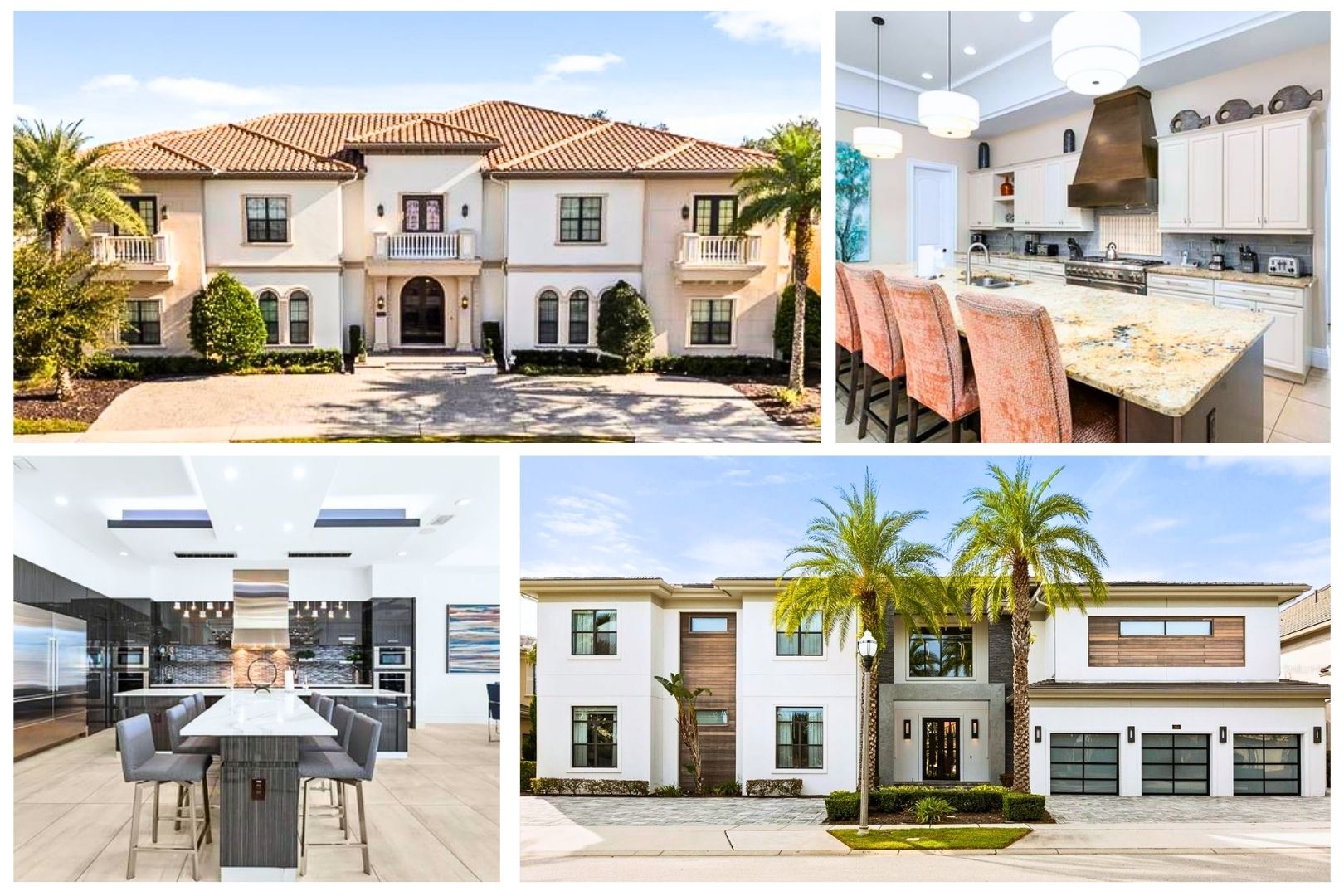
Inventory conditions are arguably the single most important variable entering spring 2026, and they’re more nuanced than a single months-of-supply figure conveys. Osceola County buyers operate in a market with a meaningful new construction component that simply doesn’t exist in more mature, built-out markets. Active building programs in Harmony West, south St. Cloud communities including Hanover Lakes and Turtle Creek, and ongoing development near east Kissimmee mean that buyers who consider only resale listings are seeing an incomplete inventory picture.
Resale inventory has risen compared to the extreme lows of 2021 and 2022. Here’s how to interpret current supply conditions:
| Months of Supply | Market Condition |
|---|---|
| Below 4 months | Seller’s market |
| 4–6 months | Balanced market |
| Above 6 months | Buyer’s market |
Osceola County tracked in the 3.5 to 4.5 month range as of mid-to-late 2024, placing it near balanced market territory. New construction availability in south Osceola County gives buyers at certain price points genuine leverage, including builder incentives on rate buydowns and closing cost contributions not available in resale transactions. Current active listing counts should be confirmed with a local agent pulling live Stellar MLS data, as spring typically compresses these figures quickly.
Days on Market: How Quickly Are Homes Moving?
Days on market is the real-time temperature gauge of the spring market. As of late 2024 and early 2025, the median days on market in Osceola County settled in the range of 55 to 65 days — up significantly from the sub-20-day figures recorded during the 2021 and 2022 peak, but not in distress territory. The directional shift reflects a market that has normalized rather than weakened.
Well-priced homes in high-demand Kissimmee zip codes — 34741, 34746, and 34747 — and established St. Cloud neighborhoods within reach of East Lake Toho consistently move faster than the county average. Correctly priced Celebration homes also tend to move relatively quickly given the depth of the relocation buyer pool specifically targeting that community.
Homes accumulating days on market and requiring price reductions are most commonly the ones where initial pricing chased peak-cycle comparables rather than current sold data. For buyers, an elevated days-on-market figure on a specific listing is frequently a negotiating signal worth noting.
Mortgage Rates and Affordability in the Osceola County Market


How Current Rates Are Affecting Buyer Purchasing Power
Mortgage rates have been the dominant variable in buyer purchasing power since 2022, and Osceola County is not insulated from that dynamic. The Freddie Mac Primary Mortgage Market Survey recorded the 30-year fixed rate averaging approximately 6.65 percent as of early April 2025, with rates ranging between roughly 6.5 and 7.0 percent for several months prior. Buyers should confirm current rates with a licensed lender, as the PMMS updates weekly.
At the county’s approximate median price with a 10 percent down payment — producing a loan amount near $330,000 — a rate in the 6.65% range generates a principal and interest payment of approximately $2,120 per month.
Source: Freddie Mac Primary Mortgage Market Survey, April 2025
Osceola County’s relative affordability compared to neighboring Orange County means that rate sensitivity plays out somewhat differently here. A buyer stretching to afford an Orange County home at current rates may find that Osceola County price points produce a monthly payment that fits their budget in ways Orange County simply cannot match — and that affordability gap continues to drive meaningful cross-county buyer migration via SR-417, the Florida Turnpike, and US-192 corridors.
First-Time Buyer and Down Payment Assistance Programs Active in Florida
First-time buyers purchasing in Osceola County have access to Florida Housing Finance Corporation programs that can meaningfully reduce upfront costs. Key options include:
- FL Assist — a deferred second mortgage of up to $10,000 at zero percent interest for down payment and closing cost assistance
- HFA Preferred and HFA Advantage programs — combining favorable first mortgage rates with down payment support
Osceola County’s median price points frequently keep buyers within program income and purchase price eligibility thresholds — an advantage that buyers in higher-cost Orange County submarkets may not share. The county’s median household income of approximately $54,000 to $56,000 per American Community Survey data means many buyer households fall within program income limits, which range upward to roughly $90,000 to $120,000-plus depending on household size.
Program terms change periodically. Buyers should verify current eligibility and terms directly through a Florida Housing-approved lender or at floridahousing.org before making purchasing decisions.
Neighborhoods and Communities to Watch in Osceola County This Spring

Established Communities With Strong Spring Demand
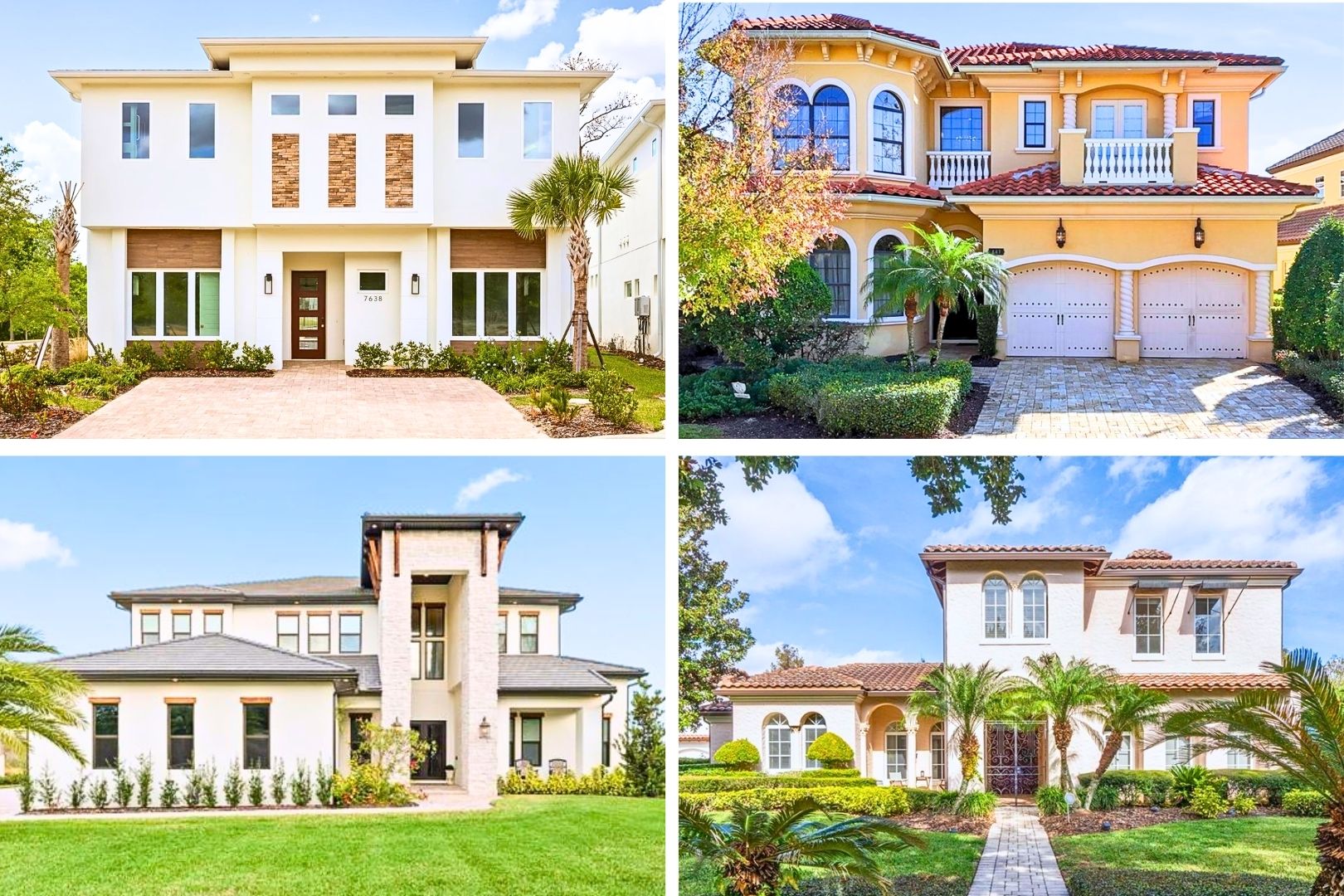
Celebration remains the county’s most recognizable master-planned community and one of its most consistent performers in sustained buyer interest. Its Disney-designed streetscapes, front-porch architectural standards, walkable town center, and school access — including Celebration K-8 and Celebration High School, both A-graded by the Florida Department of Education — position it as a premium destination for relocation buyers. Buyers who arrive expecting generic Florida suburban development consistently find Celebration’s character to be a meaningful differentiator.
Harmony, in southeast Osceola County, appeals to buyers who want master-planned quality with more breathing room than Celebration’s density. Built around natural amenities including two community lakes and equestrian trail access — with Top of the World Marina serving residents — and served by Harmony Community School, also an A-rated institution, the community draws buyers prioritizing outdoor amenity and a lower-density environment. Pricing here tends to be more competitive than Celebration, with newer construction pockets in Harmony West adding fresh inventory options.
St. Cloud’s lakefront district offers something distinctly different — established neighborhood character, proximity to East Lake Tohopekaliga and the Kissimmee Chain of Lakes, and a downtown that has continued to grow its dining and community identity. Inventory in this submarket is perennially tight during spring because demand is consistent and the housing stock doesn’t turn over rapidly. Buyers targeting this area should be prepared to move decisively when the right property appears.
Growth Corridors Attracting Spring Buyers
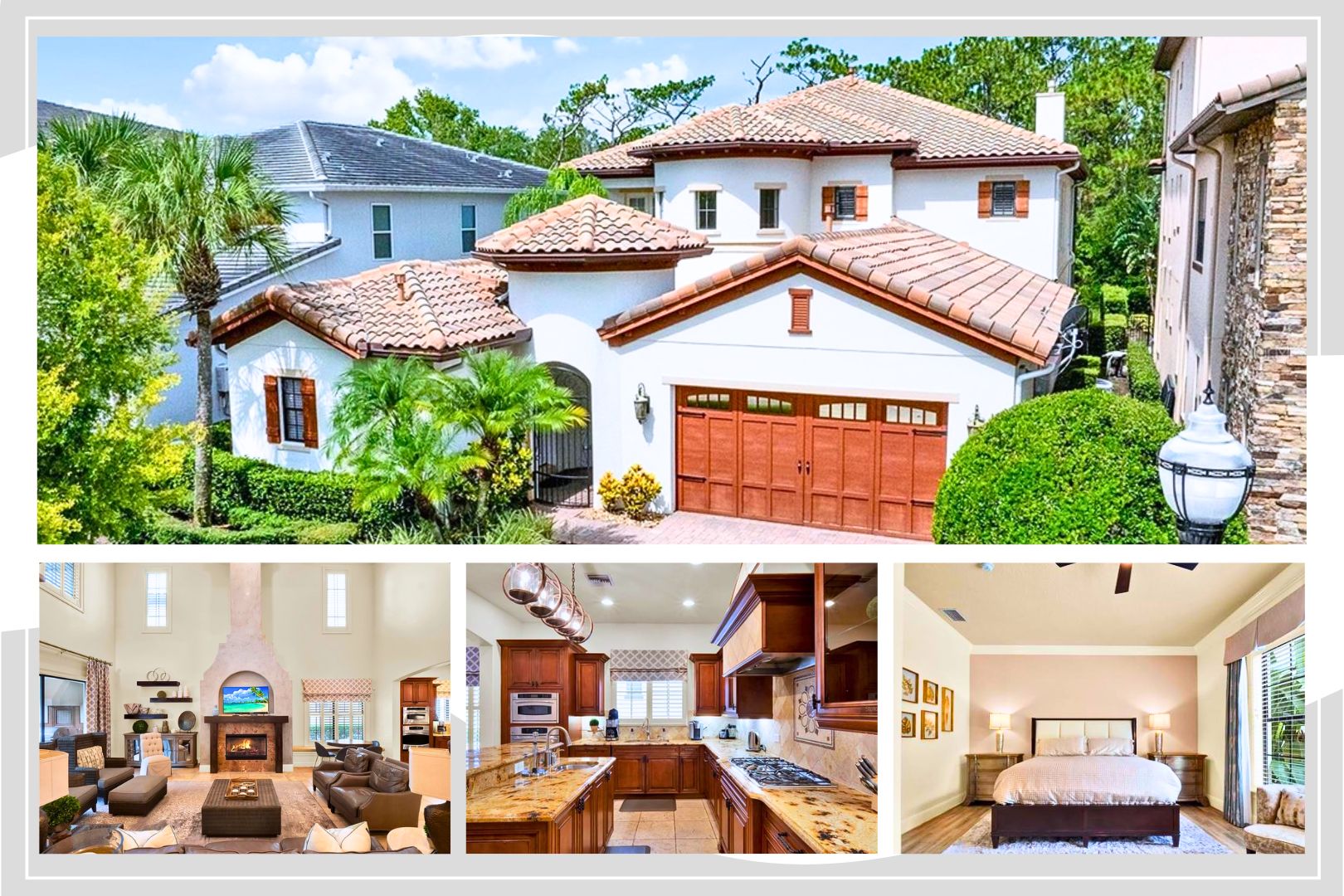

Poinciana continues to function as the county’s most accessible entry-point market, straddling the Osceola-Polk county line. The Poinciana SunRail station — which opened in 2018 as the southern terminus of Central Florida’s commuter rail system — adds meaningful commuter infrastructure value, connecting residents to downtown Kissimmee, downtown Orlando, and points north along the corridor. For buyers who work in Orlando’s urban core and want to minimize driving costs, Poinciana’s combination of price accessibility and rail connectivity is a practical pairing that’s difficult to replicate at similar price points.
The NeoCity corridor in east Kissimmee is worth monitoring with a measured eye. The semiconductor campus drew significant public-private investment and was positioned as a transformative economic development anchor for the county, though anchor tenant BRIDG filed for bankruptcy in 2022 and the campus has since undergone restructuring. The long-term vision for the corridor as a technology and innovation hub remains part of the county’s economic development planning, but buyers should evaluate current conditions rather than earlier projections.
Several other communities round out the growth picture across south and east Osceola County:
- Buenaventura Lakes — near the Osceola-Orange County boundary, with established infrastructure and practical access to employment in both counties at competitive price points
- Hanover Lakes — modern construction with lakeside amenities in south St. Cloud
- Turtle Creek and Deer Run — larger lots and newer builds at prices that represent strong value for buyers willing to accept a slightly longer commute
Buyer and Seller Strategies for Osceola County’s Spring 2026 Market


Strategies for Buyers Entering the Market This Spring
Pre-approval is not optional in Osceola County’s spring market — it is the practical entry requirement for being taken seriously as a buyer. In central Kissimmee zip codes and Celebration particularly, well-priced listings attract offers quickly enough that buyers who haven’t completed full pre-approval before touring are routinely losing homes to buyers who have done that groundwork in advance. The pre-approval conversation also surfaces budget realities — including insurance and HOA costs — that matter enormously in Florida’s current cost environment.
New construction deserves careful consideration rather than reflexive dismissal. Builder incentives including mortgage rate buydowns and closing cost contributions have been actively deployed by major builders across Osceola County communities — from south St. Cloud to Harmony West to Poinciana — and can meaningfully reduce the effective cost of a new construction purchase relative to what the sticker price implies. Buyers who limit their search to resale inventory alone may be missing the most negotiating-friendly options in the current market.
Florida-specific cost factors require careful attention in any affordability calculation. Several areas near the chain of lakes — including zip codes 34741, 34744, 34746, and 34769 — fall within FEMA-designated Special Flood Hazard Areas, which triggers mandatory flood insurance requirements for federally backed loans.
Florida’s average annual homeowner’s insurance premium ranges from $4,000 to $5,500 depending on coverage level and location — compared to a national average near $1,900.
Source: Insurance Information Institute, 2023–2024; Florida Office of Insurance Regulation
Request actual insurance quotes for specific properties before going under contract — not after — so that total monthly housing cost can be assessed accurately before making a financial commitment.
Pro Tip: Ask your agent to run a flood zone check on any property you’re seriously considering before making an offer. In some Kissimmee and St. Cloud zip codes, mandatory flood insurance can add several hundred dollars per month to your carrying costs — a figure that should be factored into your affordability calculation from the start.
Strategies for Sellers Listing This Spring
Timing your listing’s market debut matters more than many sellers recognize. Data from Osceola County’s recent spring cycles consistently shows that listings entering Stellar MLS in the late March through mid-May window attract the most concentrated buyer attention — before summer heat softens showing traffic and before the relocation window that drives spring competition closes. Listing too early or too late relative to that peak window means competing with fewer active buyers.
Pricing strategy is where sellers capture or surrender the most value in spring 2026. Today’s Osceola County buyers have more options than they did in 2021 or 2022, including new construction alternatives with builder incentives. That means overpriced resale listings sit, accumulate days on market, and ultimately require reductions that net sellers less than a correctly calibrated initial listing would have produced. Price from current sold comparables, not aspirational comparisons to peak-cycle sales.
Presentation quality — staging, professional photography, and genuine curb appeal investment — now carries direct weight in how quickly a home moves and at what price. That wasn’t true in the near-zero-inventory conditions of the pandemic market. It is very much true now.
Frequently Asked Questions About the Osceola County Housing Market in Spring 2026

Is it a buyer’s market or a seller’s market in Osceola County right now?
The honest answer is that it depends on where in the county you are looking and at what price point. Well-located resale homes in central Kissimmee zip codes and Celebration — where demand is deep and resale inventory remains relatively constrained — still favor sellers with correctly priced homes. More outlying areas, certain price points above the county median, and communities with heavy new construction competition show conditions that are meaningfully more favorable to buyers. Treat Osceola County as a collection of micro-markets with distinct conditions rather than a single uniform environment.
Are home prices still rising in Osceola County or are they leveling off?
The aggressive appreciation of 2021 and 2022 — when Osceola County saw 20-plus percent annual gains — has given way to a much more measured pace of 2 to 4 percent year-over-year appreciation through 2024. Osceola County has shown more stability than many high-run-up markets nationally and has not entered correction territory, supported by continued population growth that pushed the county from roughly 172,000 residents in 2000 to more than 415,000 by 2023. Buyers should work from current MLS-sourced figures rather than relying on older data or national averages.
How does Osceola County compare to Orange County for homebuyers in 2026?
Osceola County’s primary advantage over neighboring Orange County is price — buyers consistently get more home for their budget, which matters especially at current mortgage rate levels where every dollar of purchase price translates directly into monthly payment impact. The practical trade-off is commute: major Orange County employment centers are accessible via SR-417, the Florida Turnpike, and US-192, but buyers should be realistic about peak-hour drive times. Osceola County’s master-planned communities — particularly Celebration and Harmony — offer amenities and school quality that compete favorably with anything Orange County provides at comparable price points.
What are the most affordable communities for first-time buyers in Osceola County?
Poinciana, Buenaventura Lakes, and parts of east Kissimmee and south St. Cloud consistently represent the county’s most accessible entry points for buyers working within budget constraints. New construction communities in south Osceola County sometimes offer competitive base prices supplemented by builder rate buydown incentives that improve effective affordability meaningfully. First-time buyers should also explore Florida Housing Finance Corporation programs including FL Assist, which offers deferred down payment assistance of up to $10,000 for eligible buyers — Osceola County’s price points frequently keep buyers within program eligibility thresholds.
What should I know about flood zones and insurance when buying in Osceola County?
This is a consideration that is frequently underestimated by buyers new to the Central Florida market. Portions of Kissimmee and St. Cloud — particularly areas near the chain of lakes in zip codes including 34741, 34744, 34746, and 34769 — fall within FEMA-designated Special Flood Hazard Areas, and federally backed loans on properties in those zones require flood insurance as a condition of the mortgage. Florida homeowner’s insurance costs rank among the highest in the nation, with industry data through 2024 placing average annual premiums in the range of $4,000 to $5,500 depending on coverage level and location — far above the national average of roughly $1,900. Request actual insurance quotes for any specific property before going under contract so that total monthly housing expense reflects real-world costs rather than estimates.
What Osceola County’s Spring 2026 Market Means for You


Osceola County’s spring 2026 market is neither the frenzied seller’s market of 2021 nor the rate-shock paralysis of 2023. It is a maturing, nuanced local market where conditions vary meaningfully by community, price point, and property type — and where buyers and sellers who understand those local conditions have a clear advantage over those relying on national headlines or broad Central Florida generalizations.
Median prices have held with stability rather than retreating. Inventory has expanded from pandemic-era lows to give buyers more options. New construction adds competitive complexity that resale-only searches miss. And the county’s fundamental demand drivers — from major employer anchors to sustained out-of-state relocation pressure to the short-term rental ecosystem — remain structurally intact.
For buyers, spring 2026 offers more selection than the scarcity conditions of recent peak years, paired with an affordability advantage over neighboring Orange County that continues to drive real purchasing decisions. For sellers, this is a market that rewards honest pricing and strong presentation over optimism rooted in conditions that no longer exist. In both cases, understanding community-level dynamics in Kissimmee, St. Cloud, Celebration, Harmony, and the county’s growth corridors matters more than any single county-wide number — because Osceola County is a collection of distinct real estate markets, each with its own rhythm worth knowing before making a move.
If you’re ready to explore what this spring market means for your specific situation, reach out to us — we’re here to help you navigate Osceola County’s real estate landscape with clarity and confidence.
Data sources referenced in this post include Florida Realtors county-level market reports, Stellar MLS Osceola County data, the U.S. Census Bureau (Decennial Census and American Community Survey), the Freddie Mac Primary Mortgage Market Survey, the Florida Housing Finance Corporation, the Florida Department of Education, the Insurance Information Institute, the Florida Office of Insurance Regulation, and the FEMA Flood Map Service Center. Market metrics including median price, days on market, and months of supply shift within active seasons — readers are encouraged to request current, date-specific figures from a licensed local agent.