
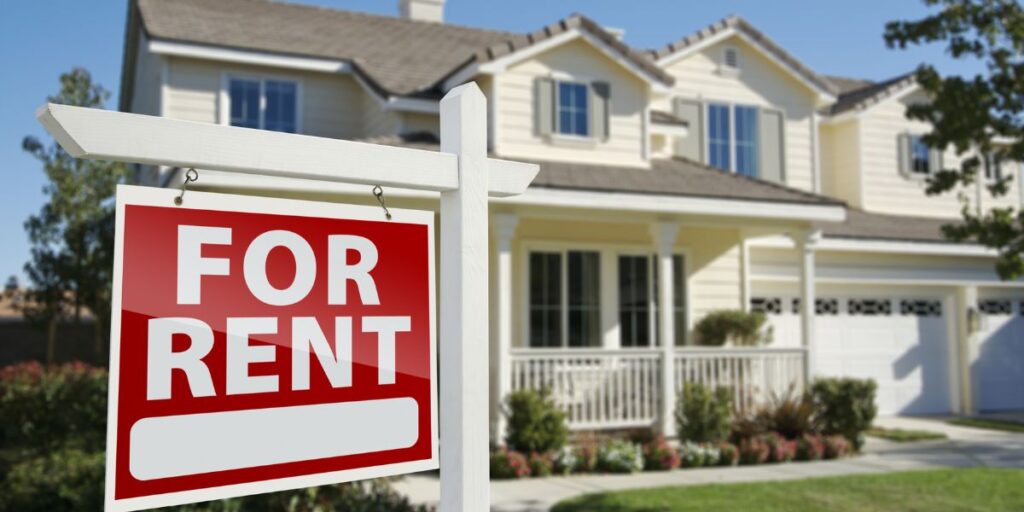
Are you wondering whether it’s smarter to rent versus sell your house? Especially if your listing’s still lingering without any buyer traction, it’s a pressing question. You’re not alone—more homeowners are weighing that choice, often landing in the role of “accidental landlord.” Here’s everything you need before making that leap.
What Is an “Accidental Landlord”?
An accidental landlord is someone who didn’t intend to lease out their home but ended up doing so—usually because their house isn’t selling at the price they want. According to Realtor.com, a surge in delistings—up 47% in May nationwide—reflects sellers reluctant to budge on pricing and shifting toward renting instead.
In places like Houston, Dallas, Tampa, and Phoenix, homes that failed to sell are increasingly headed to the rental market. In short: selling calmed, but rental demand is still solid—making the alternative compelling.
Why Now? What’s Driving This Trend
Several factors are fueling the rent versus sell your house debate:
-
Locked-in Low Mortgage Rates
Many sellers secured historically low rates during the pandemic. Instead of giving that up, they’re renting their homes to hold on—just like one couple in Concord, CA, who kept their 2.65% rate and rented out the home, covering mortgage and gaining income. -
Housing Market Slowdown & High Rates
Rising interest rates have cooled sales. Buyers face affordability challenges, so sellers often face stale listings. Renting becomes a fallback when lowering price isn’t appealing. -
Rental Demand Remains Strong
The rental market is tight, especially for single-family homes. That makes renting out a home easier and potentially more lucrative.
Pros & Cons of Renting vs Selling Your House
Pros of Renting
-
Steady Monthly Income
Even renting part-time or full-time can cover your mortgage—and with high demand, income might even turn into a profit. -
Keep Low Interest Rate
If you’re sitting on a fantastic mortgage rate, renting preserves that benefit while the market improves. -
Equity Growth Continues
As long as rent covers costs, you’re still building equity in the property. -
Flexibility to Return
If your move is temporary, renting keeps the option open to return without hunting again.
Cons of Renting
-
Responsibility of Being a Landlord
Late-night maintenance calls, tenant issues, rent tracking—being a landlord is far from hands-off. -
High Costs & Risk of Vacancies
Insurance, maintenance, vacancies, management fees (often ~10%), plus potential legal or HOA issues all add up. -
Possible Legal or Loan Violations
Renting when your mortgage requires owner occupancy can risk loan terms or tax credits being undone. -
New Landlord Learning Curve
Accidental landlords often don’t have systems or expertise—making hiring a property manager a necessity, but costly.
When Renting Makes Sense (& When It Doesn’t)
Consider Renting If:
-
You’re emotionally or strategically tied to your low mortgage rate.
-
Your move is temporary, or you’re not ready to commit to selling yet.
-
Your local rental market is strong—with healthy rents and low vacancy.
-
You’re prepared to manage (or hire someone to manage) rental responsibilities.
Consider Selling If:
-
You need cash quickly (for another purchase, relocation, etc.) and can’t wait.
-
You don’t want to juggle landlord responsibilities or financial risks.
-
Your home could net a solid profit now—or if equity is your priority.
-
You’d rather avoid complications of loan terms, HOA rules, or landlord laws.
How to Decide: A Simple Framework
-
Crunch the Numbers
-
Estimate potential rent vs current mortgage + expenses. Bankrate suggests budgeting ~1% of home value yearly for maintenance.
-
Factor in vacancies and management fees too.
-
-
Explore Your Local Market
-
Are rentals in demand? How long do similar homes stay vacant?
-
What are sale comparables? Could a pricing strategy refresh boost offers?
-
-
Evaluate Your Situation
-
Emotional: Do you want to keep the home or simplify your life?
-
Practical: Can you manage from afar? Do you plan to return?
-
Legal / Financial: Check loan terms, HOA rules, tax implications.
-
-
Seek Professional Guidance
-
Talk to your agent to revisit pricing, relist strategy, comps.
-
If leaning toward renting, talk to a property manager for realistic income projections and compliance support.
-
What Experts & Real Owners Are Saying
A homeowner Chris shared a clear example: with a 2.65% rate, the $3,200 rent more than covered the $1,670 mortgage—including profit for his new, larger home. But he also warns: “Being a landlord comes with legal, maintenance, and tenant risks”.
Professionals agree: “Accidental landlords are reshaping the rental market,” adding inventory for renters—and signaling demand even as sales slow. In markets like Colorado, property managers report that homeowners turned landlord out of necessity, not planning—but they need help navigating it.
SEO Insight: Why “rent versus sell your house”
“Rent versus sell your house” is a high-intent, long-tail keyword: it reflects the dilemma many homeowners currently face. Sprinkling it in headers and transitions helps search engines—and your readers—spot relevance.
Key Takeaways
| Decision | Pros | Cons |
|---|---|---|
| Rent Your House | Keep low rate, way to profit, flexible future | Landlord headache, legal risk, vacancies, costs |
| Sell Your House | One-time profit, cash in hand, less stress | No future equity, selling market challenges |
-
If staying put means holding on the low mortgage rate and rental demand is high, renting may be smart.
-
But if you need the cash now, want no headaches, or your home could sell profitably, selling might be best.
Final Word
So—rent versus sell your house? There’s no one-size-fits-all answer. The right move depends on your finances, market, and appetite for responsibility. On one hand, renting can turn your stalled listing into steady income while preserving equity. On the other, selling may finally free your time and wallet from the stress of being an “accidental landlord.”
Bottom line: weigh your numbers, understand your market, and lean on your real estate expert for strategy. Pause before renting out your home just because it didn’t sell fast—there might be better ways forward.