
Seminole County keeps showing up on buyer shortlists for a reason — top-ranked schools, mature neighborhoods, and genuine proximity to Orlando without Orange County price tags. Among its most established cities, Sanford and Longwood are the two names that surface most consistently.
Both sit within the same county, share the same school district, and offer something increasingly rare in Central Florida: real community identity built over decades rather than engineered by a master developer. But they are not the same city, and the differences matter for buyers trying to make a clear-eyed decision in 2026. This guide breaks down what each city actually offers — character, housing market, schools, commute, and day-to-day lifestyle — so you can match the city to your life rather than the other way around.
Getting to Know Each City — History, Character, and Community Feel
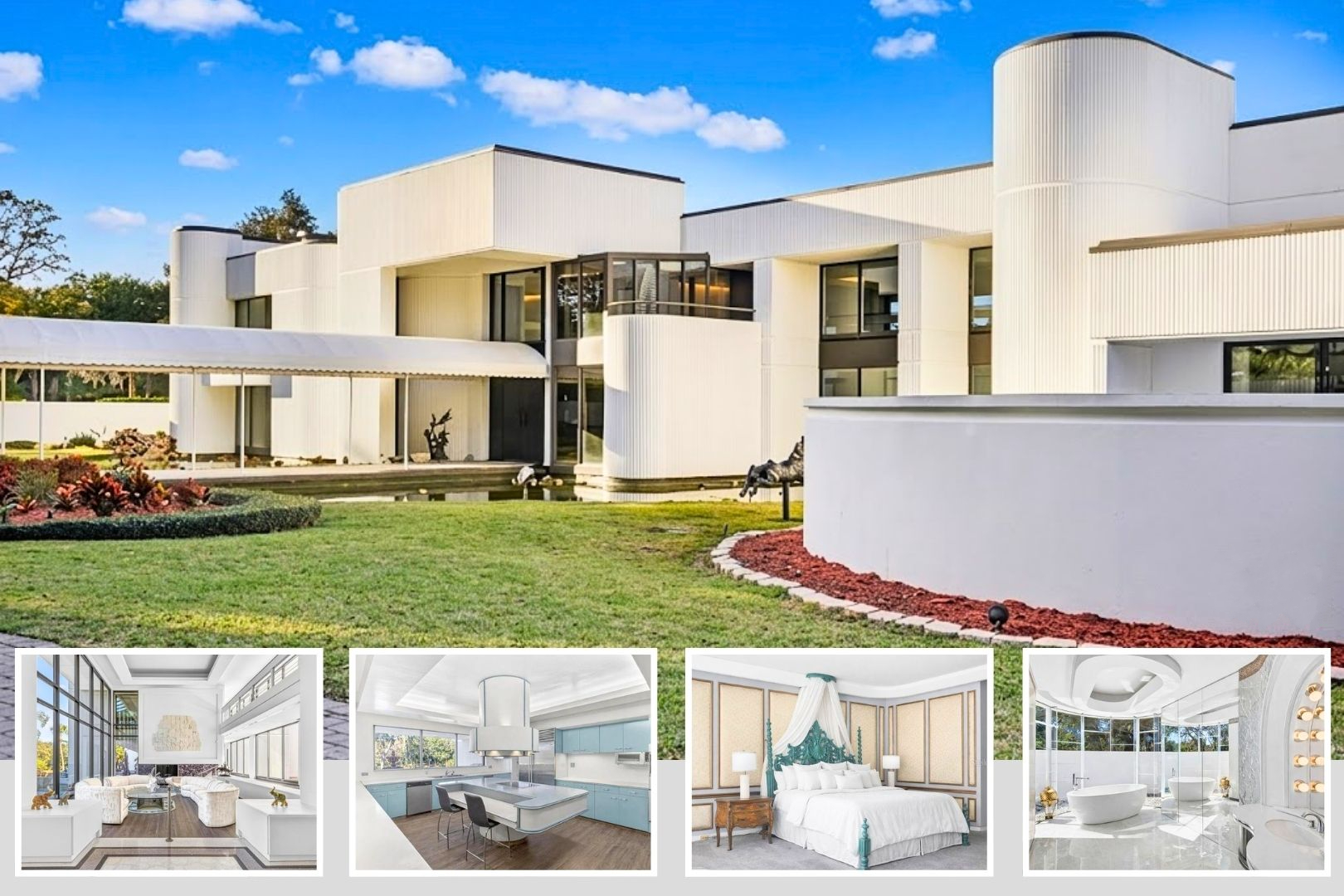
Sanford: The County Seat with a Downtown Pulse
Sanford is Seminole County’s oldest and geographically largest city, founded in the 1870s along the southern shore of Lake Monroe. That origin matters, because it gave Sanford something most suburban Florida cities never had: a real downtown built at human scale before the automobile defined everything.
Historic Downtown Sanford, concentrated along First Street and Magnolia Avenue, has evolved into one of Central Florida’s more authentic small-city corridors. A few anchors worth knowing:
- Hollerbach’s Willow Tree Café — a German dining institution operating since 2001
- Jax 5th Avenue Deli — a consistent draw for the daytime crowd
- Wop’s Hops Brewing — part of a craft beer scene that fits the city’s independent-business identity
- Wayne Densch Performing Arts Center — live theater and rotating performances drawing audiences from across the county
Beyond downtown, Sanford spans a genuinely wide range of neighborhood types. The Historic District offers Craftsman bungalows and century-old homes on tree-lined streets. Riverwalk Park and Fort Mellon Park along Lake Monroe provide waterfront access, walking paths, and sweeping views of the St. Johns River system — the kind of natural amenity newer suburbs simply cannot manufacture.
The Central Florida Zoo & Botanical Gardens sits just north of downtown on US-17/92, adding a family anchor that residents claim as their own. Sanford also sits at the northernmost terminus of the SunRail commuter rail line — a transit infrastructure asset that no other city in this comparison can match. With a population of approximately 58,000–60,000 residents, Sanford is by a wide margin the largest incorporated city in Seminole County, and its scale shows in the breadth of what it offers.
Longwood: Quiet, Wooded, and Consistently Suburban
Longwood was incorporated in 1901 and has spent the decades since becoming exactly what many buyers are looking for: a calm, well-established suburban city with mature oak canopy, stable neighborhoods, and a lifestyle that doesn’t require navigating downtown energy to find a quiet evening.
Located between Altamonte Springs to the south and Lake Mary to the east along the US-17/92 and SR-434 corridors, Longwood occupies a convenient central position in the county without announcing itself loudly. Its population of approximately 14,000–15,000 residents reflects a compact footprint — smaller and more intimate, and that character is both intentional and appealing to the buyers it draws.
The Longwood Historic Village along W. Warren Avenue offers a genuine nod to the city’s past. Christ Episcopal Church, one of the oldest structures in Seminole County, anchors a modest historic district that longtime residents take quiet pride in. Commercial activity concentrates along US-17/92 and SR-434, making Longwood a reliable everyday-convenience landscape rather than a destination corridor.
Reiter Park serves as the recreational heart of the community — youth sports fields, a splash pad, and open green space provide a well-maintained hub for family life. Big Tree Park remains a notable natural landmark; though the famous Senator cypress was lost to fire in 2012, the park continues to draw visitors to its remaining significant cypress trees, including The Lady Liberty. For buyers who want established greenery, consistent neighborhood quality, and a quieter pace without sacrificing proximity to everything Seminole County offers, Longwood fits that profile cleanly.
The Housing Market — What Buyers Are Actually Finding in 2026
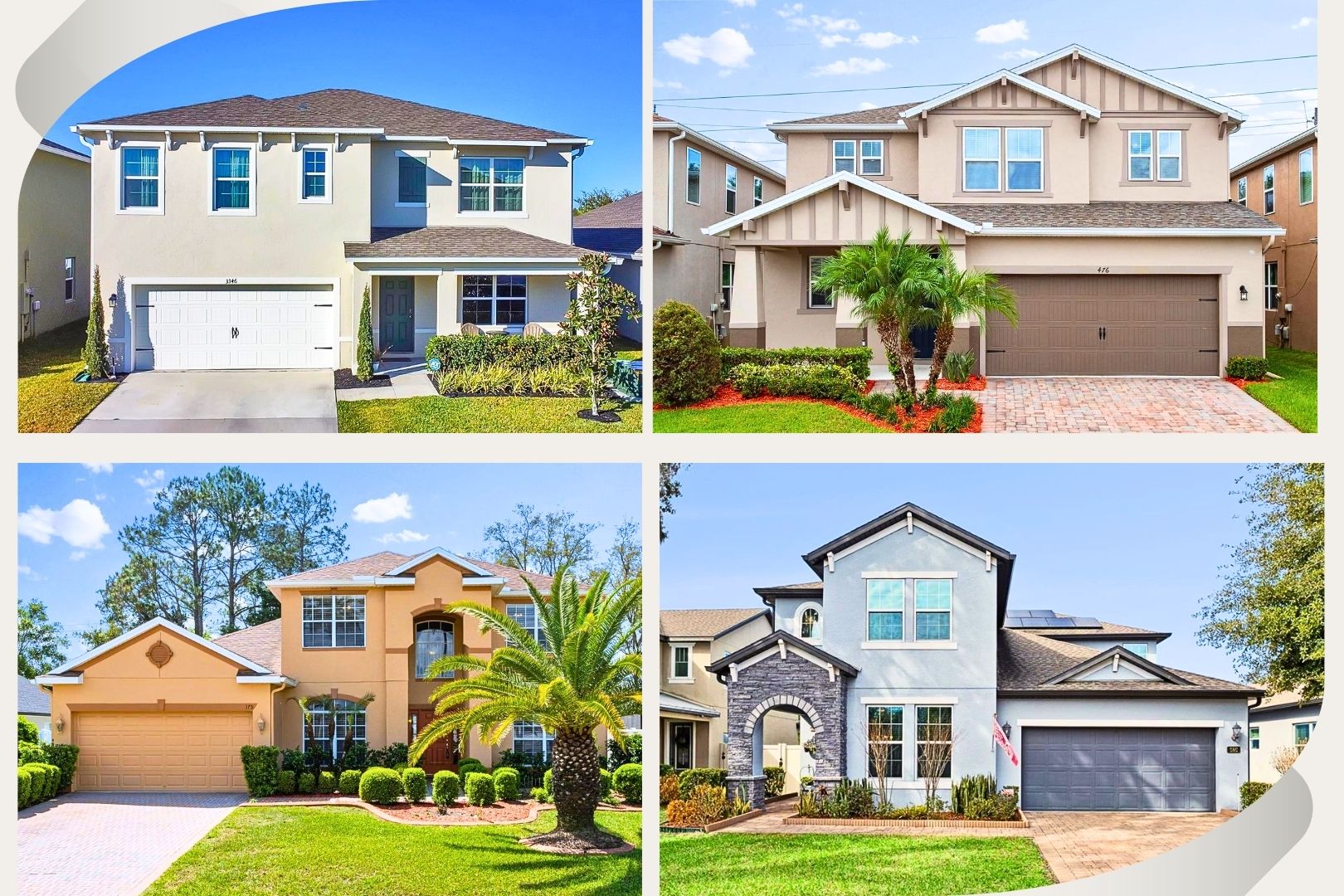
Sanford Home Prices and Inventory
Sanford’s housing market reflects its geographic and demographic range. At the lower end, older subdivisions and transitional blocks offer genuine entry-level opportunities that are increasingly difficult to find anywhere in Seminole County. At the upper end, lakefront properties and fully renovated historic homes command prices that rival far more prominently marketed communities.
$315,000–$360,000 — Sanford’s median home price range in recent market data, spanning significant property-type variation. Source: Orlando Regional REALTOR® Association Monthly Market Statistics, 2024–2025
That variability is both a feature and a consideration. More opportunity exists at multiple price points, but more due diligence is required at the neighborhood level. A block in the Historic District and a block in a mid-century subdivision on the city’s western edge are not the same investment — and buyers should approach them accordingly.
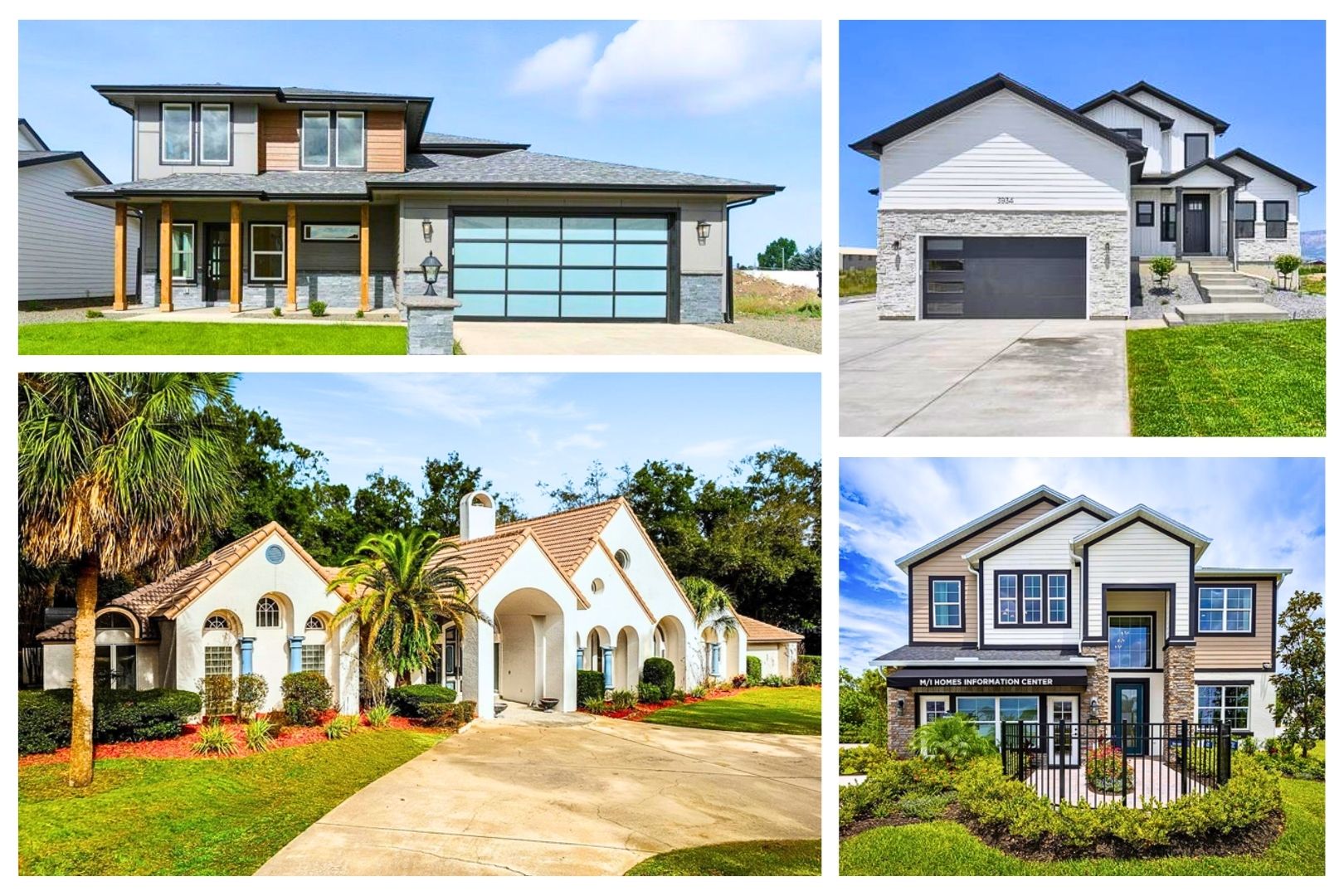
Well-priced, move-in-ready properties in Seminole County have generally spent approximately 35–50 days on market in recent periods, and Sanford’s revitalized neighborhoods tend to fall in the competitive portion of that range. Buyers should expect a mix of historic renovations, 1960s–1980s ranch-style homes, and newer construction near the SR-417 and SR-46 interchange corridors. Inventory has loosened compared to 2021–2022 conditions, giving buyers more room to evaluate carefully — while still requiring prompt action on standout properties.
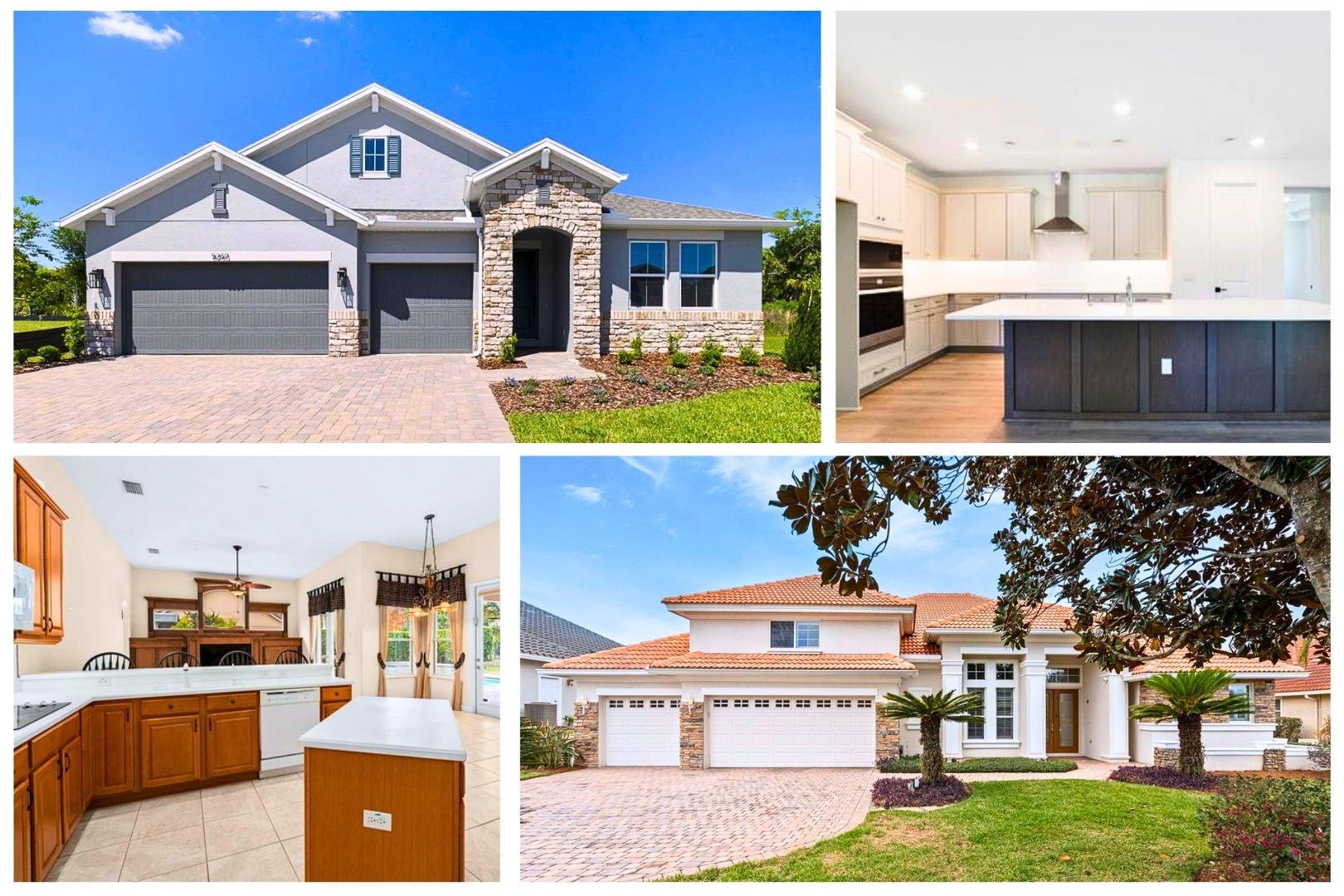
Longwood Home Prices and Inventory
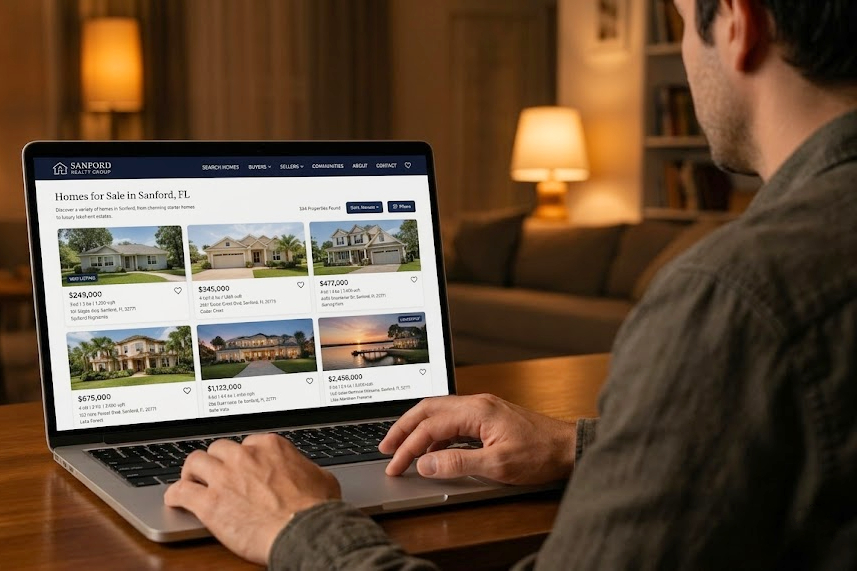

Longwood’s market trades in a tighter, more consistent price band. The city’s smaller footprint, established subdivision character, and lower neighborhood-level variability mean fewer distressed opportunities at the low end — but also fewer surprises in either direction.
$370,000–$430,000 — Longwood’s median price range for established subdivisions, often trading above Sanford’s median despite Sanford’s premium properties, because Sanford’s wider price variance pulls its overall median down. Source: Orlando Regional REALTOR® Association Monthly Market Statistics, Longwood ZIP codes 32750/32779, 2024–2025
Buyers who value pricing consistency often find that dynamic a feature rather than a limitation. Turnover in well-established family-oriented subdivisions near the Lake Mary High School zone tends to be lower, meaning inventory is typically tighter and demand from family buyers remains steady. Hesitation on a well-positioned listing tends to cost offers.
The Seminole County market overall has seen months of supply rise toward 3–4 months in recent periods — still favoring sellers by traditional definition, but meaningfully more balanced than pandemic-era conditions.
Schools, Parks, and Family Infrastructure

Photo Credit: https://www.scps.k12.fl.us/
Schools
Both Sanford and Longwood fall entirely within Seminole County Public Schools, consistently ranked among the top five public school districts in Florida by the Florida Department of Education — a distinction maintained reliably across multiple accountability cycles. SCPS serves approximately 62,000–65,000 students across 65-plus schools and posts graduation rates that consistently exceed the state average.
Top 5 in Florida — Seminole County Public Schools’ consistent ranking among Florida’s 67 school districts by overall performance metrics. Source: Florida DOE District Accountability Reports, 2022–2023
That shared foundation matters enormously for buyers comparing these two cities. You are not choosing between school systems. You are choosing between specific school zones within the same exceptional district.
In the Sanford area, Pinecrest Elementary and Seminole High School (2701 Ridgewood Ave) serve northern Seminole zones. In the Longwood area, Woodlands Elementary and Rock Lake Middle School serve central Seminole zones, and many Longwood neighborhoods carry assignments to Lake Mary High School (655 Longwood Lake Mary Rd) — one of the most sought-after high school assignments in the county, consistently earning an “A” grade from the Florida DOE. For family buyers where a specific high school zone drives the decision, Longwood’s proximity to Lake Mary High School is a practical and meaningful differentiator. Always verify current zone assignments directly with Seminole County Public Schools at scps.k12.fl.us, as boundaries are subject to change.
Parks, Recreation, and Outdoor Life
Sanford’s outdoor infrastructure is anchored by its waterfront. Riverwalk Park and Fort Mellon Park along Lake Monroe offer walking paths, open lawn, boat ramp access to the St. Johns River chain of lakes, and views that most suburban cities can only approximate. The Central Florida Zoo & Botanical Gardens on US-17/92 provides an unexpected and well-loved family resource just north of the city proper.
In Longwood, the Seminole Wekiva Trail runs through the community and connects to the broader Seminole County trail network for cycling, walking, and running. Big Tree Park remains a meaningful natural destination — the park draws visitors for its remaining significant cypress trees and wooded setting, offering the kind of place that shows up on lists of Central Florida’s more distinctive outdoor experiences. Soldiers Creek Park adds fishing, nature trails, and a quieter woodlands experience for residents who want it.
Both cities are well-served for outdoor life. Sanford’s waterfront edge, however, gives it a distinct advantage for buyers who rank water access near the top of their priorities.
Commute, Connectivity, and Getting Around
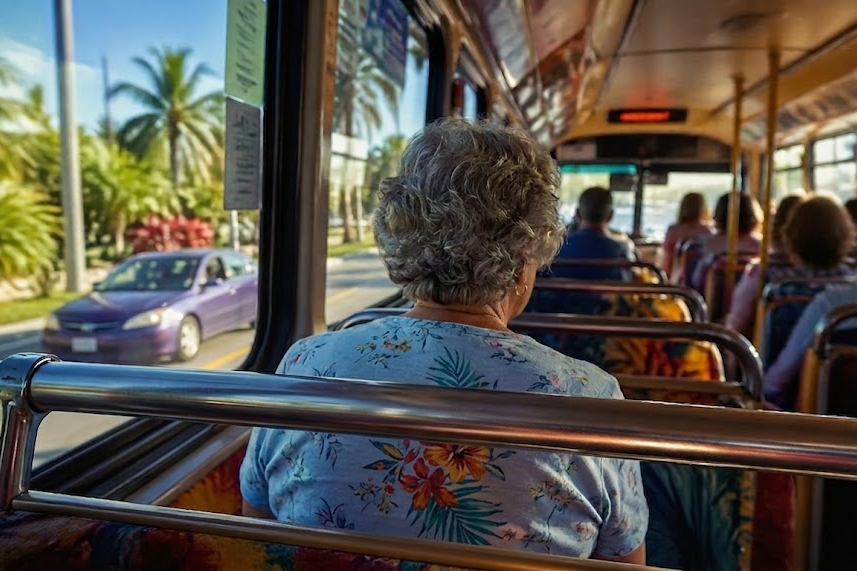
Both cities offer strong I-4 access — Sanford via the SR-46/I-4 interchange to the north, Longwood via exits serving SR-434 — putting both cities roughly 25–40 minutes from downtown Orlando under typical conditions. The honest caveat: I-4 congestion, particularly southbound during weekday morning peak hours, is a real factor that deserves firsthand experience before committing to a long-term commute from either city.
Sanford’s SunRail station — at the northernmost end of the commuter line — is a genuine differentiator for buyers who commute south toward Church Street, Sand Lake Road, or the tourism and convention corridor. That car-free option changes the daily commute calculus in a way Longwood simply cannot replicate.
Longwood’s central position, by contrast, puts it within easy reach of the Lake Mary technology and professional services corridor along Greenway Boulevard — home to major employers across financial services, healthcare, and technology sectors — a practical advantage for buyers whose jobs concentrate in that direction. Orlando Sanford International Airport (SFB), serving approximately 2–2.5 million passengers annually in recent periods, is a convenient travel asset for Sanford-area residents looking to avoid the traffic friction of MCO. Sanford’s eastern neighborhoods also benefit from proximity to SR-417 as an alternative southbound route for buyers looking to bypass I-4 entirely.
Pro Tip: Before committing to either city, drive your actual commute route during peak morning hours on a weekday — not a Saturday afternoon. I-4 southbound behavior during rush hour is the variable most buyers underestimate until they’ve lived it.
Lifestyle, Dining, Shopping, and Local Culture
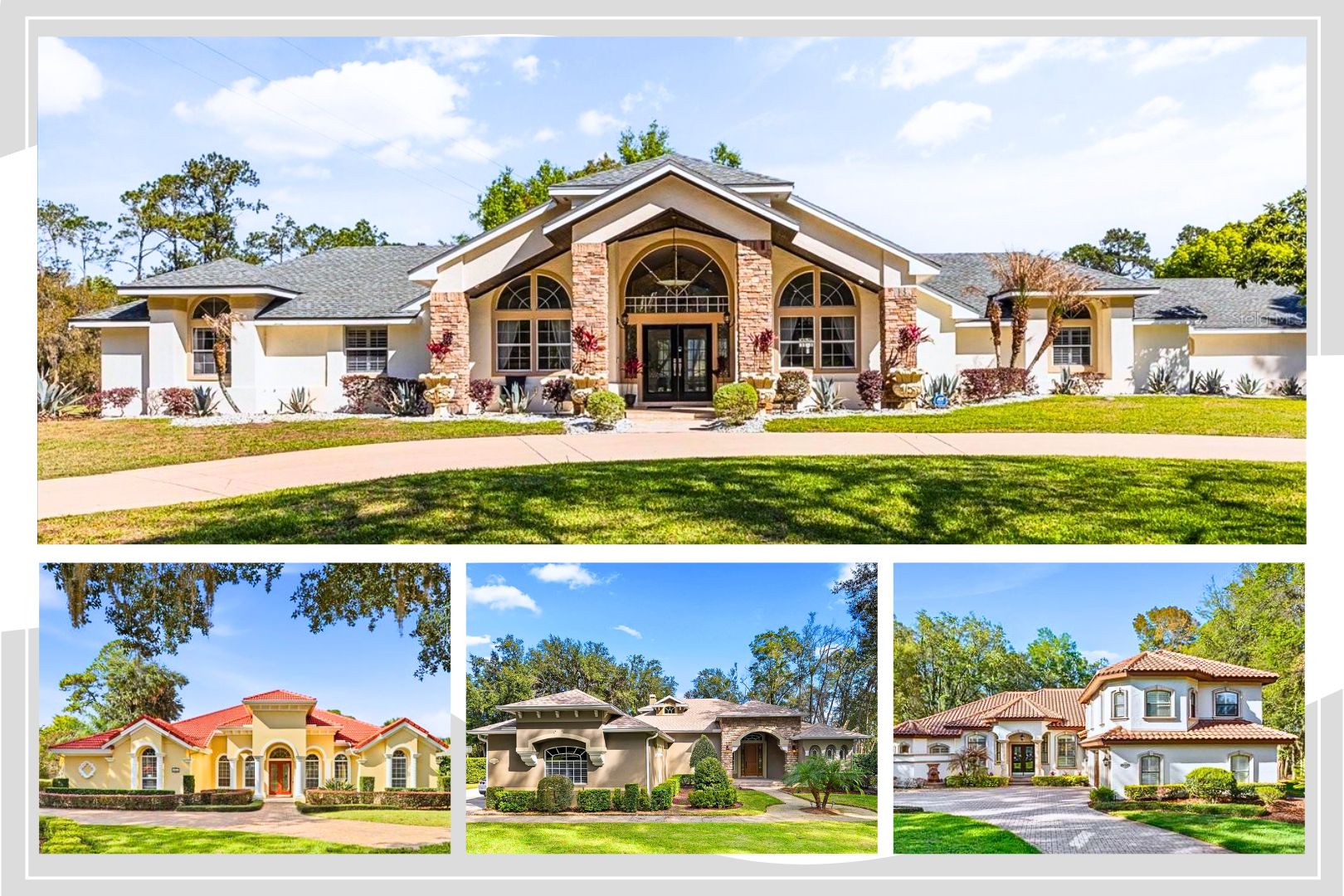
Sanford’s Growing Local Scene
Downtown Sanford’s First Street corridor has earned its reputation as one of Central Florida’s better examples of authentic small-city revitalization. The dining and entertainment scene skews independent and locally owned rather than chain-dominated — a quality-of-life distinction that becomes obvious on a Friday evening walk through the district.
Hollerbach’s, Jax 5th Avenue Deli, Wop’s Hops, and The Tennessee Truffle represent a range of experiences from casual to refined, all within a few walkable blocks. The weekend farmers market along the waterfront and a well-established antique district give the area a texture and energy that chain-dominated suburban corridors simply cannot replicate. For buyers whose daily life includes walkable dining, locally owned businesses, and a city that feels genuinely inhabited, Sanford delivers.
Longwood’s Everyday Convenience
Longwood’s SR-434 and US-17/92 corridors are practical, well-served, and reliable. Grocery anchors, medical facilities, fitness centers, and everyday retail are accessible without significant drives. Stonewood Grill & Tavern on SR-434 represents the kind of quality neighborhood dining that Longwood residents rely on without requiring a trip to a curated downtown district.
The broader Altamonte Springs commercial area to the south gives Longwood residents proximity to major retail and dining without those things defining the city’s identity. The City of Longwood runs consistent community programming through Reiter Park, building a neighborhood fabric that matters quietly but meaningfully to families with young children. Longwood doesn’t offer Sanford’s walkable downtown energy — and for its core buyer profile, it doesn’t need to.
Pro Tip: Visit both cities on a weekend morning before making a final call. Grab breakfast on Sanford’s First Street, then swing by Reiter Park in Longwood. The difference in energy is immediate — and it will tell you more about fit than any market stat.
So Which City Is Right for You? A Buyer’s Framework
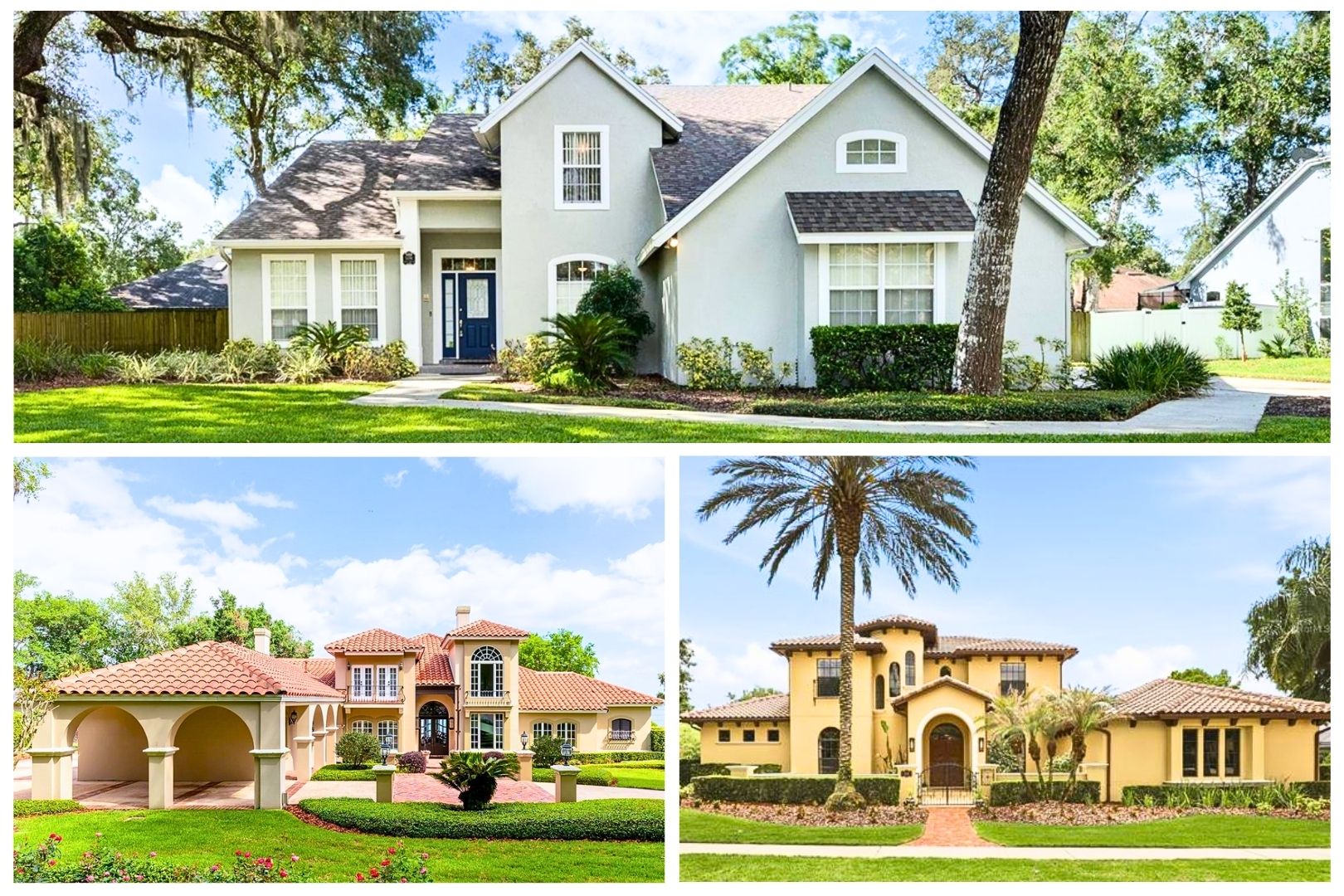
The most direct answer to the Sanford-versus-Longwood question is that it depends entirely on which trade-offs feel like features rather than concessions. Here’s a clean breakdown:
| Priority | Better Fit |
|---|---|
| Walkable downtown and local dining scene | Sanford |
| Lake Monroe waterfront access | Sanford |
| SunRail commuter access southbound | Sanford |
| Entry-level price flexibility | Sanford |
| Quiet, consistent suburban character | Longwood |
| Lake Mary High School zone proximity | Longwood |
| Lake Mary employment corridor access | Longwood |
| Predictable mid-range pricing | Longwood |
On budget, both cities offer real value relative to comparable Seminole County communities like Lake Mary or Oviedo, with the county’s overall median tracking near $400,000 in recent periods. Seminole County’s homeownership rate of approximately 65–68% — above the national average of 65.7% per U.S. Census Bureau data — reflects the sustained demand that benefits both cities long-term.
Neither city is a speculative play. Both have genuine fundamentals — strong schools, sustained demand, and real community identity — supporting continued buyer interest through 2026 and beyond. The buyer who tours both cities with clear priorities tends to find their answer quickly.
Frequently Asked Questions
Is Sanford or Longwood more affordable for homebuyers in 2026?
Both cities offer real value within Seminole County, but they express it differently. Sanford’s wider price spectrum means genuine entry-level opportunities exist alongside premium lakefront and historic district pricing, with median sale prices generally in the $315,000–$360,000 range in recent data. Longwood trades in a tighter, slightly higher band — often $370,000–$430,000 for established subdivisions — with less variability at the low end. Buyers prioritizing entry-level access or a broader range of price points may find more flexibility in Sanford; buyers seeking consistent mid-range pricing with fewer neighborhood-level variables often find Longwood more predictable.
Are the schools better in Sanford or Longwood?
Both cities fall within Seminole County Public Schools, one of Florida’s top-ranked districts, consistently earning an “A” district grade from the Florida Department of Education and placing among the top five of Florida’s 67 school districts by overall performance metrics. The more meaningful question is which specific school zones apply to a given property. Longwood’s proximity to the Lake Mary High School zone — among the county’s highest-rated assignments — is a notable draw for families. Buyers should verify current zone assignments at scps.k12.fl.us for any specific address, as boundaries can shift.
Does Sanford flood? What about Longwood?
Both cities contain a mix of properties inside and outside FEMA-designated flood zones, and generalizing at the city level is not sufficient for a purchase decision. In Sanford, properties near Lake Monroe, the St. Johns River system, and adjacent low-lying areas warrant particularly careful flood zone review — the waterfront access that makes Sanford attractive also creates flood exposure that must be assessed individually. In Longwood, flood risk is generally lower for properties away from drainage corridors, but individual parcel review remains essential. For any property under consideration, buyers should request a formal flood zone determination, review current FEMA flood map data, and obtain flood insurance estimates before making an offer.
Is Longwood a good place to raise a family?
Longwood has a well-earned reputation as one of Seminole County’s most family-oriented communities. Established and stable neighborhoods, consistent suburban character, strong school zone positioning including proximity to Lake Mary High School, and well-maintained parks like Reiter Park and Big Tree Park create a reliable quality-of-life infrastructure for families with children. Florida Department of Law Enforcement crime data indicates Longwood’s crime rates fall below state averages for cities of comparable size, a reflection of its stable residential character. The quieter pace and lower commercial intensity are frequently cited by residents as deliberate advantages rather than limitations.
How far is Sanford from downtown Orlando?
Under typical traffic conditions, Sanford is roughly 30–40 minutes from downtown Orlando via I-4 southbound. However, I-4 congestion during weekday morning peak hours is a real and variable factor that buyers should experience firsthand before committing to a daily commute. The more compelling option for many Sanford-area buyers is the SunRail commuter rail line, connecting Sanford’s downtown station to stops including Church Street in downtown Orlando, Sand Lake Road, and points south. For commuters whose employment falls near a SunRail stop, this is a practical car-free alternative that meaningfully changes the daily commute equation.
Is Sanford’s downtown safe and worth the hype?
Sanford, like most cities of comparable size and history, contains neighborhoods with varying conditions — and buyers should approach that reality with clear eyes. Florida Department of Law Enforcement data indicates that Sanford’s city-wide crime statistics run above the state average for cities of its size, a reality shaped heavily by specific neighborhoods rather than uniform conditions across the city. The Historic Downtown corridor along First Street has seen substantial private and public investment over the past decade, resulting in a genuinely revitalized district with strong foot traffic and an active events calendar. Other parts of Sanford are still in various stages of transition. The most useful approach is to tour specific neighborhoods in person, at different times of day, and review current local FDLE data directly rather than relying on city-wide averages.
Conclusion
Sanford and Longwood are not interchangeable options on a search filter — they are distinct cities with distinct personalities that happen to sit within the same exceptional county. Sanford offers historic character, Lake Monroe waterfront access, a walkable and genuinely local downtown, and SunRail connectivity in a package no other Seminole County city replicates. Longwood offers consistent suburban comfort, a mature and quiet residential character, strong school zone positioning near Lake Mary High School, and reliable everyday convenience for buyers who value stability over spectacle.
Both represent genuine value in Seminole County’s 2026 market, and both have the fundamentals — strong schools, sustained demand, and real community identity — that support long-term confidence in the purchase. The right choice isn’t the objectively better city. It’s the one that fits your actual priorities when you’re clear-eyed about how you want to live day to day.
Buyers who tour both cities with a defined set of priorities tend to find their answer quickly — and with real conviction once they do. If you’d like help navigating your search, comparing specific neighborhoods, or understanding what’s currently available in either market, feel free to reach out to our team. We’re glad to help you find the right fit.