

Orlando sellers who price their homes based on 2022 assumptions are leaving money on the table — or worse, watching their listings sit. Spring 2026 brings real buyer momentum to neighborhoods from Baldwin Park to Dr. Phillips, but this market rewards strategy, not nostalgia.
The Orlando market remains fundamentally healthy — driven by consistent population growth, a diversifying job base, and year-round demand that most northern metros cannot match. But inventory has risen, buyers have more choices, and interest rate sensitivity has shifted the balance enough that pricing strategy is now the single most important decision you will make before listing. This guide is written specifically for Orlando sellers who want to enter spring 2026 with a clear, grounded plan: how to price your home to attract serious buyers, protect your equity, and move through the transaction without the costly detours that come from getting the number wrong at the start.
Understanding Orlando’s Spring 2026 Real Estate Landscape
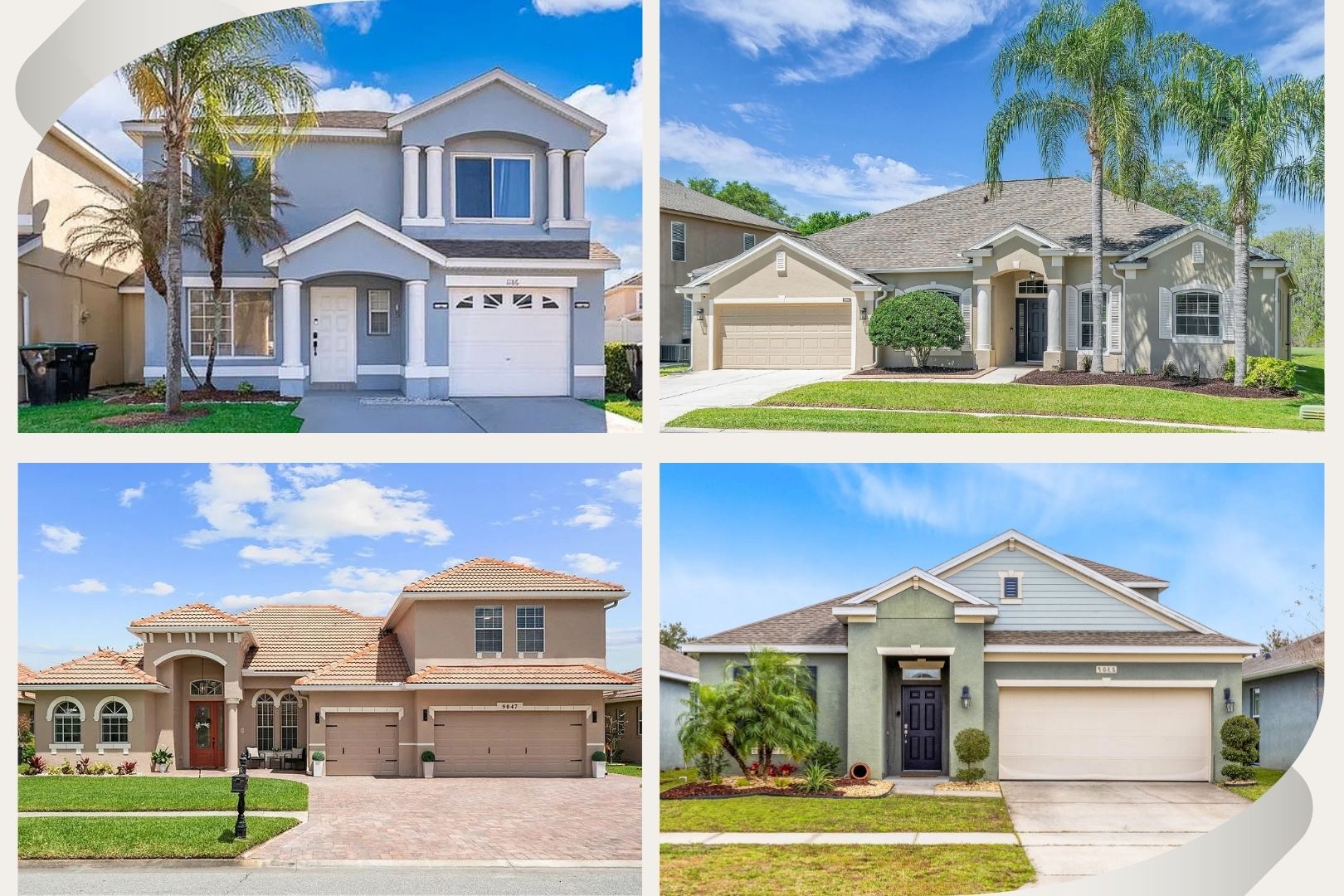

Why Spring Is Still the Power Season for Orlando Sellers
Orlando’s spring selling season typically begins building momentum in February and hits its stride from March through May. Because Central Florida’s climate is livable year-round, the buyer pool never fully disappears — it deepens in spring. Relocating professionals, out-of-state buyers touring communities during school breaks, and snowbirds who have spent months scoping neighborhoods all converge on the market during this window.
Florida’s net domestic in-migration peaked at approximately 318,000 in 2022 according to IRS migration data. While that pace moderated in 2023 and 2024, the Orlando metro continued capturing a meaningful share of inbound residents driven by job relocations, remote work migration, and lifestyle factors.
~318,000 — Florida’s peak net domestic in-migration figure in 2022, per IRS migration data. The Orlando metro has consistently captured a meaningful share of those inbound residents.
Neighborhood-level demand reflects this well. Lake Nona continues to attract buyers drawn to its Medical City anchor — a campus home to tens of thousands of workers across institutions including UCF College of Medicine, Nemours Children’s Hospital, and UF Health Orlando. Oviedo and Baldwin Park draw families who have done their school research and arrive in spring ready to act before fall enrollment deadlines. Windermere and Dr. Phillips see luxury buyers who have been watching inventory for months and are prepared to move when the right home appears.
Spring is not a myth in Orlando. It is a genuine window of elevated buyer motivation that well-positioned sellers are right to target.
How the Market Has Shifted Since the Peak Years
Sellers need to walk into spring 2026 with clear eyes about where the market actually stands. Active listing inventory in the Orlando metro rose substantially from historic lows of under 2,000 listings during the 2021 and 2022 peak, with ORRA monthly market reports documenting a significant expansion of available supply through 2024 and into 2025.
Months supply of inventory moved closer to a balanced market compared to the extreme seller’s market of peak years — when supply fell below one month — with 2024 and 2025 figures trending toward balance according to Florida Realtors Research Division county market data. Median days on market extended meaningfully in early to mid-2025, up substantially from the sub-10-day averages buyers and sellers experienced at the peak, per ORRA market data.
20–25% — The annual price gains Orlando sellers saw in 2021 and 2022. Orange County median home prices showed only modest year-over-year increases in 2024 and 2025, a dramatic deceleration from those peak figures, according to Florida Realtors county market data.
This is not a distressed market. It is a correcting market, and there is a meaningful difference. Sellers who understand that distinction will price appropriately — and sell well.
The Biggest Pricing Mistakes Orlando Sellers Make in a Shifting Market


Anchoring to Your Neighbor’s 2022 Sale Price
This is the most common and most costly mistake sellers make entering a post-peak market. A comparable sale from 2021 or 2022 reflects a moment when inventory was near zero, multiple offers were the norm, and buyers were waiving inspections and contingencies. That moment is gone.
Using it as your pricing anchor sets you up to be overpriced relative to what buyers can realistically close on given today’s mortgage rates and the volume of competing inventory now available. In areas like Horizon West and Lake Nona, where new construction has continued to deliver product, the gap between peak resale pricing assumptions and today’s realistic values can be especially pronounced.
Pricing High to “Leave Room to Negotiate”
The logic sounds reasonable: list high, accept a lower offer, everyone feels like they won. In practice, it rarely works this way in a shifting market. Overpriced listings accumulate days on market quickly, and in Orlando’s buyer community — where shoppers are cross-referencing home search portals and active MLS listings simultaneously — a home sitting at 30 or 45 days without a contract becomes a red flag.
When the price reduction finally comes, buyers who might have made a fair offer on day one are now questioning what the extended market time means for the property. According to ORRA market trend data, homes that required price corrections in 2024 typically sold for less than a correctly priced home would have generated during its first two weeks on market — and the proportion of Orlando metro listings requiring at least one reduction rose noticeably compared to the peak years.
Accurate pricing from the start is not just philosophically sound — it is financially measurable.
Ignoring What New Construction Is Doing to Your Neighborhood’s Value
Builders in communities like Laureate Park, parts of Apopka, and throughout Horizon West are not just selling homes — they are offering competitive financing incentives including mortgage rate buy-downs and closing cost assistance that resale sellers cannot easily match without adjusting their pricing strategy.
The Orlando metro has consistently ranked among the top metros nationally for single-family housing permits in recent years, according to U.S. Census Bureau building permit survey data and NAHB annual rankings. That volume of new supply creates direct competition that resale sellers must price around, not ignore.
Pro Tip: Before setting your list price, research what builders in your area are offering buyers. If a new construction home nearby includes a rate buy-down worth $15,000–$20,000 in effective savings, your pricing needs to account for that competition — or your value story needs to clearly outpace it.
How to Conduct a Meaningful Comparative Market Analysis for Your Orlando Home
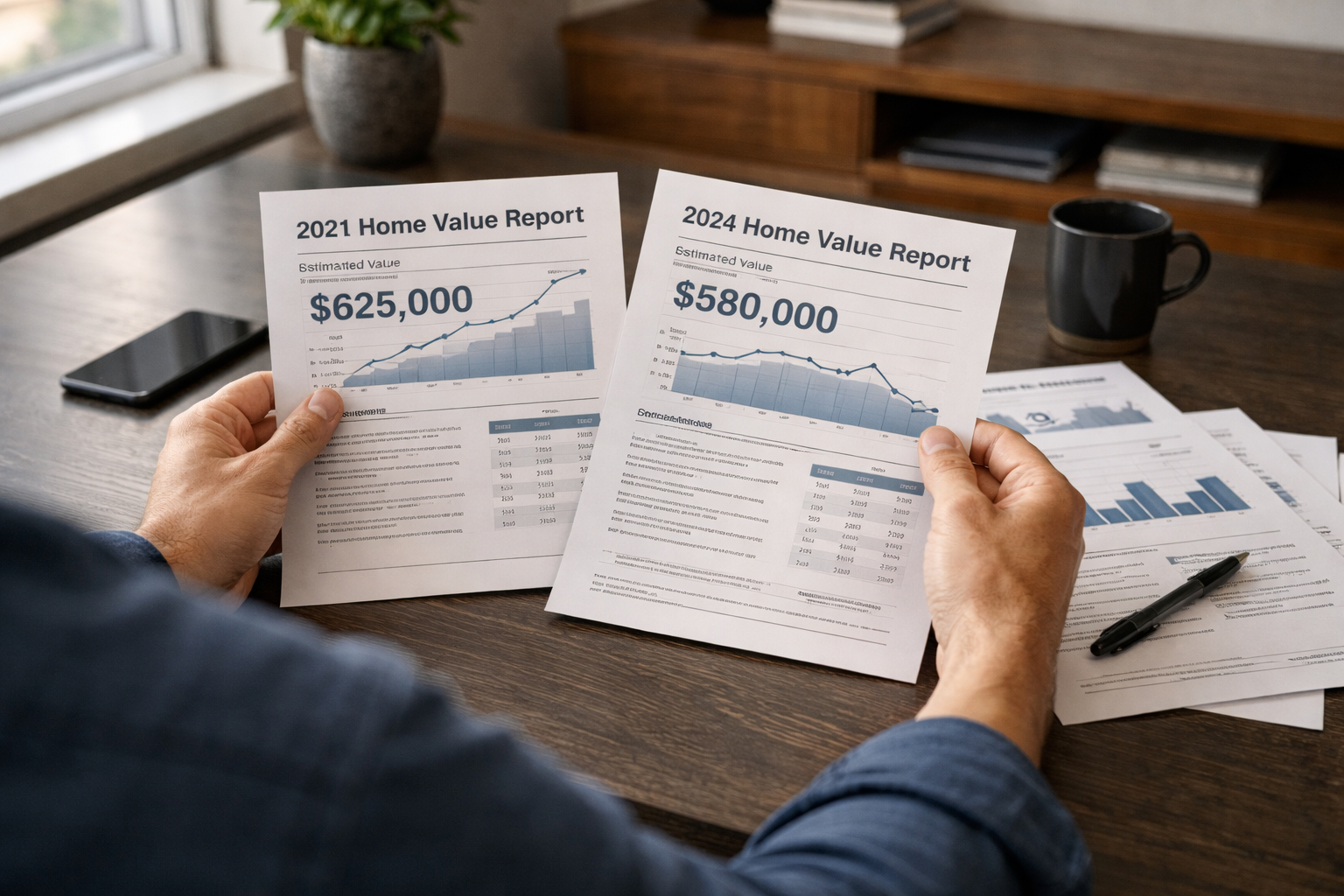

What Makes a Comp Valid in Today’s Orlando Market
A valid comp in spring 2026 means a home that sold within the past 90 days — not six months, and certainly not a year ago — in the same subdivision or immediately surrounding area, with similar square footage, condition, and feature profile. Published price-per-square-foot figures for Orlando metro single-family homes vary meaningfully by submarket, per Florida Realtors Research Division data:
| Submarket | Price-Per-Sq-Ft Trend | Key Pricing Notes |
|---|---|---|
| Winter Park | Higher end of metro range | Walkability, school premium, tight inventory |
| Dr. Phillips / Bay Hill | Higher end of metro range | Lifestyle and school district premium holds |
| Lake Nona | Mid-to-upper range | New construction competition is active |
| Baldwin Park | Mid-to-upper range | Strong neighborhood loyalty, comp-sensitive |
| Oviedo / East Orlando | Mid range | Rate-sensitive buyers, school-zone driven |
| Horizon West / Outer Suburbs | Lower end of metro range | High new construction volume depresses resale ceiling |
A College Park bungalow and a Metrowest townhome may share the same zip code but tell completely different pricing stories. Hyper-local is not a buzzword here — it is a necessity.
Adjusting for Active Competition, Not Just Past Sales
Closed sales tell you where the market has been. Active listings and pending contracts tell you where it is right now — which is exactly what buyers are seeing when they search. If four homes comparable to yours have been sitting active in your neighborhood for 35 days without going under contract, that is critical pricing intelligence. It tells you where buyers are drawing the line.
A strong CMA layers all three data sets — closed, pending, and active — and weights the most recent information most heavily. Buyers in the Orlando market are highly informed and thoroughly research their options before booking a single showing.
Online Estimates vs. Professional Pricing
Automated valuation tools have well-documented limitations in Orlando’s hyper-local market. A home backing to a conservation area near the Tibet-Butler Preserve corridor in Dr. Phillips and a home on a high-traffic road a half-mile away may share identical square footage — but command very different prices from actual buyers.
An automated valuation model cannot see the view, the noise level, the school zone assignment, or the buyer appetite within a specific subdivision. These tools are useful for a rough ballpark, but they are not a pricing strategy, and treating them as one is one of the more expensive mistakes a seller can make.
Pro Tip: Pull up your home on two or three automated valuation tools and note the range between them. A wide spread — say, $40,000 or more — is a signal that your property has features or location nuances the algorithm cannot price accurately. That gap is exactly why local expertise matters.
Pricing Strategies That Actually Work for Orlando Sellers This Spring


Strategic Positioning — Price to the Market, Not Your Mortgage
What you paid for your home, what you owe on it, and what you need to net are all understandable personal considerations — but they are invisible to buyers. Buyers are comparing your home to every competing option in their search bracket, and if your price does not reflect the market, they simply move on.
One of the most effective structural strategies in the mid-range Orlando market is bracket awareness. Listing at $499,900 instead of $510,000, for example, captures every buyer filtering up to $500,000 and can meaningfully increase showing volume in the critical first two weeks on the market. The Orlando metro median sold price for single-family homes was in the range of approximately $380,000 to $410,000 in early 2025 depending on the month and geographic definition, per ORRA monthly market data — which means the $350,000 to $550,000 range is highly active territory where bracket positioning has real impact.
The First Two Weeks Rule in the Orlando Market
A listing’s first fourteen days generate disproportionately high showing traffic, digital engagement, and offer potential. Buyers and their agents have saved searches configured and receive instant notifications the moment a new listing hits. That fresh-listing momentum fades quickly once days on market start accumulating.
Sellers in Winter Park, College Park, and Metrowest who price accurately from day one are far more likely to see competitive interest in that window than sellers who start high and plan to see what happens. The time to capture maximum buyer momentum is at launch — not after a price cut.
When a Strategic Price Correction Makes Sense
If your home reaches 21 to 30 days on the market without a serious offer, something in the strategy — most often the price — needs to change. The key is making a meaningful correction rather than a token one. A $2,000 reduction on a $475,000 home does not change buyer behavior.
A $15,000 to $20,000 adjustment, paired with refreshed marketing, updated photography if needed, and a re-launch push to buyer networks, can effectively reset the listing and re-attract buyers who passed the first time around.
Orlando Neighborhood Spotlights — How Demand Varies Across the Metro
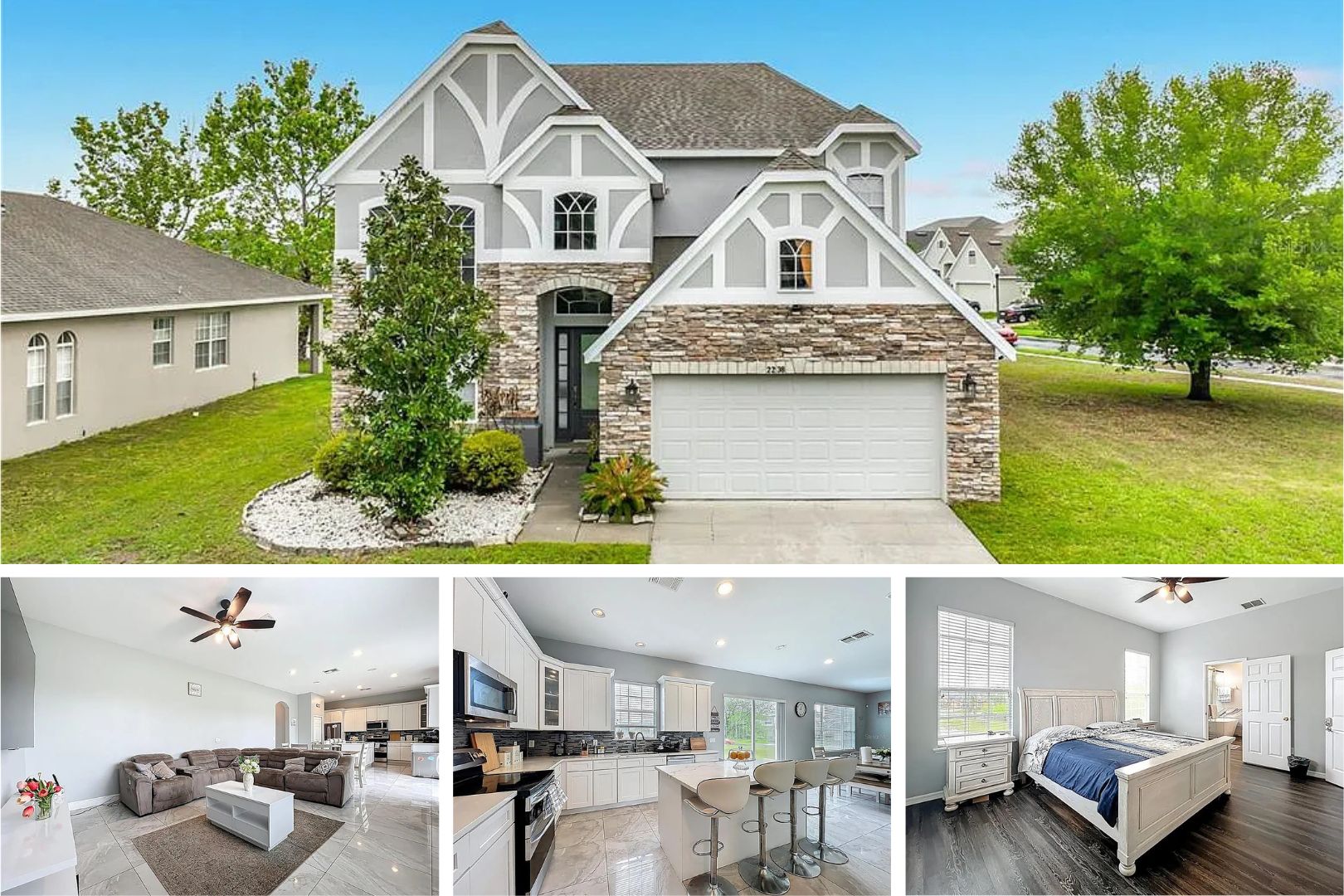

Every Orlando neighborhood tells its own pricing story. Sellers should understand the specific dynamics at play in their community before settling on a list price.
Winter Park continues to command some of the strongest price-per-square-foot premiums in the metro, driven by walkability along Park Avenue, top-rated schools, and tight resale inventory. The neighborhood’s character — anchored by locally beloved spots like Prato on Park Avenue and the tree-lined residential streets nearby — creates a genuine lifestyle premium that buyers pay for. Well-positioned homes here still see competitive activity, but buyers are discerning and value pricing accuracy.
Lake Nona presents a unique challenge for resale sellers because new construction remains active and builders are motivated. Resale homes need to clearly differentiate on value — lot position, upgrade level, proximity to the Medical City corridor — to compete effectively against move-in-ready new product with builder incentives attached.
Dr. Phillips and Bay Hill benefit from a lifestyle and school district premium that holds up well, and proximity to natural assets like the Tibet-Butler Preserve adds genuine appeal. Buyers in this segment are sophisticated, have done their homework, and will not overpay. Pricing must be sharp and supported by genuine neighborhood comps.
Baldwin Park is a community where buyers often have a strong emotional connection to the neighborhood’s character, parks, and the walkable retail and dining activity around the Village Center. That loyalty creates a pricing floor, but sellers should still stay within striking distance of recent community comps to convert interest into offers.
Oviedo and East Orlando draw a value-conscious, family-oriented buyer pool that is highly rate-sensitive. Orange County Public Schools consistently ranks among the largest school districts in the United States and serves a student population of 200,000 or more — and strong school zone assignments in these corridors are a measurable pricing driver. Buyers here are doing their math carefully and respond most readily to homes priced at or slightly below competing inventory.
College Park and Edgewater command urban premiums for walkability and neighborhood character. The proximity to Harry P. Leu Gardens, the Mills 50 District, and Lake Eola Park resonates with buyers who want lifestyle built into their location. But the buyer here is research-savvy, actively tracking inventory, and quick to recognize when a home is priced above what the current market will bear.
Working With a Local Orlando Agent to Nail Your Pricing Strategy
Everything in this guide can help you think more clearly about pricing, but execution requires local expertise that no article can fully replace. A knowledgeable Orlando agent brings real-time MLS access, visibility into pending and off-market activity, and firsthand knowledge of what buyers in your specific neighborhood are responding to right now — not nationally, and not based on data that is six months stale.
Orange County’s unemployment rate tracked in the mid-to-upper three percent range through much of 2024 into 2025, per Florida Commerce labor market statistics, reflecting a diversified local economy that supports continued buyer demand from employed residents and relocating professionals alike. That healthy employment backdrop is exactly the environment where a well-priced home finds its buyer.
One important consideration worth raising: in a shifting market, some agents are tempted to quote an inflated list price to win the listing, knowing they will recommend a reduction later. This approach costs sellers time, momentum, and often money. Choose an agent who prices honestly from the start, communicates the reasoning clearly, and has a marketing plan to support that number from day one. The combination of accurate pricing, strong presentation, and strategic promotion is what generates the best outcome for Orlando sellers this spring.
Frequently Asked Questions
What is the best time to list a home in Orlando, FL?
Late February through early May is historically the strongest window for Orlando sellers. Buyer activity is at its peak, families are motivated to close before the next school year, and relocating professionals are actively touring neighborhoods. The earlier in this window you can list a well-prepared, accurately priced home, the better your chances of capturing peak showing traffic and generating competitive offers.
How do I know if my Orlando home is overpriced?


The clearest signals are low showing volume in the first two weeks, showings without follow-up or offers, and direct feedback from agents citing price as the reason buyers passed. If comparable homes in your neighborhood are going under contract and yours is not, price is almost always the variable that needs examination first. A pattern of extended days on market relative to similar homes nearby is a strong indicator that an adjustment is needed.
How much has the Orlando real estate market changed since 2022?
Significantly. Active inventory in the Orlando metro has risen dramatically from the historic lows of the 2021 and 2022 peak. Median days on market have extended substantially from the sub-10-day averages that defined those peak years. Buyers now have the leverage to negotiate, request repairs, and compare competing options in ways that were nearly impossible in 2021 and 2022. The market remains healthy by historical standards, but the frenzy of the peak years is not the current reality.
Should I price my Orlando home below market value to attract multiple offers?
Pricing competitively within the realistic market range to generate strong first-week activity is a legitimate strategy in high-demand neighborhoods. Pricing dramatically below market, however, is rarely necessary in Orlando and can leave meaningful equity on the table. The goal is accurate positioning within the range the market supports — not artificial scarcity, and not pricing that undercuts your own net proceeds.
How does new construction affect the value of my resale home in Orlando?
In communities where builders remain active — Horizon West, parts of Lake Nona, and Apopka among them — new construction creates direct competition that resale sellers must account for when pricing. Builders offering mortgage rate buy-downs and closing cost assistance effectively reduce the buyer’s true cost of purchasing new, which means resale sellers need to either price accordingly or differentiate clearly on value, lot characteristics, location within the community, or unique features that new construction cannot replicate.
How long does it take to sell a house in Orlando in 2026?
It varies meaningfully by neighborhood, price tier, and pricing accuracy at launch. Well-priced homes in high-demand areas like Winter Park and Baldwin Park can still see serious offers within the first two weeks. Overpriced homes across the metro are sitting 45 to 60 days or longer before selling, and many require at least one price reduction before going under contract. The single biggest variable in how quickly your home sells is how accurately it is priced from day one.
Conclusion

Spring 2026 is a genuine opportunity for Orlando sellers — the fundamentals that make this market strong are still intact. The Orlando-Kissimmee-Sanford MSA surpassed 2.7 million residents as of 2023 and 2024, with an annual growth rate of approximately two to two and a half percent, making it one of the fastest-growing large metros in the country, according to U.S. Census Bureau estimates.
2.7 million+ — The Orlando-Kissimmee-Sanford MSA’s resident population as of 2023–2024, growing at approximately 2–2.5% annually, per U.S. Census Bureau estimates. That consistent growth is one of the core reasons Orlando demand holds up where other markets have stalled.
Population growth, employment diversity anchored by healthcare, technology, and hospitality, year-round lifestyle appeal, and consistent in-migration from higher-cost states all continue to support demand in ways that many markets simply cannot claim. What has changed is that the market now rewards sellers who respect current conditions and penalizes those who price based on what things looked like three years ago.
A well-priced, well-presented Orlando home still has every opportunity to sell quickly and at strong value this spring. The sellers who will look back on this season with satisfaction are the ones who approached pricing as a strategy — grounded in current data, clear-eyed about the competition, and focused on generating the best possible outcome rather than chasing a number the market no longer supports.
If you’re preparing to list your Orlando home this spring and want guidance on where to price it in today’s market, we’d love to help — reach out to our team and let’s talk through your options together.