

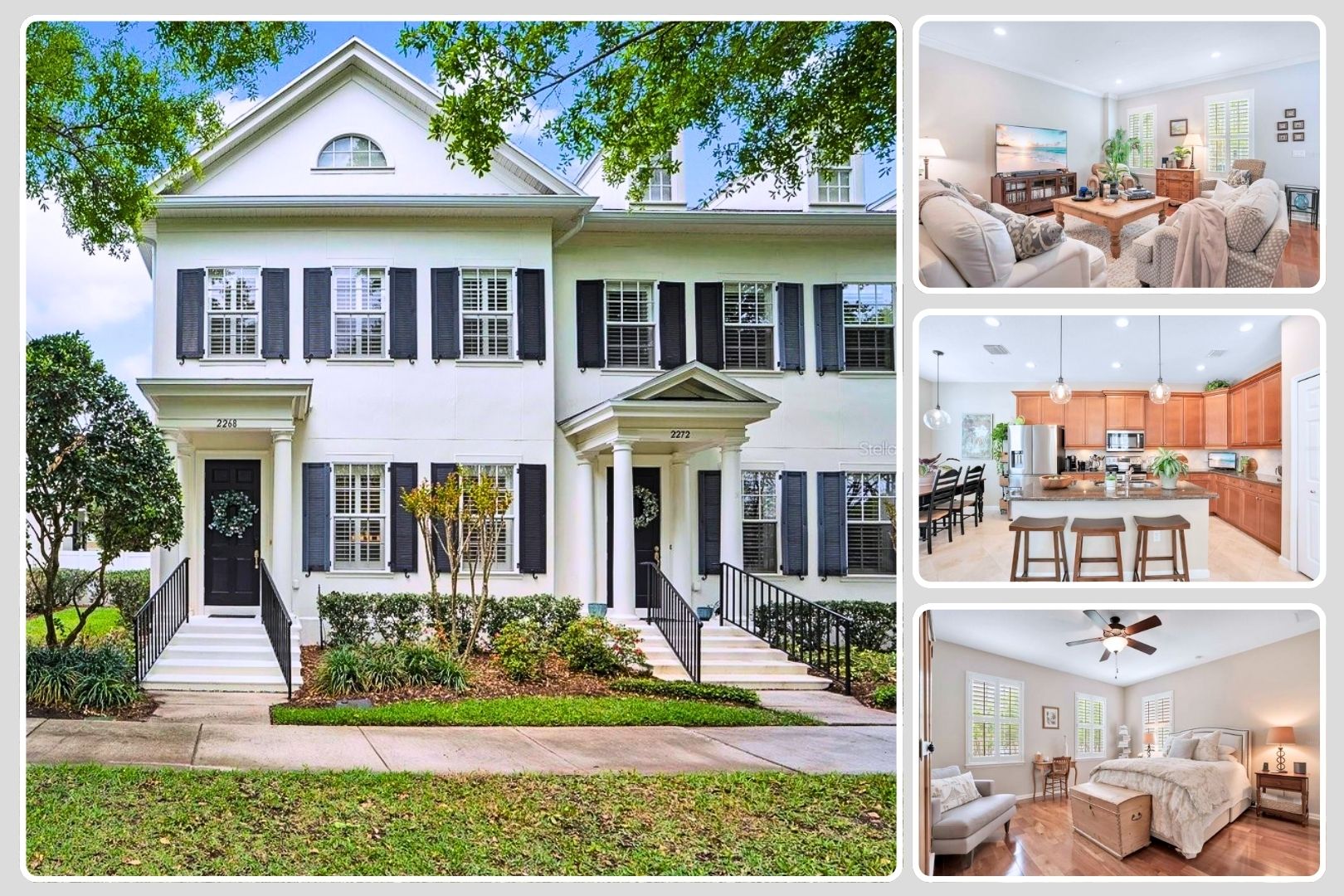
On a Tuesday morning in Baldwin Park, a neighbor waves from her front porch as you walk the dog along the lake trail — the smell of coffee drifting from the Village Center just a few blocks ahead. Kids coast past on bikes toward the elementary school that sits right inside the neighborhood. For the people who live here, that is just a regular morning.
Baldwin Park is not a new community, but something about it keeps drawing buyers in year after year. In 2026, that pull is as strong as ever. This guide explores exactly why Baldwin Park Orlando remains one of the most compelling addresses in Central Florida — from its distinctive design philosophy and lakefront lifestyle to its schools, location advantages, and current real estate landscape.
What Is New Urbanism — And Why Baldwin Park Does It Right
The Design Philosophy Behind the Neighborhood
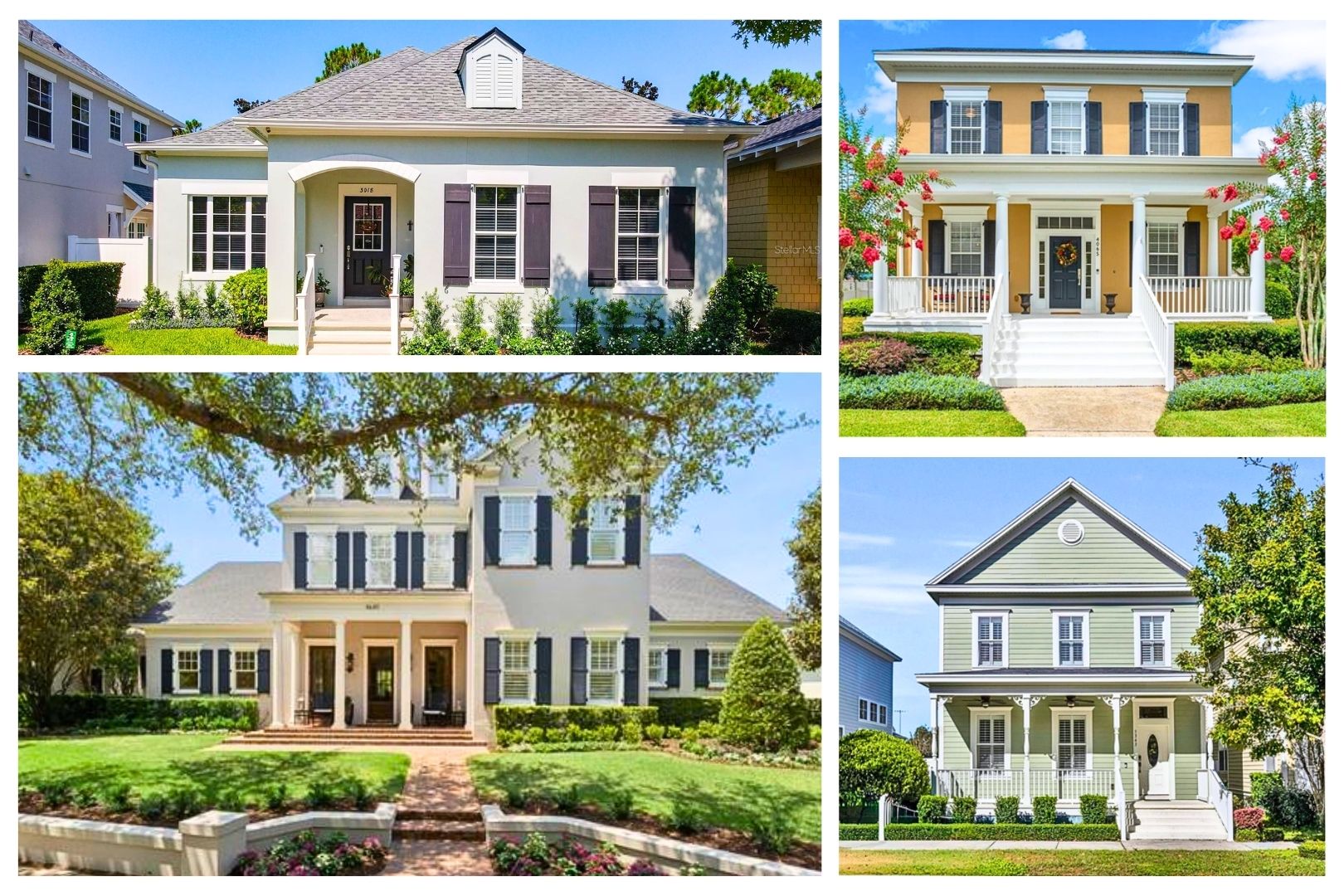
Most master-planned communities in Central Florida follow a familiar pattern: a gated entrance, cul-de-sac streets, a clubhouse, and rows of garage-forward homes that face the street with closed facades. Baldwin Park is something entirely different — and that difference traces back to a planning movement called New Urbanism.
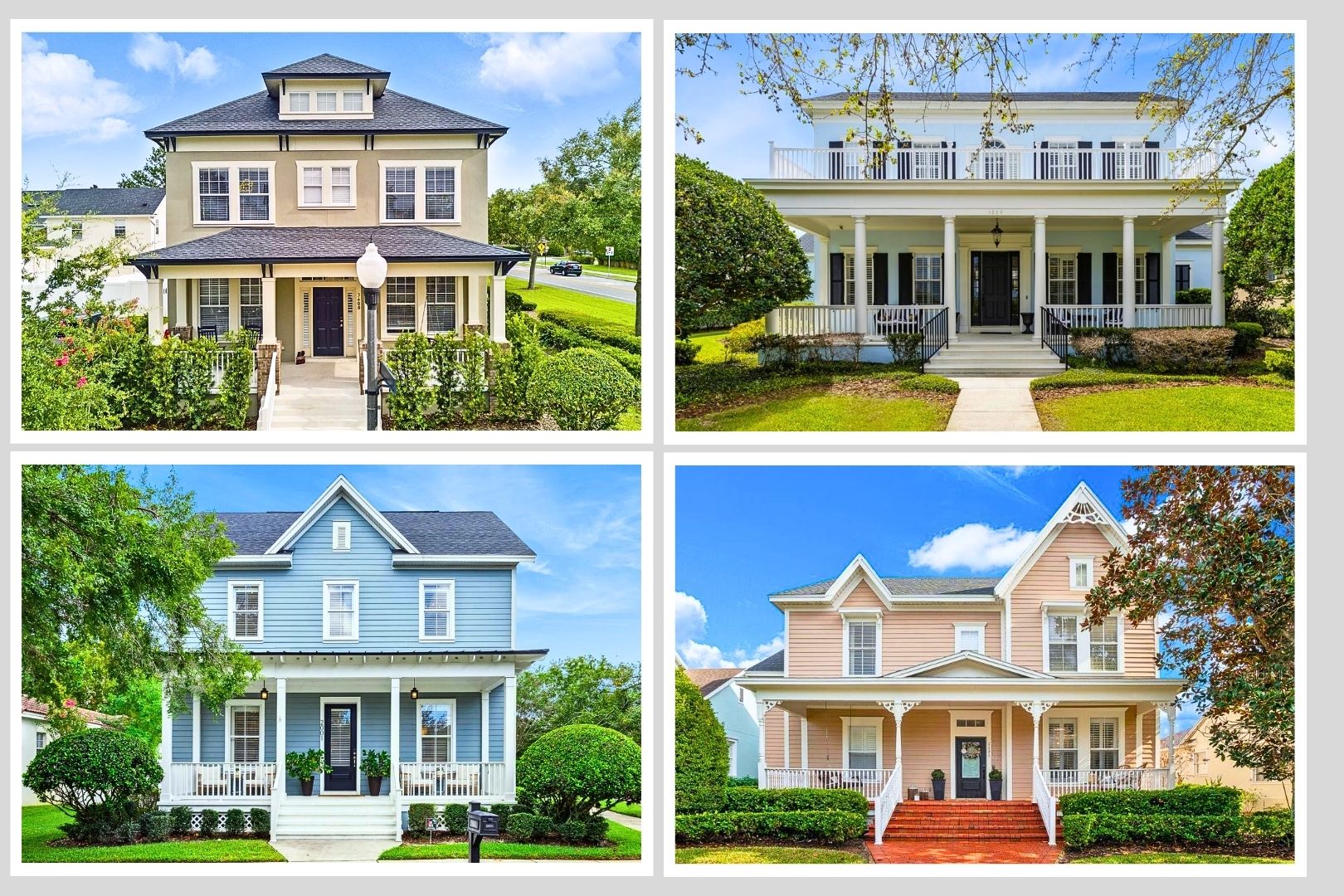
New Urbanism organizes a neighborhood around people rather than cars. Front porches replace garage doors as the dominant streetscape feature, shops and homes sit side by side on a connected street grid, and civic life happens outdoors rather than exclusively behind closed doors. It sounds almost quaint until you experience it, at which point it simply feels like the way a neighborhood should work.
Baldwin Park was built on the former Naval Training Center Orlando (NTC Orlando), which closed in 1999. That redevelopment spanned approximately 1,100 acres — making it one of the largest urban infill projects in Florida history. The military campus footprint gave the neighborhood something most suburban communities in Central Florida cannot replicate: genuine blocks, genuine sidewalks, and genuine mixed-use integration.
~1,100 acres of former Naval Training Center land — redeveloped into one of Florida’s largest urban infill projects, with approximately 4,200 residential units woven across multiple housing types.
The plan called for townhomes, single-family homes, and condominiums all sharing the same street grid — a structural choice that has shaped Baldwin Park’s social character as much as its physical one.
How This Translates to Daily Life for Residents
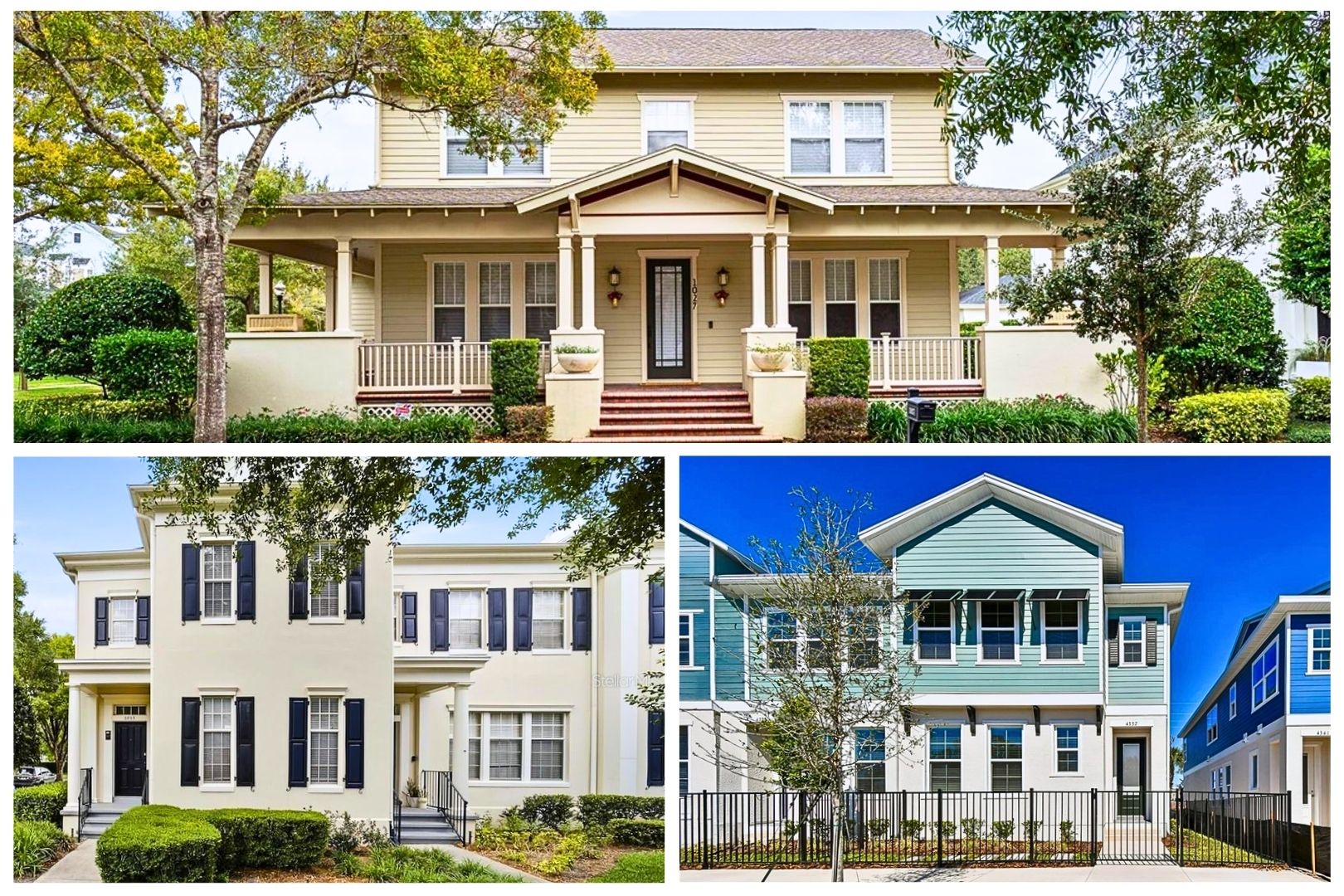
The design choices play out in quiet but meaningful ways every single day. Front porches and narrow setbacks put neighbors in natural proximity to one another — something Baldwin Park residents consistently describe as a defining quality of life that they did not expect when they moved in. Alley-loaded garages keep streetscapes visually clean and pedestrian-friendly, so a walk down any residential block feels like a walk through a neighborhood rather than a parking lot.
Baldwin Park carries a Walk Score of approximately 60–65 and a Bike Score in the upper 60s, though scores vary by specific address within the community. The Village Center core on New Broad Street scores meaningfully higher — in the mid-70s to low 80s range for many addresses there.
💡 Pro Tip: If walkability is a priority, search for homes within a few blocks of New Broad Street. The Village Center core scores significantly higher than the neighborhood-wide average, and the difference is felt immediately in daily life.
Within the Village Center, the lived experience of walkability is considerably stronger than the neighborhood-wide aggregate numbers suggest. The kinds of daily errands and social outings that require a car in most of Orlando simply do not require one here.
The Baldwin Park Lifestyle — Lakes, Parks, and Everything in Between
Outdoor Amenities That Define the Community
Baldwin Park is flanked by two lakes — Lake Baldwin to the north and Lake Susannah to the south — and that aquatic framework shapes the entire outdoor experience of the neighborhood. At the northern edge, Lake Baldwin Park is a City of Orlando public park featuring:
- An open lawn and public beach area
- A dog-friendly zone and fishing pier
- A boat launch for residents and visitors
It is the kind of park that becomes a weekly ritual rather than an occasional destination. Adjacent to it, Fleet Peeples Park adds additional green space and lake access managed by Orange County Parks, rounding out one of the more generous lakefront public amenity packages of any Orlando neighborhood.
The Baldwin Park Community Association (BPCA) maintains approximately four or more miles of community trails that loop through green corridors and connect to these lakefront spaces — creating a continuous circuit that draws runners, cyclists, and families out of their homes throughout the week. The BPCA also operates three community pools distributed across residential clusters, giving residents year-round aquatic access without leaving the community.
The Village Center — Baldwin Park’s Social Core
New Broad Street is where Baldwin Park’s New Urbanist vision becomes most legible. The Village Center strip includes a Starbucks, fitness studios, salons, and neighborhood-serving retail that give the block a lived-in, local character. It is not a lifestyle mall or a themed entertainment district. It is just a useful, pleasant main street that happens to be walkable from most front doors in the community.
The dining and social scene expands considerably just outside Baldwin Park’s boundaries. The Audubon Park Garden District along Corrine Drive — a short drive or bike ride to the west — adds independent restaurants and boutiques, including East End Market, a curated food hall and gathering space that has become a regular destination for neighborhood residents.
Winter Park’s Park Avenue is just minutes to the north, bringing acclaimed dining like Prato and the weekly Winter Park Farmers Market — held every Saturday at the historic train depot — well within regular reach. Mead Garden in Winter Park offers 47 acres of botanical trails and nature access for a casual day trip, again without ever needing a highway.
Community Association and HOA Structure
The BPCA is the organization that keeps Baldwin Park looking and functioning the way it does. It manages common area landscaping, community event programming — seasonal festivals, outdoor movie nights, neighborhood gatherings — and the aesthetic standards that preserve the neighborhood’s visual character over time.
| Housing Type | Estimated HOA Fee (per quarter) | Notes |
|---|---|---|
| Single-Family Home | ~$400–$600+ | Varies by section of community |
| Townhome | Separate schedule | Confirm via listing disclosures |
| Condominium | Separate schedule | Confirm via listing disclosures or BPCA |
Buyers should verify current figures against active listing disclosures or contact the BPCA directly, as fees are subject to change. All fee types cover access to trails, pools, and community programming.
Schools Serving Baldwin Park — A Key Driver for Family Buyers
Public Schools in the Baldwin Park Attendance Zone
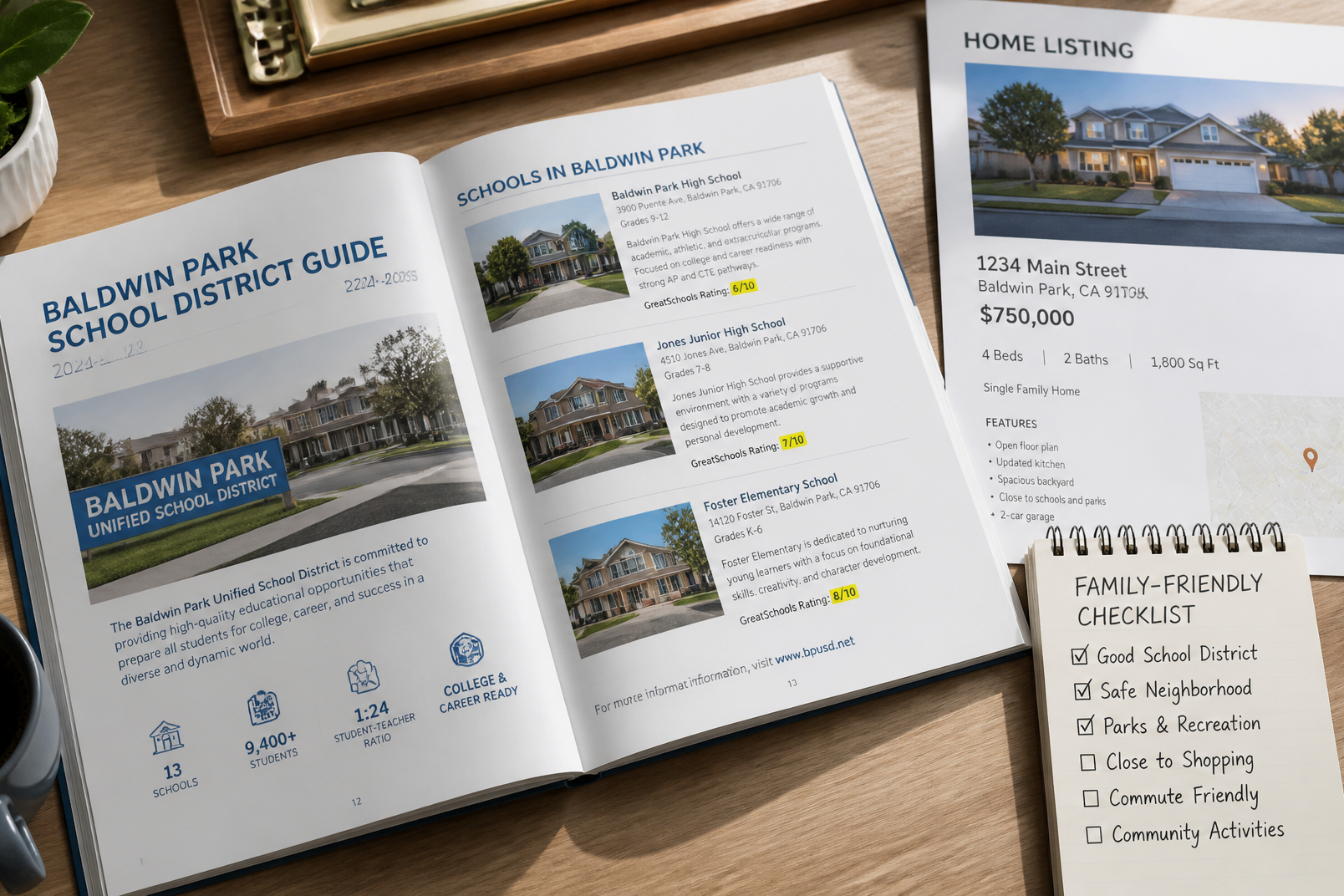
For families with school-age children, the school situation in Baldwin Park is one of the neighborhood’s most meaningful practical advantages. Baldwin Park Elementary School sits within the community itself — meaning many children can walk or bike to school, a feature that feels almost nostalgically rare in modern suburban Orlando and is deeply consistent with the neighborhood’s pedestrian-first design values.
8/10 — Baldwin Park Elementary’s GreatSchools rating as of 2024, paired with a Florida Department of Education School Grade of “A” for the 2022–2023 school year.
Glenridge Middle School, located in nearby Winter Park, serves Baldwin Park students at the middle grade level and holds a Florida DOE grade of “B.” Winter Park High School rounds out the public pipeline and carries a strong reputation as one of Orange County’s more rigorous comprehensive high schools, with robust magnet programs, competitive athletics, and a college-preparatory culture that draws families specifically to this attendance zone.
Winter Park High holds a GreatSchools rating of 8 out of 10 and has earned recognition from U.S. News and World Report placing it among the top 15 to 20 percent of high schools nationally in recent rankings. School boundary assignments should always be confirmed with Orange County Public Schools prior to purchase, as zone lines can shift.
💡 Pro Tip: Always verify school zone assignments directly with Orange County Public Schools before making a purchase decision — zone boundaries can and do change, and confirmation matters more than assumed proximity.
Private and Charter Options Nearby
The broader corridor surrounding Baldwin Park — including Winter Park and the eastern Orlando metro — offers families a meaningful range of private and charter school alternatives for those seeking options beyond the public system. This additional flexibility, layered on top of an already strong public school lineup, gives Baldwin Park buyers more educational optionality than most Orlando neighborhoods can offer.
Location Advantages — Connectivity Without Sacrificing Character
Proximity to Downtown Orlando and Major Employment Corridors
One of Baldwin Park’s most underappreciated selling points is simply where it sits. Located approximately four miles east of downtown Orlando, the neighborhood delivers genuine urban proximity without the noise, density, or parking realities of downtown living. SR-408 (the East-West Expressway) connects residents quickly to downtown Orlando, Orlando Health’s flagship medical campus, AdventHealth, and the full length of the I-4 corridor.
Orlando International Airport is approximately 17 to 20 miles south, with typical drive times of 20 to 30 minutes via SR-528 or SR-408 connecting to SR-417. For relocating professionals and frequent business travelers, that proximity is not a minor convenience — it is a genuine quality-of-life variable that compounds over years of living here.
Adjacent Neighborhoods and Retail Access
Winter Park sits immediately to the north and functions as a natural extension of Baldwin Park’s daily lifestyle. Park Avenue shopping, the Morse Museum of American Art, Rollins College, and the Winter Park Farmers Market are all accessible without touching a highway. To the west, the Audubon Park Garden District along Corrine Drive adds a complementary creative dining and retail scene that regular Baldwin Park residents treat as a neighborhood extension rather than a destination.
For practical everyday errands, the East Colonial Drive corridor provides big-box retail and everyday services within minutes of the neighborhood — ensuring that the charm of walkable Village Center life does not come at the expense of basic convenience. The combination of urban amenity access, employment corridor proximity, and airport convenience makes Baldwin Park’s location case as strong in 2026 as it has ever been.
Baldwin Park Real Estate — What the Market Looks Like in 2026
Housing Types and Price Ranges
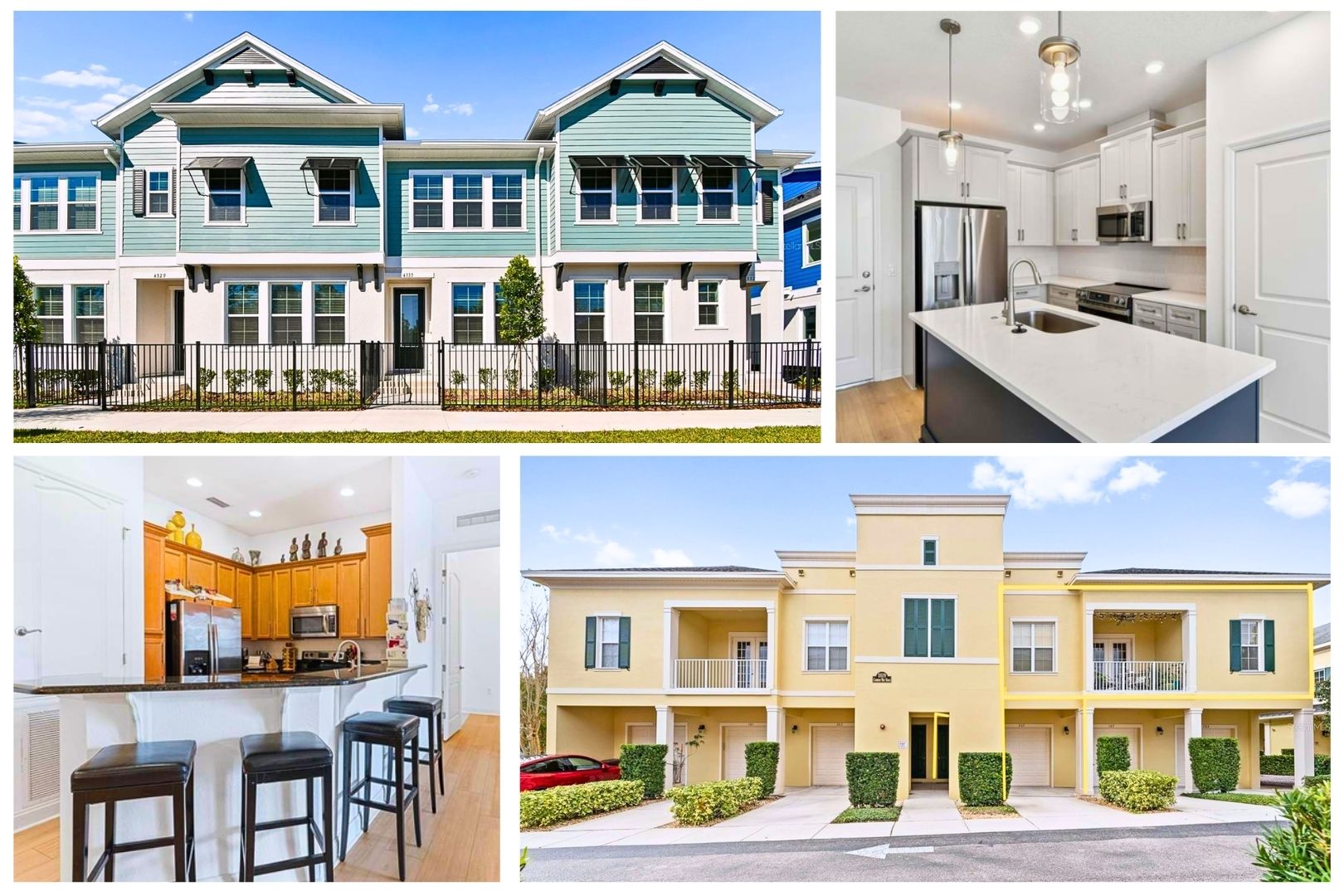
Baldwin Park offers buyers a genuine spectrum of housing within a single community. Each type carries a different entry point and lifestyle trade-off:
- Townhomes represent the most accessible entry point, attracting buyers who want the neighborhood’s lifestyle without the upkeep of a single-family home.
- Interior single-family homes range from cottage-scale detached houses to larger four- and five-bedroom properties, with pricing that reflects lot size, condition, and proximity to the Village Center or lakefront.
- Lakefront homes along Lake Baldwin and Lake Susannah command significant premiums and represent some of the most desirable residential real estate in the broader Orlando metro.
- Condominiums near the Village Center add a true lock-and-leave option for empty nesters, second-home buyers, and professionals who prioritize lifestyle access over square footage.
What Buyers Are Getting for Their Investment
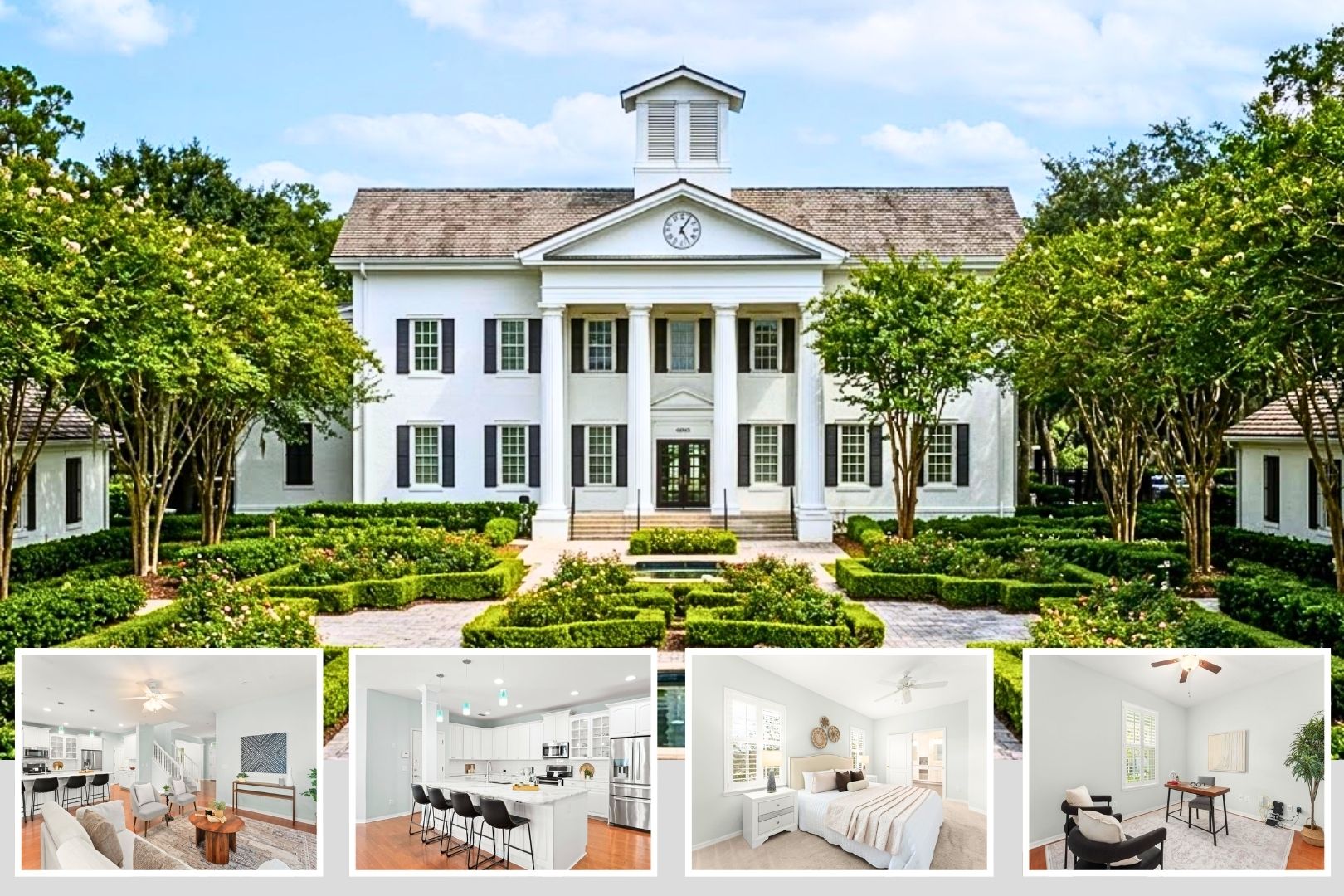
Baldwin Park consistently trades at a premium relative to comparable Orlando neighborhoods. Based on publicly available market reports and county property records, the median home sale price in the 32814 ZIP code has tracked meaningfully above the Orlando metro median through 2024 into early 2025 — reflecting the sustained demand that the neighborhood’s differentiated lifestyle commands.
Market activity has reflected consistent demand, with homes typically moving within a reasonable window that signals steady buyer interest without the extreme bidding dynamics of the 2021 to 2022 cycle. Price appreciation in the 32814 ZIP code has remained positive even as portions of the broader Florida market experienced softening — a pattern that aligns with Baldwin Park’s historically tight inventory relative to buyer demand.
$95,000–$110,000 — estimated median household income range in the 32814 ZIP code, compared to approximately $65,000–$68,000 for Orange County overall, reflecting the professional demographic Baldwin Park consistently attracts.
That premium is not hard to explain. The combination of walkability, school quality, lakefront access, architectural character, and location represents a product that simply does not exist elsewhere in Central Florida at scale. Buyers in 2026 are navigating a rate environment that has reshaped affordability calculations across the board, but the fundamentals that drive Baldwin Park’s desirability — design, schools, location, and community — do not fluctuate with interest rates.
Who Is Buying in Baldwin Park — And Why They’re Staying

Baldwin Park draws a remarkably consistent buyer profile across its more than two decades as a community. Families anchor the demand, drawn by walkable school access, the trail system, and the front-porch culture that makes raising children here feel qualitatively different from conventional suburban life.
Remote workers have increasingly found Baldwin Park’s combination of home-office-friendly floor plans and Village Center amenity access to be an ideal pairing. Retirees and empty nesters are drawn to the low-maintenance options and the social fabric of a walkable community where daily life does not require getting in a car. And relocating professionals — particularly those arriving from higher-cost East Coast and West Coast markets — often find that Baldwin Park delivers a quality of life that rivals what they left behind at a price point that still makes financial sense within the Orlando metro.
The Orlando-Kissimmee-Sanford MSA population exceeded 2.7 million as of recent Census Bureau estimates, with annual growth running in the range of 50,000 to 60,000 new residents — sustaining the pipeline of buyers consistently evaluating established neighborhoods like Baldwin Park. That regional growth backdrop matters: it keeps demand healthy without depending on speculation.
What is perhaps most telling about Baldwin Park is not who moves in but who stays. The neighborhood has an unusually strong culture of long-term residency — people who sell a home within the community and then buy another one rather than leaving. That pattern of retention speaks to something genuine about the lived experience here that marketing language cannot fully capture.
Frequently Asked Questions About Living in Baldwin Park Orlando
Is Baldwin Park a good place to buy a home in 2026?
Baldwin Park has demonstrated consistent buyer demand and long-term price stability rooted in a genuinely differentiated lifestyle offering. For buyers who prioritize walkability, design quality, school access, and community character, it remains one of the most compelling addresses in the Orlando metro. For current market conditions specific to 2026, a local real estate professional working with current MLS data is the best resource for guidance tailored to your situation.
What are the HOA fees in Baldwin Park Orlando?
HOA fees vary depending on housing type and the specific section of the community. Single-family home fees have ranged roughly $400 to $600 or more per quarter, while townhomes and condominiums carry their own schedules. The BPCA covers common area maintenance, pool access, trail upkeep, and community event programming. For accurate current figures, review active listing disclosures or reach out to the BPCA directly, as fees are updated periodically.
What schools serve Baldwin Park in Orlando?
The public school pipeline runs through Baldwin Park Elementary School (located within the community), Glenridge Middle School in Winter Park, and Winter Park High School. All three are part of Orange County Public Schools. School boundary assignments should always be confirmed with OCPS directly prior to making a purchase decision, as zones can change.
Is Baldwin Park walkable?
By Orlando standards, Baldwin Park is genuinely walkable. The Village Center on New Broad Street, the lakefront trail system, and the pedestrian-first street grid all contribute to one of the higher Walk Scores in the city. Most residents find that daily coffee runs, school drop-offs, recreational walks, and neighborhood socializing can happen entirely on foot — a meaningful distinction in a metro defined by car dependency.
What types of homes are available in Baldwin Park?
The community includes townhomes, single-family homes ranging from smaller cottage-style properties to larger estate homes, and condominiums near the Village Center. This range allows buyers to enter the neighborhood at different price points while sharing the same community amenities, school access, and lifestyle infrastructure regardless of which housing type they choose.
How far is Baldwin Park from downtown Orlando?
Approximately four miles east of downtown, with typical drive times of 10 to 15 minutes under normal traffic conditions via SR-408 or surface streets. Within the neighborhood, daily life is walkable and bikeable. For downtown Orlando, Winter Park, and destinations beyond, most residents use a car — though the commute times are genuinely short by any metropolitan standard.
A Neighborhood Built to Last
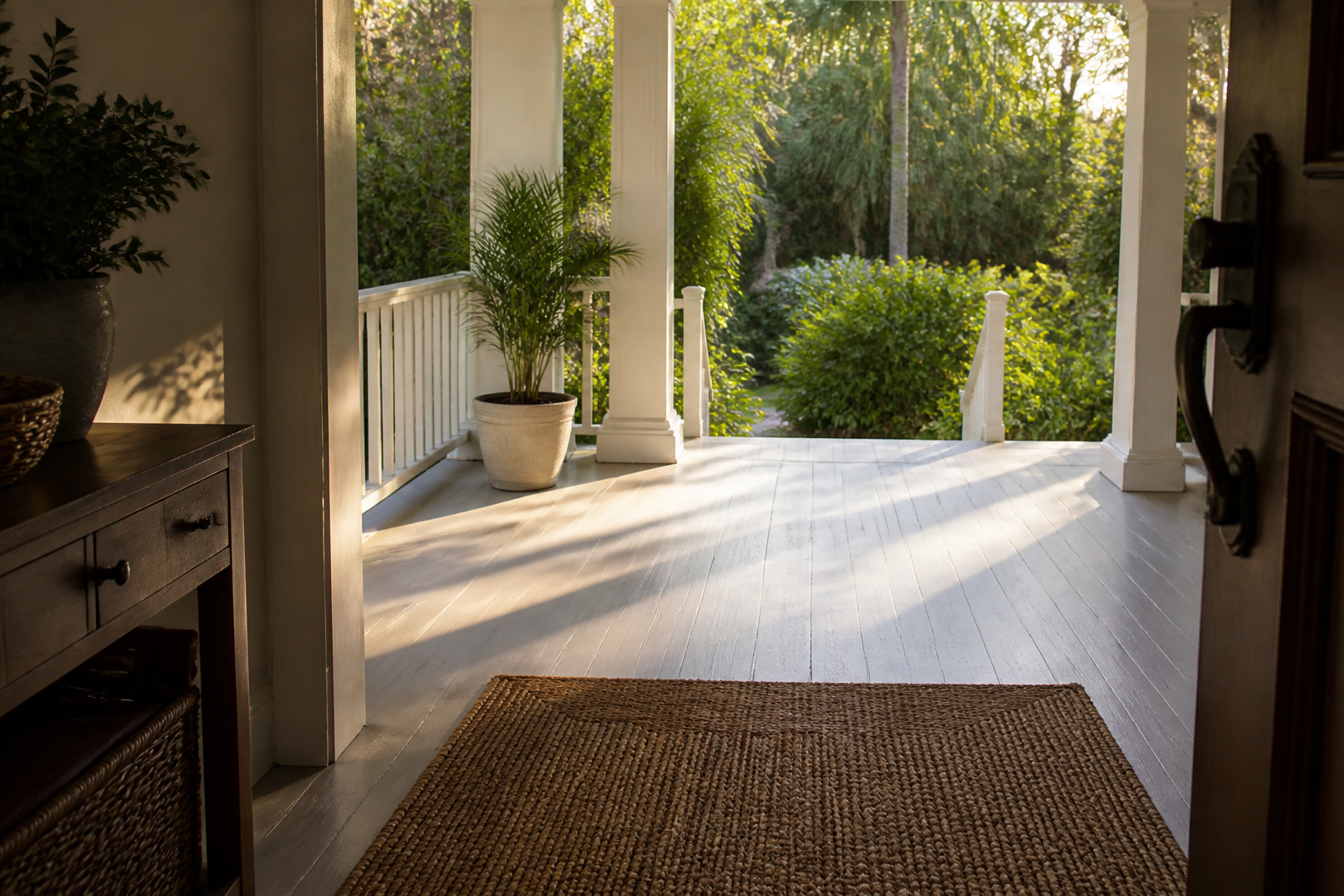
Baldwin Park was designed on a belief that neighborhoods should be built for people — and after more than two decades, that belief has proven itself in the most practical way possible: people keep choosing to live here, and when they leave, they often come back. In an Orlando metro defined by rapid growth and suburban sprawl, Baldwin Park is a place where the streets were planned with purpose, the community was designed for permanence, and the daily quality of life is something residents feel every morning when they step off their front porch.
Buying in Baldwin Park in 2026 is not simply a real estate decision. It is a decision to invest in a specific way of living — walkable, community-oriented, anchored by lakes and green space, and supported by schools and location advantages that hold their value across market cycles. That combination is rare in any metro, and genuinely exceptional in Orlando.
If you have questions about Baldwin Park or are ready to explore what is currently available in the neighborhood, feel free to reach out to our team — we would be happy to help you find your place here.