


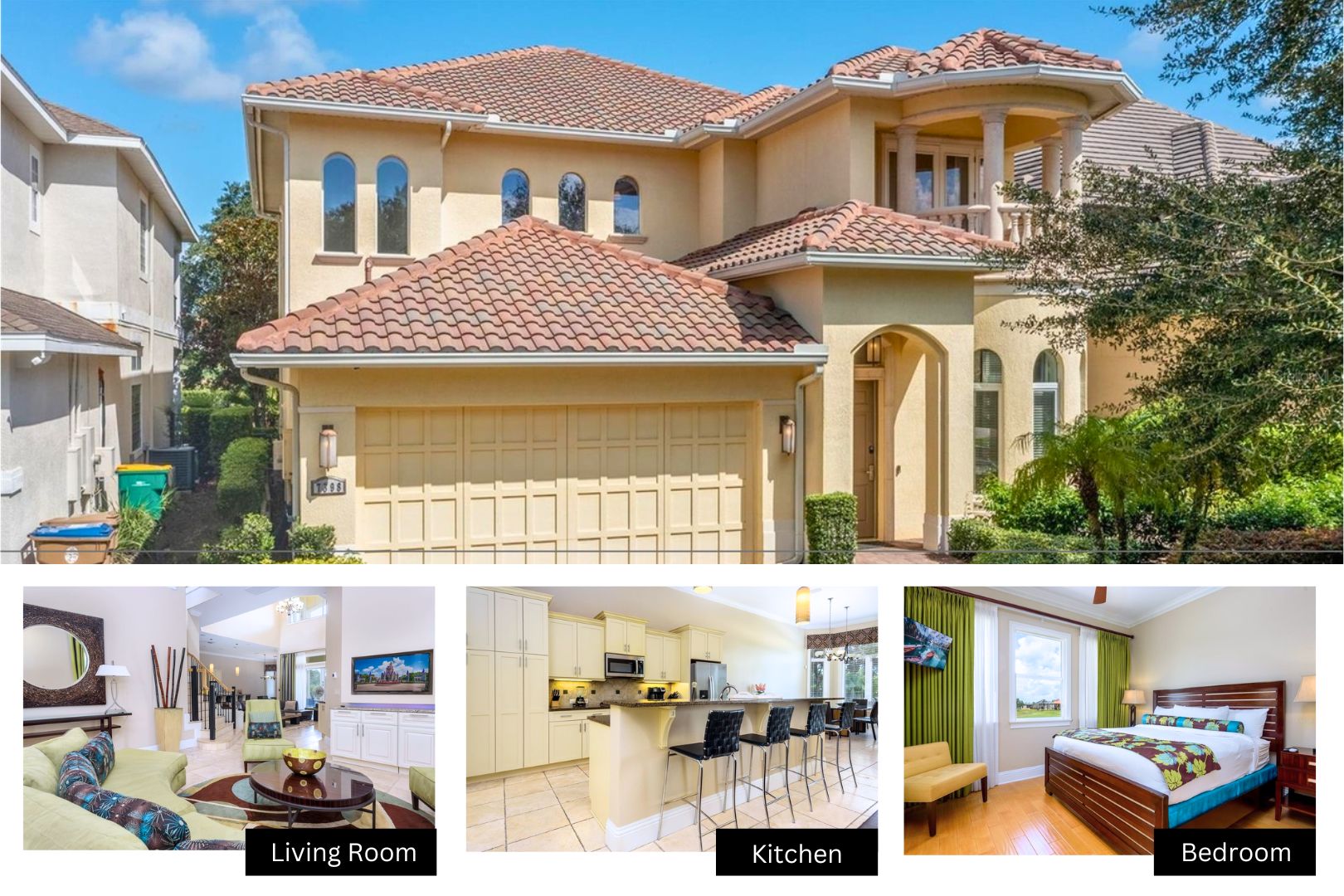
Kissimmee, Florida sits at the center of one of the most visited tourism destinations on the planet — and for serious real estate investors, that geography creates a genuinely compelling case for short-term rental income property. Walt Disney World, Universal Orlando, SeaWorld, and the broader Osceola County resort corridor all within reach means the demand engine here is structural, not cyclical.
This is not a post designed to sell you on a perfect market, because this market is not perfect. What follows is an honest, data-grounded look at how STR investing in Kissimmee actually works heading into 2026 — covering real income potential, realistic cap rates, and what current market conditions require your attention before you commit capital.
Why Kissimmee Remains One of the Most Demand-Resilient STR Markets in the Country
Tourism Infrastructure That Doesn’t Go Away
The fundamental investment thesis for Kissimmee STR property begins with one structural fact: the Greater Orlando metropolitan area is consistently the most visited destination in the United States. According to Visit Orlando estimates, the metro drew approximately 72–74 million visitors in 2023. Kissimmee and Osceola County serve as the primary lodging corridor for the budget-to-mid-range family travel segment — precisely the demographic that fuels vacation rental demand at scale.
Walt Disney World, Universal Orlando Resort, SeaWorld Orlando, and LEGOLAND Florida generate genuine year-round international demand, not just domestic summer travel. That distinction matters enormously for investment underwriting. A market dependent on domestic summer families alone would carry deep shoulder-season vulnerability.

Kissimmee’s guest mix smooths the occupancy curve in ways that single-driver tourism markets simply cannot replicate. It draws:
- International travelers for the November through January holiday window
- European tourists throughout spring
- Domestic family groups across multiple school-break calendars
$6.5 billion — Universal’s Epic Universe development investment, representing the largest single theme park addition to the Orlando market in roughly 25 years. Investors buying in 2025–2026 are entering ahead of the full demand absorption from this new draw.
With Epic Universe opening in May 2025, some industry analysts have projected it will add meaningful incremental annual visitors to the Greater Orlando market, with Osceola County well-positioned to capture overnight demand. That timing is legitimately favorable for investors entering now.
Kissimmee’s Geographic STR Sweet Spots
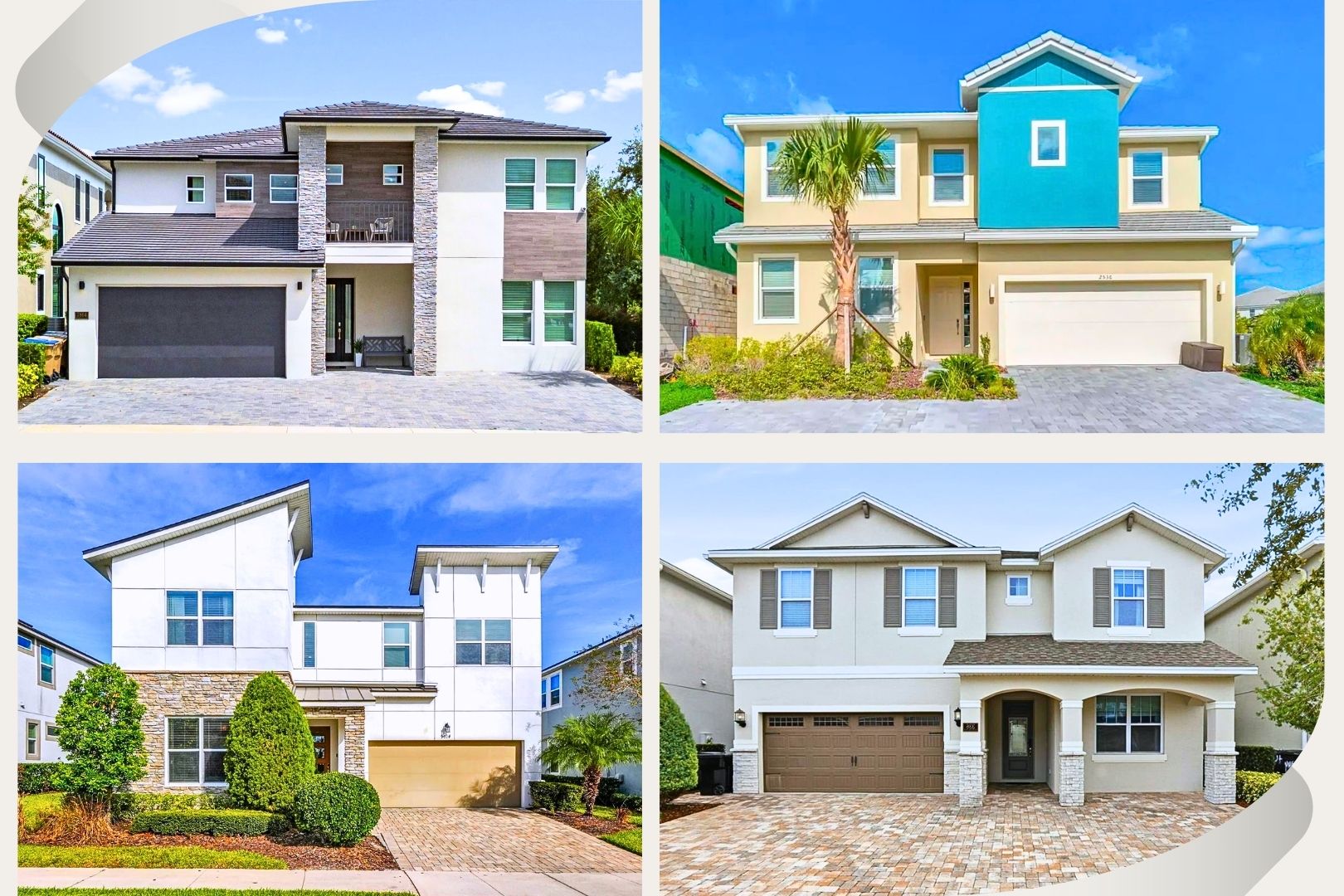
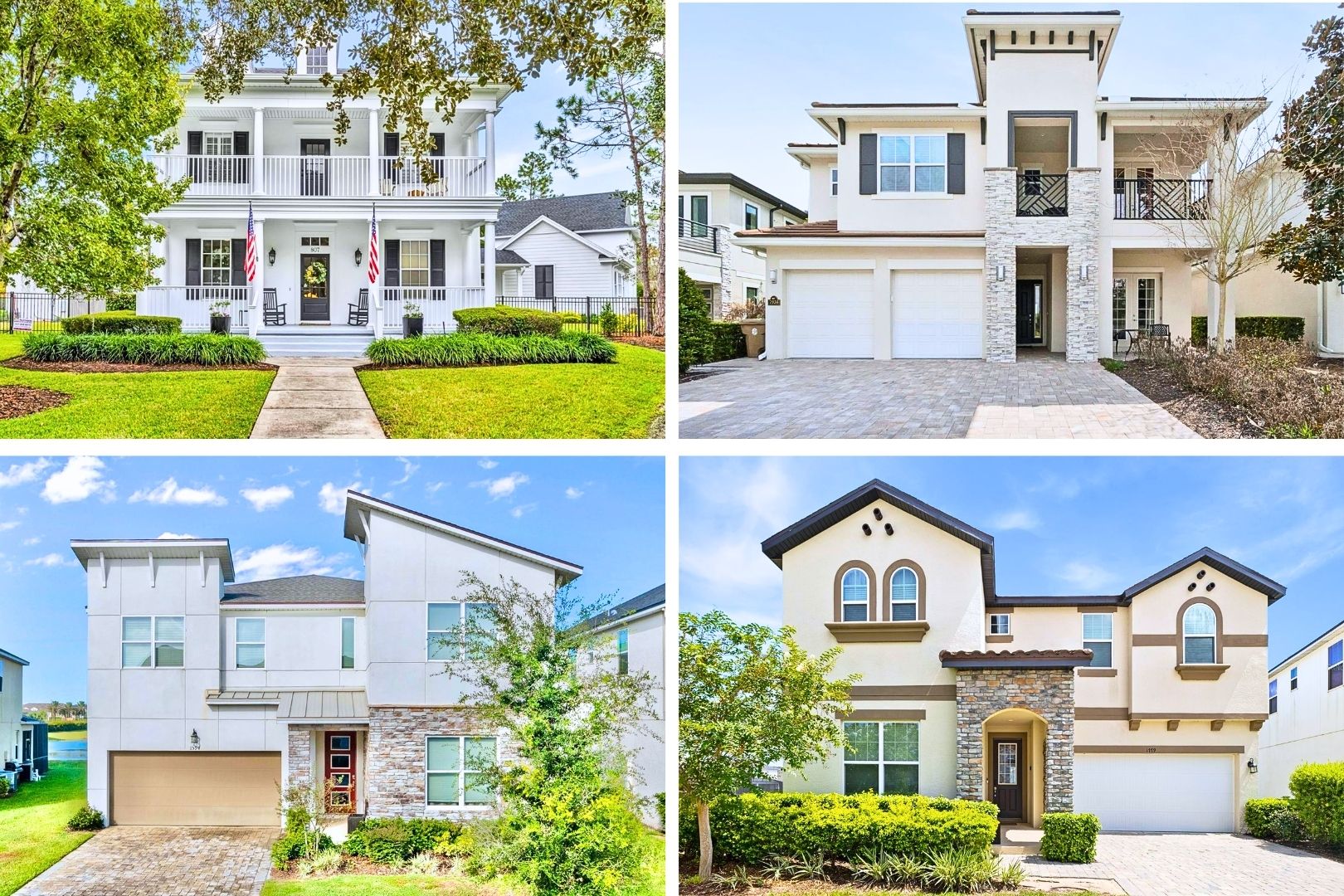
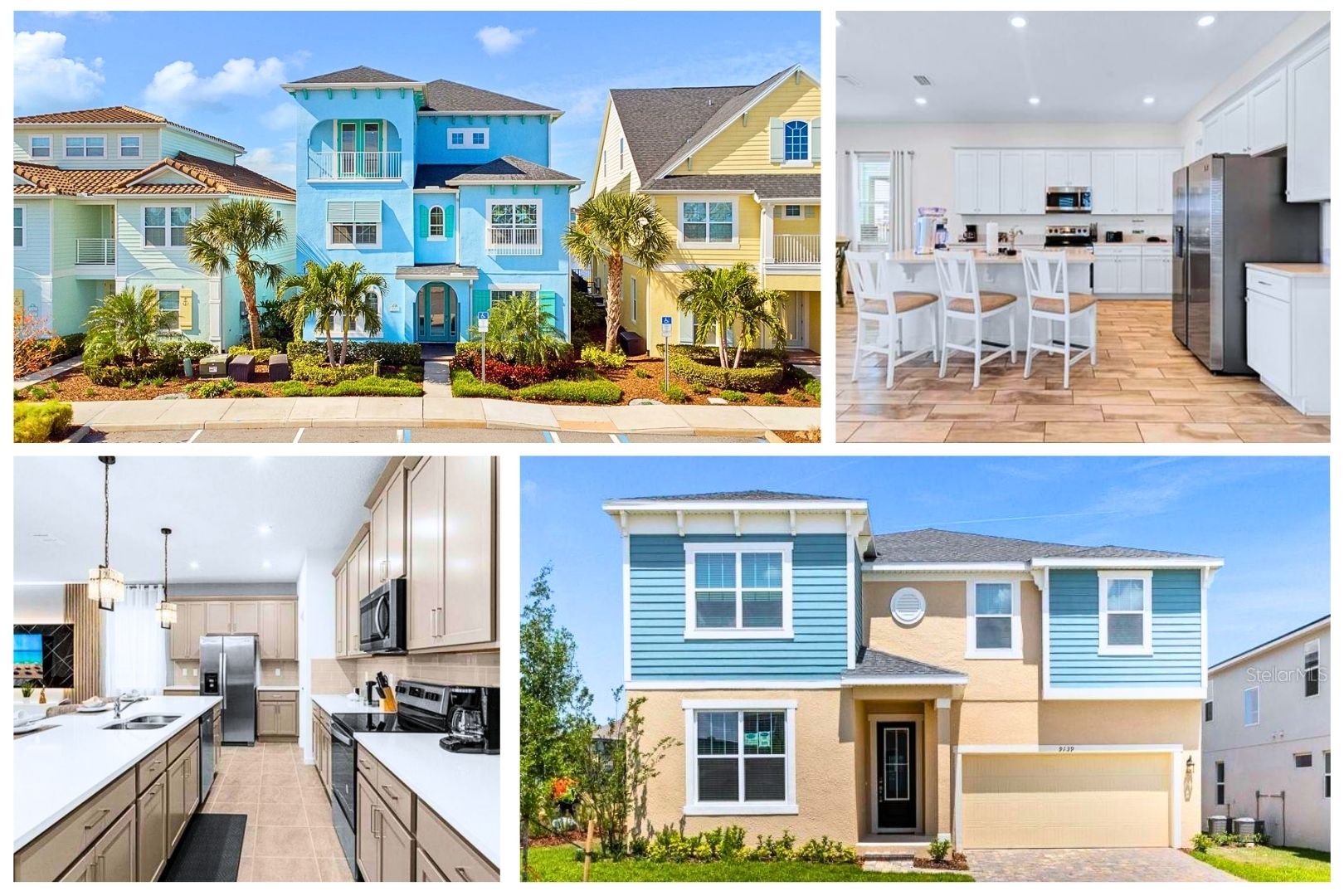
Location discipline is one of the most important factors separating strong Kissimmee STR performers from underperformers. The US-192 corridor (Irlo Bronson Memorial Highway) is the densest concentration of STR-zoned resort communities in the market. Communities like Storey Lake Resort, Solara Resort, Windsor Hills, and properties near the Margaritaville Resort Orlando vicinity are built specifically for vacation rental use — with HOA structures, resort amenities, and community infrastructure that support the short-term rental product. Old Town Kissimmee on US-192, a long-established entertainment and retail destination, contributes to the corridor’s guest appeal as well.
Drive time to Walt Disney World’s main gate is a verifiable performance predictor. Properties within 10–15 minutes of the Disney entrance consistently command higher nightly rates and achieve better occupancy than comparable properties 25–30 minutes out. The Four Corners area — where Osceola, Orange, Lake, and Polk counties meet — and Celebration-adjacent properties offer secondary positioning with their own demand base, though investors should model those locations with appropriate adjustments relative to the Disney-proximity premium.
Understanding STR Income Potential in Kissimmee — What the Numbers Actually Look Like

Average Nightly Rates and Occupancy by Property Type
Single-family resort community homes in the 3–6 bedroom range are the dominant STR product type in Kissimmee. Based on AirDNA data for the Osceola County market in 2024–2025, average nightly rates for well-positioned resort-area properties break down roughly as follows:
| Bedroom Count | Average Nightly Rate Range |
|---|---|
| 3-Bedroom | $175 – $225 |
| 4-Bedroom | $225 – $310 |
| 5–6 Bedroom (strong amenities) | $300 – $425+ |
These are mid-market figures. Well-positioned or heavily amenitized properties can exceed these ranges, while older or poorly marketed properties will fall below them.
Average occupancy for resort community STR properties currently runs approximately 62–72% annualized, according to AirDNA data for the Osceola County market as of 2024. Non-resort residential properties where STR use is permitted but community amenities are absent typically run lower — often in the 52–62% range — because they lack the resort-experience marketability that drives repeat bookings and platform placement.
Seasonality creates meaningful income variation. Peak windows in November through January and June through August drive the highest rates and occupancy simultaneously, while shoulder periods require realistic discounting to maintain booking pace. Conservative underwriting should model this variance rather than annualizing peak-season performance figures.
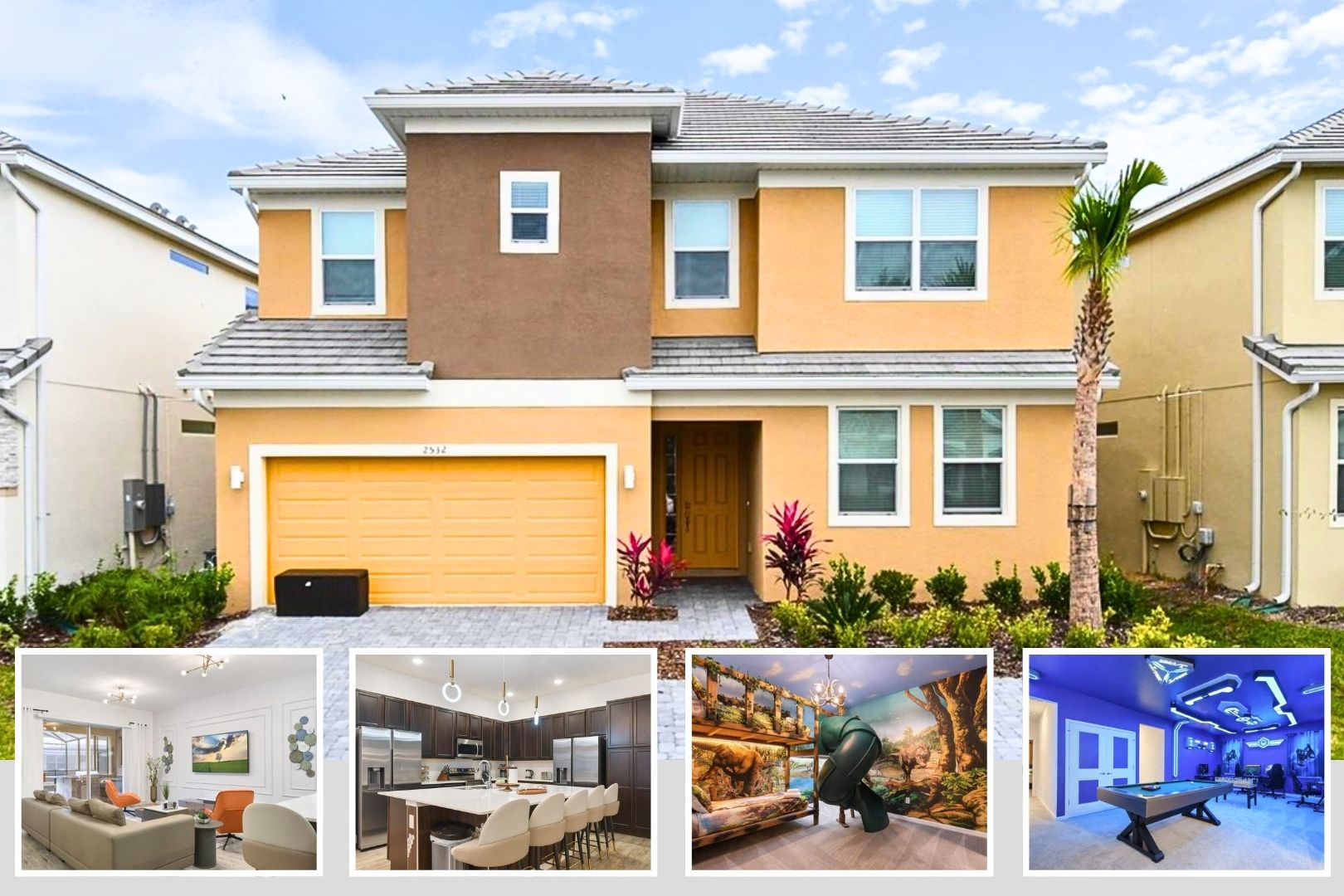
Amenity premiums in this market are real and quantifiable. A private pool is effectively a baseline competitive requirement in Kissimmee — not a luxury feature. Game rooms, themed bedrooms, and home theater setups generate direct nightly rate premiums and drive the guest review quality that feeds Airbnb and VRBO algorithm placement, both of which translate directly into booking velocity over time.
Annual Gross Revenue Benchmarks
Realistic gross annual revenue for a well-positioned, professionally managed Kissimmee STR property in the current market looks like this, based on 2024 Osceola County STR analytics data:
| Property Type | Gross Annual Revenue Range |
|---|---|
| 3-Bedroom Pool Home (resort community) | $45,000 – $65,000 |
| 4-Bedroom | $60,000 – $85,000 |
| 5–6 Bedroom (strong amenity package) | $80,000 – $120,000+ |
These figures reflect normalized 2024–2025 market conditions, not the anomalous peak revenues of 2021 and 2022.
The gross-to-net distinction is where many investor projections go wrong. From gross revenue, subtract the following:
- Platform fees: typically 8–15%
- Full-service property management: 20–30% of gross revenue
- HOA fees: resort communities often run $400–$800+ per month
- Florida property insurance, utilities, and maintenance reserves
- Property taxes (homestead exemption does not apply to investment properties)
Net operating income in this market, for a realistically modeled property, will typically represent 45–60% of gross revenue after all operating expenses. That net figure is what should drive your cap rate and cash-on-cash return calculations — not the headline gross number.
Cap Rates in Kissimmee — What Investors Should Realistically Expect in 2026

How to Calculate Cap Rate for a Kissimmee STR
Cap rate in an STR context is calculated identically to any income property: Net Operating Income divided by Purchase Price. The complexity lies in arriving at a credible NOI figure. Unlike a long-term residential lease where income is fixed and expenses are relatively predictable, STR income varies by season, platform, management quality, and listing optimization.
Investors must annualize across seasonality cycles, model realistic rather than peak occupancy, and apply a fully-loaded expense structure that accounts for Florida-specific cost items — particularly insurance. Gross rental yield (annual gross revenue divided by purchase price) is a useful companion metric for initial screening. A property showing gross yield below 10% at current asking prices warrants careful attention to expense structure before proceeding.
Current Cap Rate Ranges for Kissimmee STR Properties
For well-positioned STR properties in Kissimmee resort communities, cap rates in the current market based on normalized 2024–2025 revenue performance typically fall in the 5–7.5% range. Properties at the lower end are often in highly desirable resort corridors where purchase prices have remained strong but post-pandemic revenue normalization has compressed net yields. Properties at the higher end are typically those where pricing has recalibrated more fully, or where strong management, high amenity ratings, and repeat booking history support above-average NOI.
| Price Point | Typical Cap Rate Range | Notes |
|---|---|---|
| Under $450,000 | 6.5% – 8% | Increasingly constrained in well-positioned resort corridors |
| $500,000 – $750,000 | 5% – 7% | Current core of the Kissimmee resort investment market |
| Above $750,000 | Requires strong revenue performance | Greater sensitivity to revenue variance |
The Osceola County median home price stood at approximately $350,000–$380,000 as of early 2025, having pulled back from its mid-2022 peak above $420,000 — a recalibration that has created more defensible entry points than peak-market buyers faced.
What’s Compressing Cap Rates Right Now
Several headwinds are real and require honest modeling. STR supply in the Kissimmee market reportedly grew approximately 15–20% between 2022 and 2024, bringing the total active listing count to an estimated 20,000–25,000 across platforms in Osceola County, according to STR analytics data. More supply competing for the same guest pool — particularly during shoulder seasons — has been the primary driver of occupancy normalization from the 2021–2022 peak. This dynamic is most acute in the mid-tier product range where listing density is highest.
$3,500 – $7,000+ — the current annual insurance premium range for investment and vacation rental properties in Osceola County, depending on property size, age, construction type, and carrier. Any pro forma using insurance assumptions from 2020 or earlier is built on incorrect inputs.
HOA fee increases in resort communities and evolving platform fee structures add additional cost pressure that should be modeled as permanent rather than temporary.
The 2026 Kissimmee STR Market Reality — What’s Changed and What It Means for Investors
Post-Pandemic Revenue Normalization
The 2021–2022 STR revenue environment was an anomaly. Compressed hotel supply, pent-up travel demand, and a surge in domestic leisure spending created a temporary revenue spike that many investors and pro formas mistook for a new baseline. It was not. From 2023 onward, the Kissimmee market has undergone meaningful normalization — year-over-year revenue per available rental for the Osceola County STR submarket declined in 2023 and continued moderating through 2024 before showing stabilization, according to STR analytics tracking for this market.
This is not a market in distress. It is a market returning to demand-fundamentals-driven performance after artificial inflation.
Investors entering in 2025–2026 are working from a more defensible baseline than those who bought at 2022 peak prices with 2022 revenue projections baked into their models. If your investment analysis depends on matching revenue figures a property achieved in 2021 or 2022, stress-test those projections against 2024 actuals before proceeding. The Kissimmee price-per-square-foot picture reflects this recalibration as well — at approximately $180–$210 per square foot as of Q1 2025, values have moderated from the 2022 peak of $230–$245 per square foot while remaining well above pre-pandemic levels.
Osceola County STR Regulations — What Investors Must Know

https://www.property-appraiser.org/
Florida has maintained a generally investor-friendly posture at the state level, with legislation restricting municipalities from outright banning short-term rentals under most circumstances, pursuant to Florida Statute §509.032(7). This is a nuanced area of law that has been amended multiple times — notably in 2014, 2021, and 2023 — and investors should confirm current statutes and their applicability with a Florida-licensed attorney before proceeding.
Compliance with local licensing requirements is non-negotiable for legal operation. Osceola County and the City of Kissimmee have specific requirements investors must satisfy, including:
- Florida DBPR Vacation Rental License
- Local registration and business tax receipt
- Tourist development tax registration and remittance through the Osceola County Tax Collector
Equally important: HOA governing documents in resort communities must be reviewed carefully before any purchase. Not all communities in or near Kissimmee permit short-term rentals, and even within STR-friendly resort communities, specific rental minimums, guest registration rules, and operational requirements apply. This due diligence step should happen before making an offer, not after. Regulations and HOA policies evolve, so investors should verify all current requirements directly with Osceola County, the City of Kissimmee, and HOA management at the time of purchase.
The Epic Universe Effect and the Demand Horizon

Epic Universe’s opening in 2025 represents the most significant new theme park addition to the Orlando market in roughly a quarter century. Some analysts expect the park to drive a measurable improvement in occupancy and average daily rate across the Kissimmee STR market during the 2025–2027 window, as the new attraction draws visitors who extend their Orlando stays to experience the full theme park ecosystem.
This is a trackable demand driver with a multi-year growth runway. The scale of the investment and the breadth of new attraction supply make meaningful visitor upticks a reasonable baseline expectation rather than speculative projection. Investors buying now are entering ahead of the full demand normalization from this addition.
~422,000 — Osceola County’s resident population as of 2023, reflecting approximately 35–40% growth over the preceding decade according to U.S. Census Bureau estimates. Population growth and tourism expansion are reinforcing each other heading into 2026.
How to Identify the Right Investment Property in Kissimmee for STR Success
Location Criteria That Drive STR Performance
The first due diligence step before any other analysis: confirm that the specific property you are evaluating is zoned and legally permitted for short-term rental use, and that its HOA explicitly allows rentals of fewer than 30 days. These are binary questions — a no on either disqualifies the property as an STR investment regardless of how it looks on every other dimension.
From there, drive time to Walt Disney World’s main gate is your most reliable performance proxy. The 10–15 minute radius represents the premium positioning tier. Road and access quality matter too — families traveling with children and vacation luggage need straightforward routing, and properties on congested secondary roads lose ground in guest reviews in ways that compound over time.
Resort community amenities — resort-style pools, lazy rivers, clubhouses, on-site activities — meaningfully improve marketability by elevating the guest experience beyond the property walls. A 4-bedroom home in a community like Storey Lake Resort or Solara Resort will consistently outperform a comparable standalone home on a residential street, even one with a private pool. The community itself becomes part of the vacation proposition, which drives repeat bookings and referral-based platform reviews.
Property Features That Maximize STR Revenue in This Market
A private pool is the baseline for competitive positioning in Kissimmee — not an optional upgrade. Bedroom count in the 4–6 range captures the highest-demand guest segments: multi-generational families, reunion groups, and adult travel groups who book further in advance, stay longer, and generate higher per-booking revenue than smaller configurations.
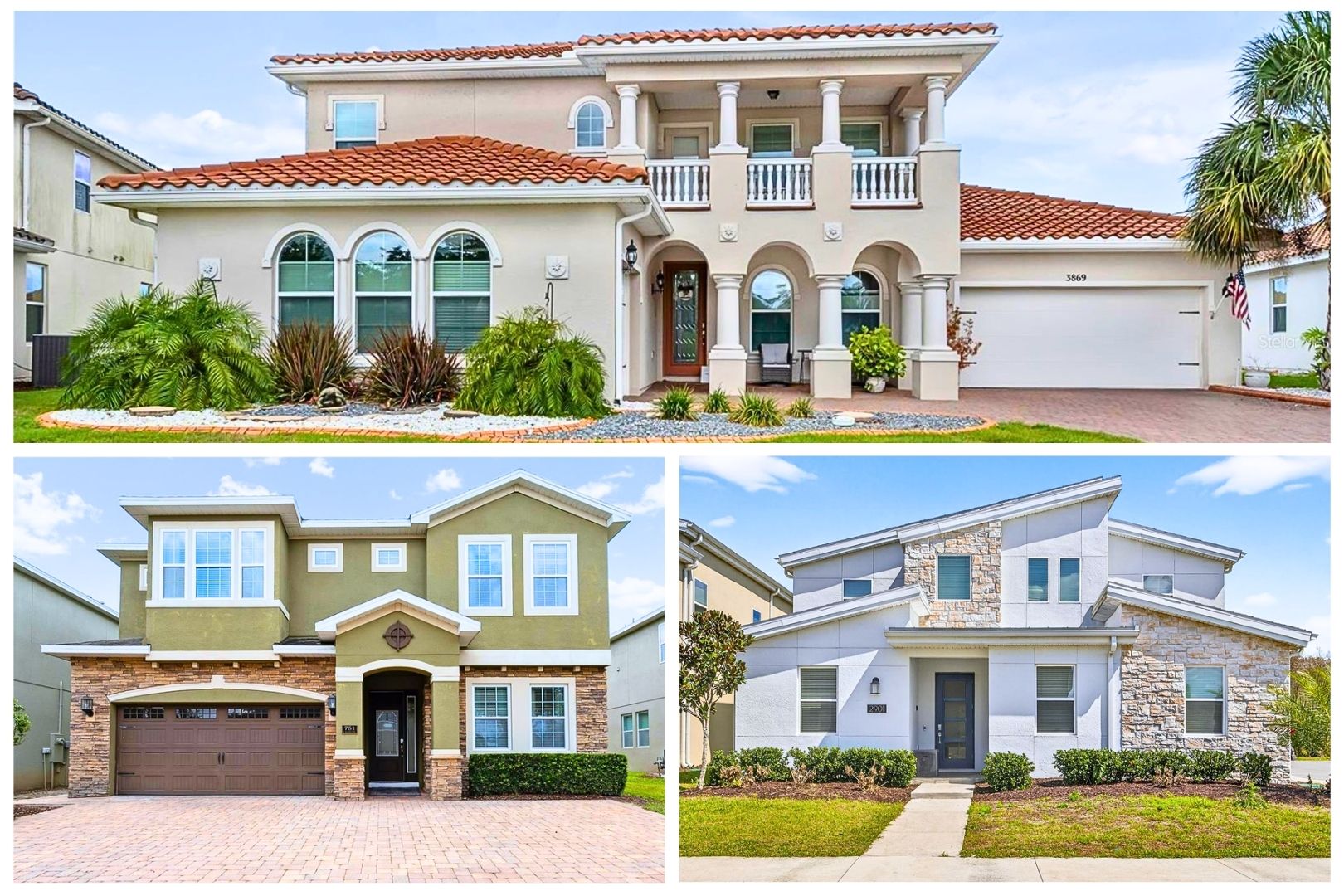
Themed bedrooms, game rooms, and home theater setups generate direct nightly rate premiums and drive the guest review quality that determines platform algorithm placement. Age and condition matter as well — resort community product from approximately 2015 onward generally presents better and requires less near-term capital expenditure to remain competitive against the current inventory baseline.
Pro Tip: Before finalizing any STR investment, pull 12 months of comparable property performance data from AirDNA or a similar STR analytics platform — filtered to the same submarket, bedroom count, and amenity tier. That’s your revenue baseline, not the seller’s projected income statement.
Running the Numbers — A Simple Investment Framework for Kissimmee STR Due Diligence
Before making an offer on any Kissimmee STR investment property, build a simplified pro forma using this structure. Start with projected gross annual revenue drawn from STR analytics data for comparable properties in the same submarket — same bedroom count, similar amenity profile, comparable location. Then subtract the following line items:
- Platform fees: 8–15%
- Property management fees: 20–30% of gross
- Annualized HOA fees
- Florida property insurance: budget $5,000–$8,000 annually as a current-market baseline for a mid-size resort property, and obtain actual carrier quotes before closing
- Property taxes using Osceola County’s current millage rate of approximately 17–19 mills — verify directly with the Osceola County Tax Collector, as millage is set annually. A $400,000 assessed property carries an estimated annual tax obligation of approximately $6,800–$7,600, and the homestead exemption does not apply to investment properties.
- Utilities and a maintenance and replacement reserve of 5–8% of gross revenue minimum, given frequent guest turnover
The resulting figure is your estimated NOI. Dividing by purchase price gives you cap rate.
Run the model at 60% annualized occupancy as your base case. If the property produces acceptable returns at 60% occupancy, you have a defensible investment. If you need 75–80% occupancy to make the numbers work, you are relying on above-average performance in a market that has demonstrated its capacity to deliver below-average occupancy in soft seasons.
Pro Tip: Work with a lender experienced in STR investment financing rather than a standard residential lender unfamiliar with short-term rental income documentation. The difference in how income is underwritten makes a material impact on your ability to model and execute accurately.
Financing terms interact with these figures significantly — two properties with identical NOI will show very different cash-on-cash returns depending on leverage, interest rate, and loan structure.
Frequently Asked Questions
Is Kissimmee FL a good place to invest in short-term rentals in 2026?
Yes, with appropriate expectations. Kissimmee’s demand fundamentals — anchored by Disney, Universal, and now Epic Universe — are structurally durable, and the market enters 2026 from a more rational pricing and revenue baseline than the inflated 2021–2022 period. Investors who model normalized revenue, select properties with strong location and amenity profiles, and build a credible expense structure including Florida insurance costs can achieve competitive risk-adjusted returns. Investors expecting effortless double-digit returns without operational diligence will find the market more challenging than projected.
What cap rate can I expect on a Kissimmee short-term rental property?
Well-positioned STR properties in Kissimmee resort communities currently model at roughly 5–7.5% cap rate based on normalized revenue and current pricing. The variables that move this number most significantly are purchase price relative to the property’s actual revenue capacity, management quality and cost, HOA fees, and Florida insurance costs. Cap rate alone is an incomplete metric for STR investment — run it alongside gross rental yield and cash-on-cash return to get a complete picture of performance.
Do I need a special license or permit to operate a short-term rental in Kissimmee?
Yes. Florida requires a Vacation Rental License through the DBPR for properties rented short-term, and Osceola County and the City of Kissimmee have local registration and business tax receipt requirements as well. Florida Statute §509.032(7) generally limits municipalities from outright banning short-term rentals, though this area of law has been amended multiple times and investors should confirm current statutes with a Florida-licensed attorney. Local compliance obligations — including registration, tax remittance through the Osceola County Tax Collector, and HOA compliance — are mandatory. Always verify current requirements directly at the time of purchase, as regulations continue to evolve.
What areas of Kissimmee are best for short-term rental investment?
The US-192 corridor and established resort communities along it — including Storey Lake Resort, Solara Resort, Windsor Hills, and the area near Margaritaville Resort Orlando — represent the core Kissimmee STR investment market. Properties within 10–15 minutes of Walt Disney World’s main gate consistently outperform more distant alternatives on nightly rate and occupancy. The Four Corners area and Celebration-adjacent locations offer secondary positioning with realistic adjustments to revenue expectations relative to the Disney-proximity premium.
How much money can a Kissimmee vacation rental make per year?
Based on 2024 Osceola County STR market data, realistic gross annual revenue runs approximately $45,000–$65,000 for a well-positioned 3-bedroom resort property, $60,000–$85,000 for a 4-bedroom, and $80,000–$120,000 or more for a 5–6 bedroom property with a strong amenity package. Net income after all expenses will represent roughly 45–60% of gross depending on expense structure. These ranges describe well-executed, professionally managed properties — not median performance across all Kissimmee inventory.
Should I use a property management company for my Kissimmee STR?
For out-of-area investors, professional property management is effectively non-negotiable for consistent performance. Managing a Kissimmee vacation rental remotely — handling booking coordination, guest communication, cleaning turnovers, maintenance response, and platform optimization — is a meaningful operational undertaking, and the performance gap between professionally managed and self-managed properties in this market is real. Management fees of 20–30% of gross revenue are the standard Kissimmee range. That cost is genuine, but so is the performance and risk management value that a quality management partner provides. Vetting your property manager with the same rigor you apply to the property itself is one of the most consequential decisions you will make as a Kissimmee STR investor.
Conclusion
Kissimmee remains one of the most structurally sound short-term rental investment markets in the country heading into 2026. The tourism demand engine is durable and growing, Epic Universe contributes a credible multi-year demand tailwind, and the post-pandemic normalization has produced a more rational entry environment than the conditions buyers faced in 2021 and 2022.
None of that makes success automatic. Location discipline, honest financial modeling that reflects Florida-realistic insurance costs and full management fees, conservative occupancy assumptions, and the right operational support are what consistently separate Kissimmee STR investors who thrive from those who struggle.
The investors who do best in this market combine clear-eyed underwriting with deep local knowledge — understanding which corridors perform, which communities have the right HOA structure for STR use, and where genuine value sits in the current inventory. If you are evaluating Kissimmee as your next investment market and want to work through the numbers with someone who knows this area well, reach out to us — we are glad to help.