


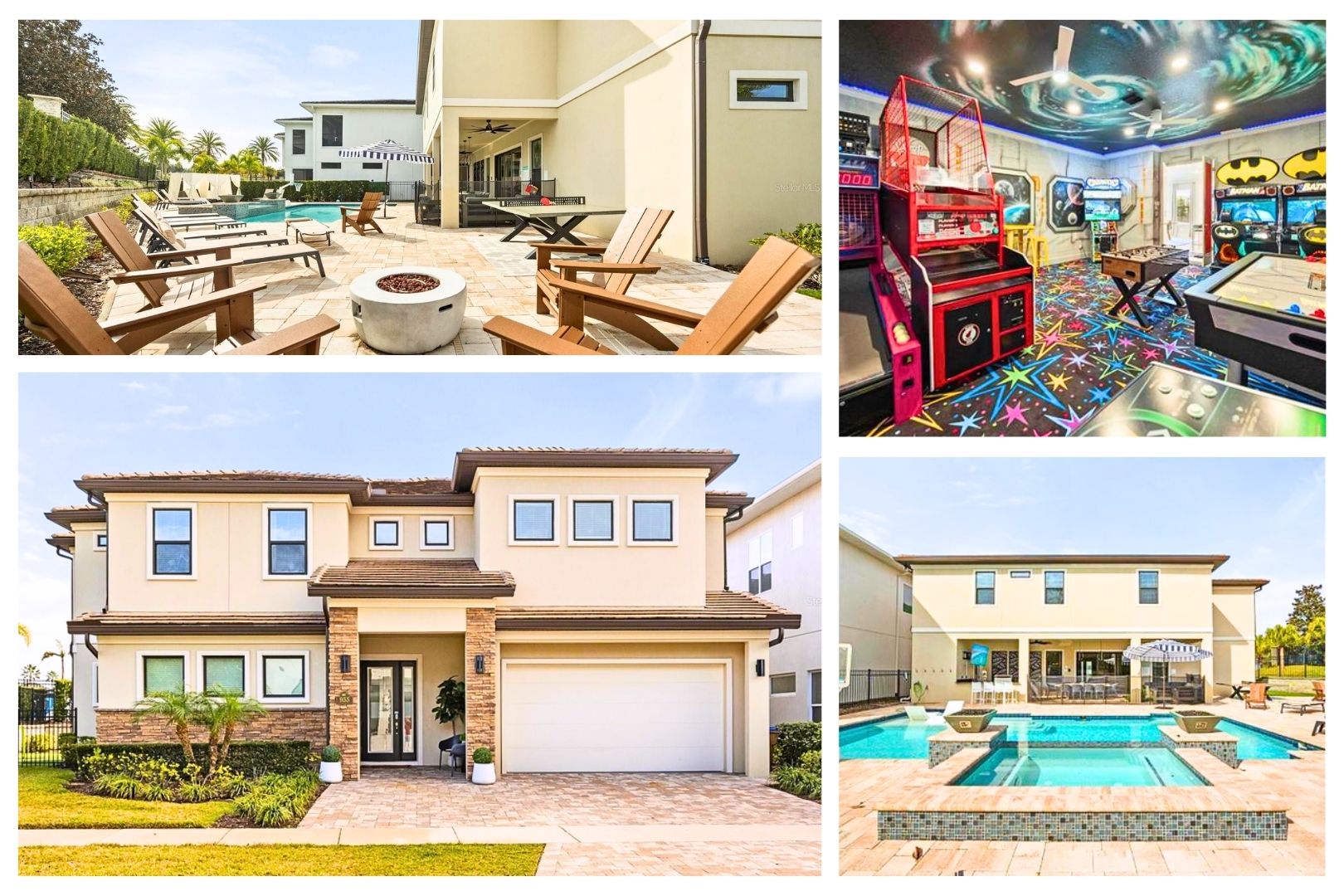
Kissimmee, Florida sits within 10 to 30 minutes of Walt Disney World — and that single fact drives one of the most active short-term rental markets in the entire country. But buying a vacation rental here involves far more than picking a house with a pool and a themed bedroom. Smart buyers come in with real questions about regulations, income potential, financing, and management — and this guide answers the ten most common ones so you can move forward with clarity and confidence.
Why Kissimmee Is One of the Top Vacation Rental Markets in the Country
Disney Proximity and Year-Round Demand
Kissimmee’s geographic position is simply hard to replicate. Sitting directly south of Walt Disney World along the I-4 corridor in Osceola County, the city places guests within 10 to 30 minutes of Magic Kingdom, EPCOT, Hollywood Studios, and Animal Kingdom. Because the draw extends well beyond Disney — Universal Studios and SeaWorld Orlando are both easily accessible — demand doesn’t hinge on a single attraction.
75 million visitors came to the greater Orlando-Kissimmee region in 2023, according to Experience Kissimmee, contributing billions in regional economic impact.
That volume of year-round visitation supports consistent occupancy rates across all seasons in ways that few other U.S. markets can match.
What Makes Kissimmee Different from Other Markets in the Region
What truly sets Kissimmee apart is the density of resort communities specifically zoned and designed for short-term rental use. Communities like Reunion Resort, Storey Lake, Solara Resort, Windsor at Westside, Solterra Resort, and Encore at Reunion were built from the ground up to accommodate vacation renters — their HOA documents permit it, their amenity packages support it, and their property management ecosystems are built around it.
This is a meaningful distinction from other parts of the Greater Orlando metro where residential HOAs may restrict or outright prohibit short-term rentals. In Kissimmee’s resort corridor, the entire community infrastructure is designed to help your investment perform.
Questions 1–3: Understanding the Rules and Zoning

Question 1 — Is Short-Term Renting Actually Legal in Kissimmee?
Yes — and Florida’s regulatory environment is among the most investor-friendly in the country. Under Florida Statute Section 509.032(7)(b), local governments are restricted from banning short-term rentals that were legally operating before June 1, 2011, establishing a strong legal foundation for the Kissimmee STR market at the state level. Kissimmee and Osceola County not only allow vacation rentals — they actively support them as a cornerstone of the local economy.
That said, legal doesn’t mean unregulated. Hosts must comply with Osceola County’s licensing and registration requirements and are required to collect and remit the Osceola County Tourist Development Tax — currently 6% of gross rental revenue. Combined with Florida’s state sales tax, the total tax burden on short-term rental revenue in Osceola County can reach approximately 12 to 13.5 percent.
The bottom line: Kissimmee is a green-light market for STR investment, but proper compliance is non-negotiable.
Question 2 — Do I Need a License to Rent My Kissimmee Property?
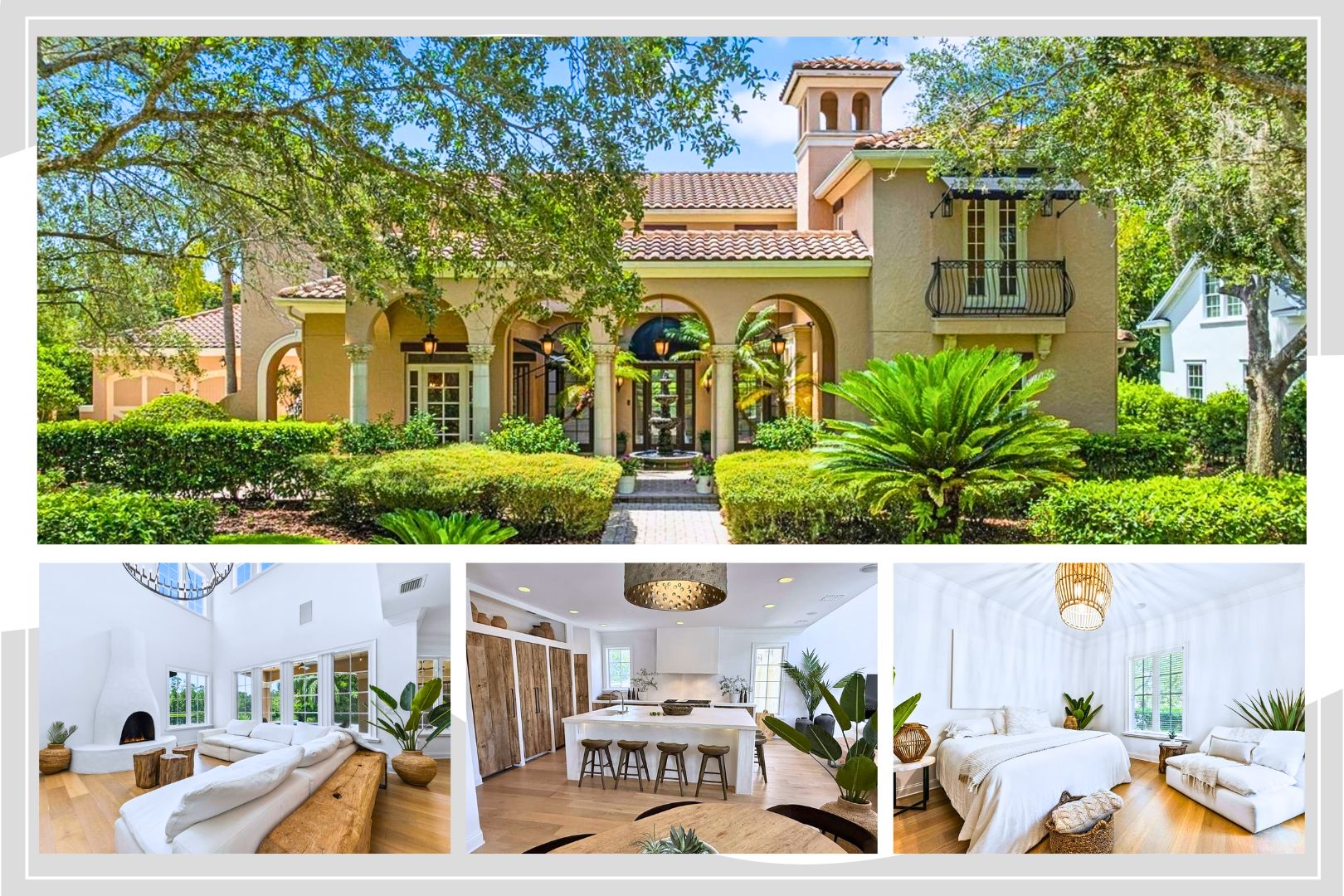
Yes. Any property rented more than three times per year for periods of less than 30 consecutive days must be licensed through the Florida Department of Business and Professional Regulation (DBPR) as a vacation rental. The process involves:
- A property inspection
- A DBPR application (currently approximately $170 for initial application and annual renewal for a single-family vacation rental, though fees vary for condominium units and multi-unit properties)
- Annual renewal
Osceola County also separately requires a local business tax receipt and registration for tourist tax collection. If that sounds like a lot of paperwork, keep this in mind: the Kissimmee market has been operating at scale for decades. Local property management companies navigate this process routinely, and for out-of-state buyers especially, a full-service manager typically handles licensing compliance as part of their standard service package.
Question 3 — Can the HOA Restrict My Ability to Rent?
This is arguably the most critical due diligence question in the entire purchase process. HOA governing documents are legally binding and supersede your personal intentions for the property. The good news is that Kissimmee’s purpose-built vacation rental resort communities — Storey Lake, Reunion Resort, Solara Resort, Windsor at Westside, and others along the US-192 and US-27 corridors — have CC&Rs that explicitly permit and in many cases actively support short-term rental activity.
The real risk arises when buyers look outside these designated resort communities at properties in standard residential neighborhoods where HOAs may prohibit rentals of less than 30 days. Before making an offer on any Kissimmee property you intend to use as a vacation rental, request the full HOA governing documents and review them carefully.
Don’t assume — verify.
Questions 4–6: The Financial Picture
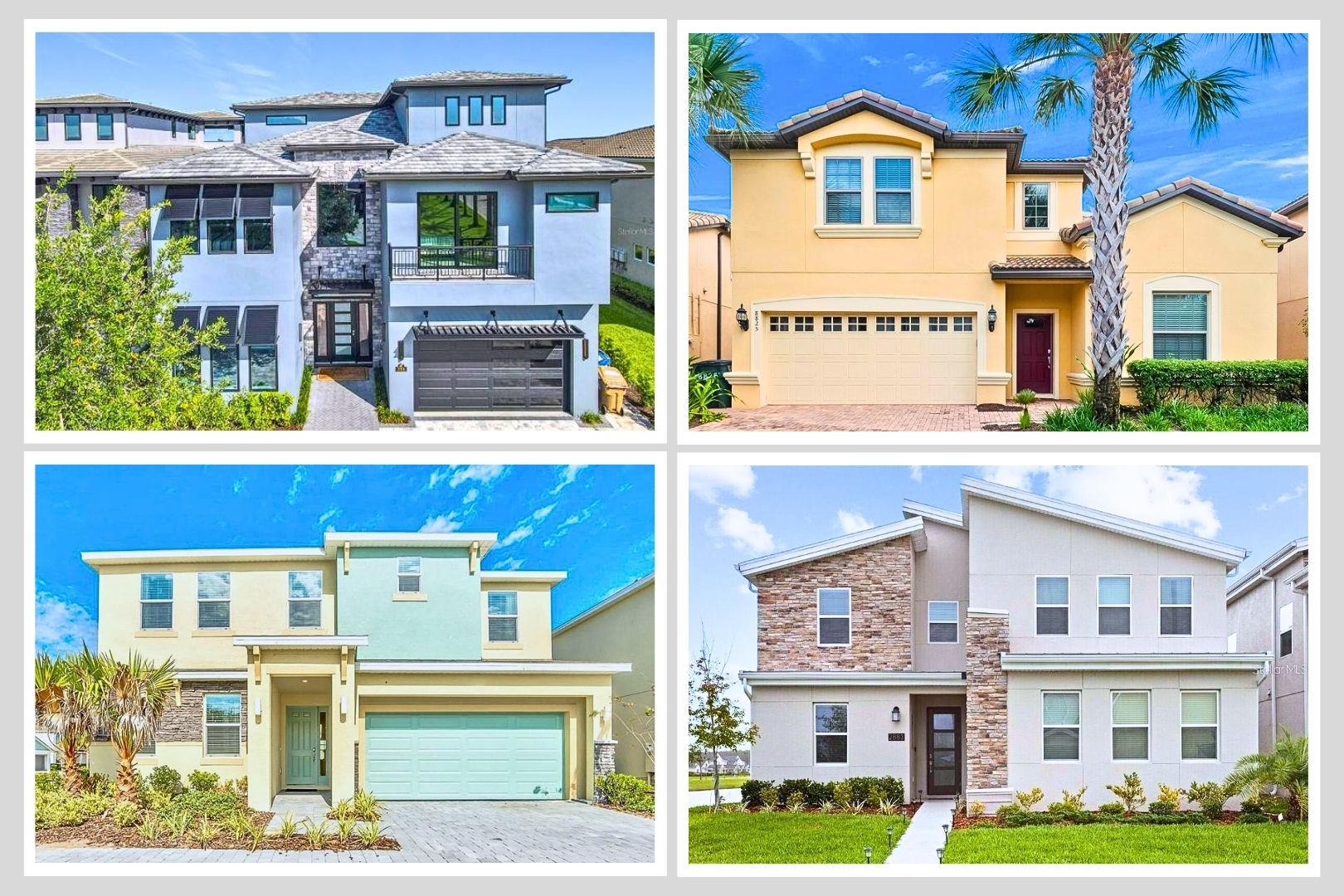
Question 4 — How Much Can I Realistically Earn from a Kissimmee Vacation Rental?
Rental income varies considerably based on property size, community amenities, management quality, and how the listing is positioned on Airbnb and Vrbo. According to AirDNA market data for the Kissimmee corridor, here’s what well-managed properties can realistically generate:
| Property Type | Estimated Annual Gross Revenue | Average Daily Rate (Peak) |
|---|---|---|
| 4-Bedroom Resort Home (median–strong performer) | $45,000 – $75,000 | $175 – $275/night |
| 6–8 Bedroom in High-Amenity Community | $80,000 – $120,000+ | $300 – $500+/night |
Kissimmee vacation rentals have historically maintained average annual occupancy rates between 60 and 72 percent across the broader market — with well-managed properties in popular communities regularly exceeding 85 to 90 percent during summer weeks and holiday periods.
Buyers should request current AirDNA Rentalizer data for any specific property and community they are evaluating, as market conditions shift year to year.
Question 5 — What Are the Ongoing Expenses I Should Budget For?

Understanding the expense side of the ledger is just as important as projecting income. HOA fees in Kissimmee’s resort communities are a significant fixed cost. Here’s how the major communities compare:
| Community | Estimated Monthly HOA Fees |
|---|---|
| Storey Lake | $300 – $500 |
| Windsor at Westside | $400 – $650 |
| Solara Resort | $400 – $650 |
| Encore at Reunion | $700 – $1,000+ |
HOA fees are subject to change, so buyers should verify current fees directly with community management prior to making an offer. Beyond that, budget for:
- Property management fees: 20–30% of gross rental revenue for full-service management
- Osceola County property taxes: approximately 1.0–1.3% of assessed value for non-homestead investment properties (verify current millage at property.osceola.org)
- Insurance with a short-term rental policy or STR rider
- Utilities, pool and lawn maintenance, and platform fees
- A furniture replacement reserve — vacation rental properties see considerably heavier use than primary residences
Pro Tip: Build your furniture replacement reserve into your budget from day one. Underestimating wear-and-tear costs is one of the most common mistakes first-time vacation rental buyers make in this market.
Question 6 — Can I Get a Conventional Mortgage for a Kissimmee Vacation Rental?
Conventional financing is available for investment properties, but the terms differ meaningfully from primary residence loans. Most lenders require 15 to 25 percent down, and some will not allow projected rental income to be used for qualification purposes.
An increasingly popular alternative in the Kissimmee market is the DSCR loan — Debt Service Coverage Ratio financing — which qualifies the borrower based on the property’s projected rental income rather than personal income documentation. Lenders typically require a DSCR of 1.0 to 1.25, meaning projected rental income should equal or exceed 100 to 125 percent of monthly debt service. These loans generally require 20 to 25 percent down and carry rates somewhat above conventional investment property rates, but they open the door for self-employed buyers, retirees, and investors with complex income profiles.
One important note on taxes: vacation rental properties in Kissimmee are not eligible for Florida’s homestead exemption — meaning you’ll pay taxes on the full assessed value without the benefit of the Save Our Homes assessment cap.
Questions 7–8: Location, Communities, and Property Selection
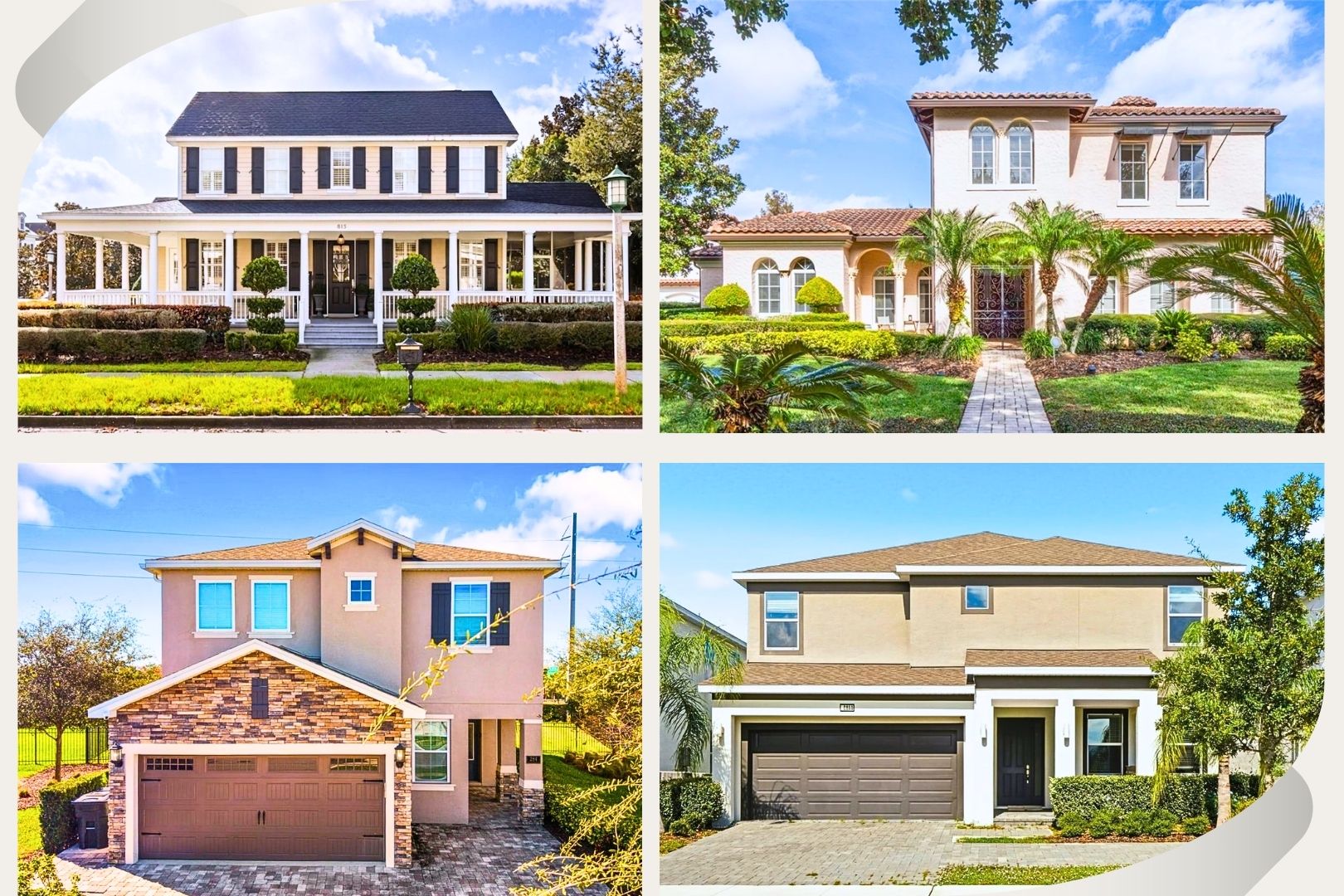
Question 7 — Which Kissimmee Communities Are Best for Vacation Rentals?
Several purpose-built resort communities in and around Kissimmee have established strong track records for vacation rental performance. Here’s how the major players compare:
| Community | Drive to Disney | Standout Features |
|---|---|---|
| Storey Lake | 5–10 minutes | Closest proximity to Disney’s main entrance; strong occupancy rates |
| Solara Resort | 10–15 minutes | Family-focused; surf simulator; ideal for Disney-trip families |
| Windsor at Westside | 15–20 minutes | Large, well-established resort community; extensive on-site amenities |
| Solterra Resort | 15–20 minutes | Mid-tier price point; solid rental performance; easy US-192 access |
| Reunion Resort | 20–25 minutes | Gated, golf-centered; world-class amenities; premium nightly rates |
| Encore at Reunion | 20–25 minutes | Water park-style amenity center; highest achievable nightly rates in the market |
Each community has its own fee structure, management ecosystem, and rental track record. Direct comparisons between properties should always account for community-level differences rather than market averages alone.
Question 8 — What Property Features Drive the Highest Rental Income Near Disney?
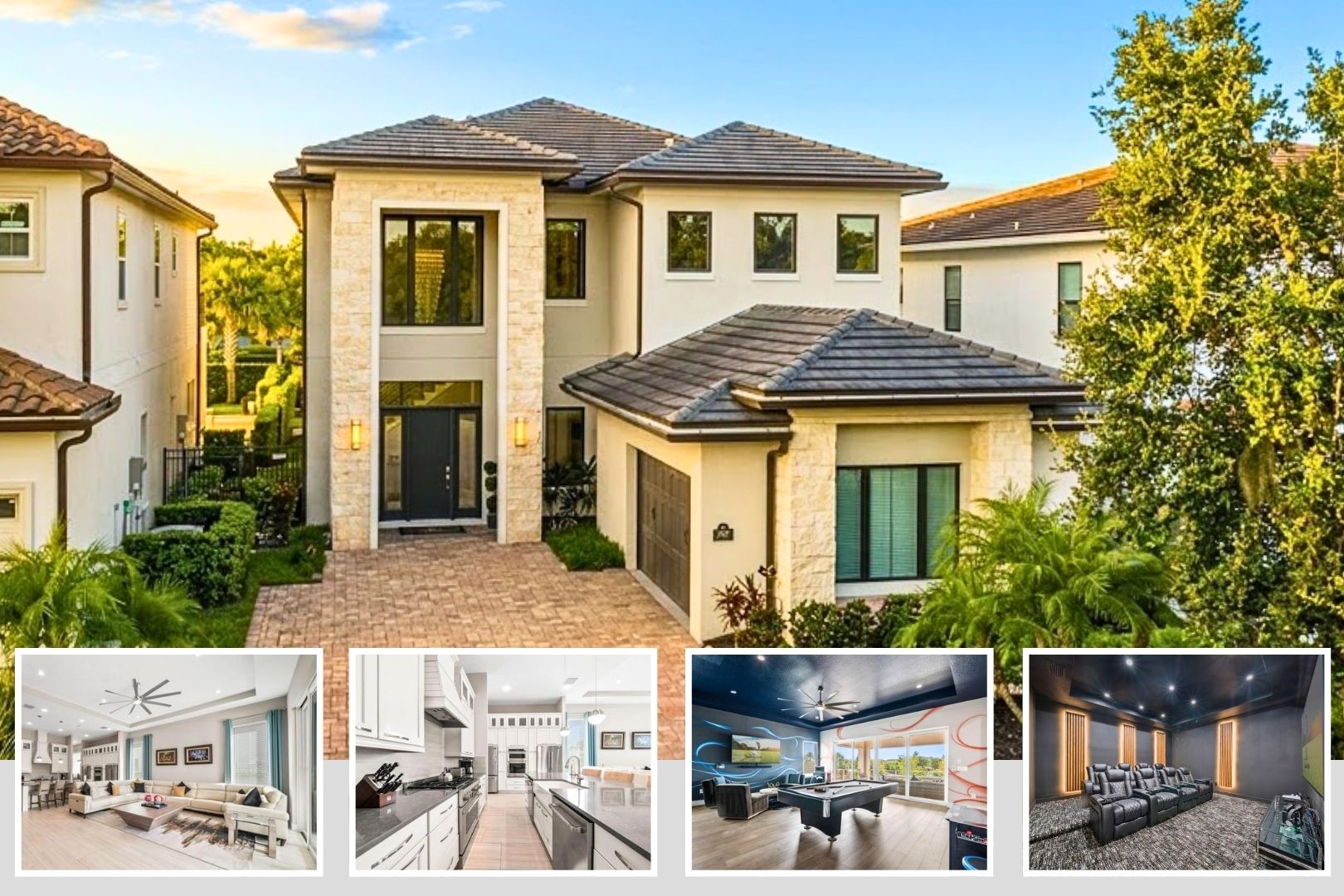
In the Kissimmee vacation rental market, certain features consistently separate high-performing properties from average ones. A private pool is essentially non-negotiable — guests booking Disney-area vacation homes expect it, and listings without one face a meaningful competitive disadvantage.
Beyond the pool, these features drive the most significant income premiums:
- Themed bedrooms — Disney princess suites, Marvel rooms, Star Wars spaces — generate significant booking interest and justify premium nightly rates, particularly from families traveling with young children.
- Game rooms and home theater setups appeal to larger groups and extend time guests spend on the property.
- Five or more bedrooms opens the listing to large family reunions and corporate retreat bookings, a growing segment in this market.
- Resort community amenities — lazy rivers, fitness centers, golf, water parks — add perceived value that supports higher base rates.
Pro Tip: Evaluate properties not just on current condition but on their potential to add high-ROI features through renovation. Properties that combine strong community amenities with thoughtfully appointed interiors consistently outperform market averages in both occupancy and average daily rate.
Questions 9–10: Management and Personal Use

Question 9 — Do I Need a Property Management Company or Can I Self-Manage?
The vast majority of out-of-state buyers in the Kissimmee market use a local property management company — and the ecosystem here is exceptionally well-developed relative to other vacation rental markets. Full-service managers handle listing creation and optimization, dynamic pricing, guest communication, cleaning coordination, maintenance dispatch, and tourist tax remittance.
Self-management is technically possible through Airbnb and Vrbo with remote co-hosts and a reliable local cleaning and maintenance network, but it demands strong systems and active daily involvement. Before committing to a management company, interview multiple options, ask for documented performance data on comparable properties in the same community, and understand the full fee structure before signing a contract.
One critical due diligence note: some Kissimmee resort communities have preferred or exclusive management arrangements — discover this before you close, not after.
Question 10 — Can I Use the Property Myself and Still Generate Rental Income?
Yes, owners can block personal use periods through their Airbnb or Vrbo listings, and property management companies accommodate owner reservations as part of their standard service. However, timing matters — significantly.
Summer weeks, spring break, and the Thanksgiving-through-New-Year’s stretch are the highest-earning rental periods in this market. Kissimmee vacation rental nightly rates during peak periods can run 40 to 80 percent higher than off-peak rates — a property averaging $200 per night in January might command $320 to $360 or more in July or over the holidays. Blocking those peak windows for personal use carries a real, quantifiable income opportunity cost.
There’s also a tax consideration worth knowing. Under IRS Publication 527, if personal use of the property exceeds 14 days per year or 10 percent of total rental days — whichever is greater — the IRS may reclassify the property as a personal residence, significantly limiting your ability to deduct rental expenses. Consult a CPA with Florida short-term rental experience before finalizing your personal use calendar.
Making Your Move — What to Do Next as a Kissimmee Vacation Rental Buyer
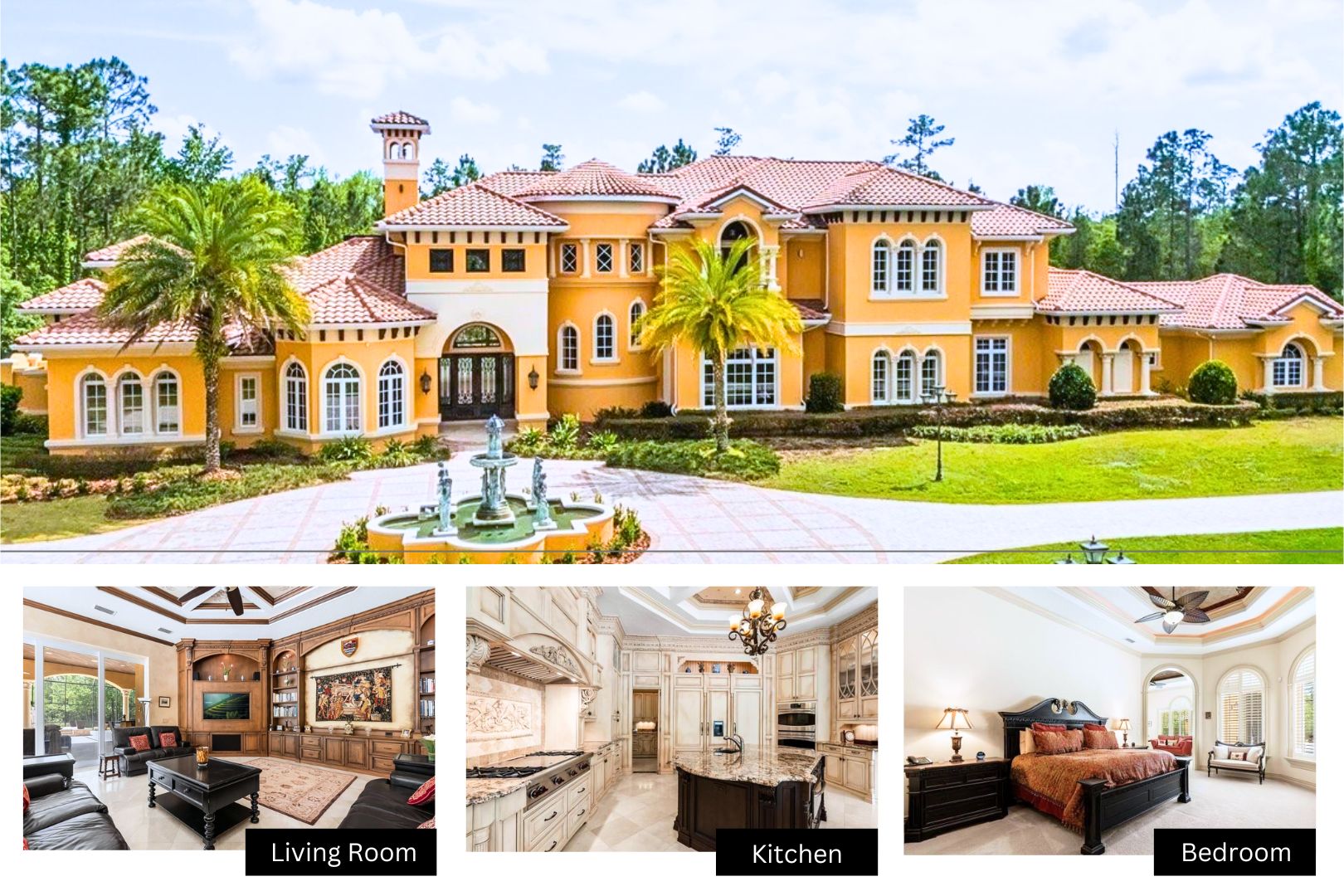
Buyers who arrive prepared move faster, negotiate with more confidence, and avoid costly surprises. Your due diligence checklist should cover:
- Verifying STR zoning and HOA governing documents for the specific property
- Confirming DBPR licensing requirements
- Analyzing comparable rental income data for properties in the same community
- Securing financing pre-approval with a lender experienced in investment properties
- Interviewing property management companies before closing rather than after
Working with a local real estate professional who specializes in Kissimmee vacation rental properties is a meaningful advantage — someone who understands the resort communities, can run STR income analysis, and knows how to interpret HOA documents critically.
Osceola County has seen substantial population growth — approximately 35 to 40 percent over the past decade based on U.S. Census Bureau estimates — with home values appreciating roughly 4 to 6 percent year-over-year as of late 2024 and early 2025, according to Florida Realtors market statistics and Osceola County Property Appraiser data.
The Kissimmee market moves quickly in desirable communities. Buyers who come prepared are the ones who act rather than hesitate — and the right property, in the right community, managed the right way, can deliver meaningfully on both the lifestyle and financial fronts.
Frequently Asked Questions About Buying a Vacation Rental Near Disney in Kissimmee
Do vacation rental properties in Kissimmee appreciate in value?
The Kissimmee and broader Osceola County market has historically shown strong demand from both end-users and investors, supporting price stability and appreciation over time. Following the significant run-up in values between 2020 and 2023, the market has moderated to a more sustainable pace — year-over-year appreciation in the 4 to 6 percent range as of 2024 to 2025, according to Florida Realtors market statistics. Resort communities with strong rental track records and established amenity packages tend to hold value well because they attract two buyer pools simultaneously: investors seeking income and families wanting a permanent Disney-area home base. As with any real estate investment, evaluate a property on its current income fundamentals rather than relying solely on projected appreciation.
What is the Osceola County Tourist Development Tax and who pays it?
The Tourist Development Tax is a 6% tax on short-term rental revenue that hosts are required to collect from guests and remit to Osceola County. It is paid by the guest as part of their total booking cost, then forwarded to the county by the host or their property management company. Most full-service property managers handle this automatically as part of their service. Owners who self-manage must register with Osceola County independently and remit on the required schedule — failure to do so can result in penalties and back taxes.
Are there restrictions on how many days per year I can rent my Kissimmee vacation home?
Florida state law and most of Kissimmee’s STR-designated resort communities do not impose annual rental day caps. However, this should be confirmed at the specific community level during due diligence, as individual HOA documents may include provisions that differ from the general rule. The IRS’s 14-day personal use rule discussed under Question 10 is a separate consideration that affects how the property is treated for tax purposes rather than its local legal status as a rental.
What is a DSCR loan and is it a good option for buying a Kissimmee vacation rental?
A DSCR loan qualifies the borrower based on the property’s projected rental income relative to its debt payments rather than traditional personal income documentation. If expected income covers the mortgage payment at or above the lender’s required ratio — typically 1.0 to 1.25 — the borrower can qualify regardless of how their personal income is structured. These loans are widely used in the Kissimmee vacation rental market and are particularly well-suited for self-employed buyers, retirees, or investors with multiple properties who may not qualify cleanly under standard income verification. Work with a lender experienced specifically in Florida vacation rental investment financing to get current rate and term quotes.
How close are major Kissimmee vacation rental communities to Walt Disney World?
Approximate drive times to Walt Disney World’s main entrance vary by community. Storey Lake is among the closest at roughly 5 to 10 minutes, owing to its position along the 535 corridor adjacent to Disney’s southeastern boundary. Solara Resort is approximately 10 to 15 minutes. Windsor at Westside runs approximately 15 to 20 minutes. Reunion Resort and Encore at Reunion are approximately 20 to 25 minutes via US-27. All times are estimates and are meaningfully affected by traffic — US-192 and I-4 both experience significant congestion during peak park hours. Personally drive the route from any property you are seriously considering, at different times of day.
Can I rent my Kissimmee vacation rental on both Airbnb and Vrbo at the same time?
Yes, and most experienced Kissimmee operators list on multiple platforms simultaneously to maximize visibility and occupancy. The key tool that makes this manageable is channel management software, which syncs availability calendars across all platforms in real time to prevent double-bookings. Most full-service property management companies operating in the Kissimmee resort corridor use channel management systems as a standard part of their operation, making multi-platform listing seamless for owners who prefer a hands-off approach.
Ready to Find Your Kissimmee Vacation Rental?

Kissimmee remains one of the strongest short-term rental markets in the country — and that distinction is well-supported by the fundamentals. Tens of millions of annual visitors, a purpose-built resort community infrastructure, a state regulatory environment that supports STR investment, and sustained demand from buyers around the world who recognize the area’s unique combination of lifestyle and income potential all point in the same direction.
Buyers who do their homework on zoning, HOA rules, income projections, expenses, and management options are well-positioned to make a smart, durable investment here. The process has moving parts, but none of them are beyond reach with the right local knowledge at your side. If you’re ready to take the next step toward purchasing a vacation rental near Disney in Kissimmee, reach out — we’d be glad to help you navigate the process from your first questions all the way to closing.