


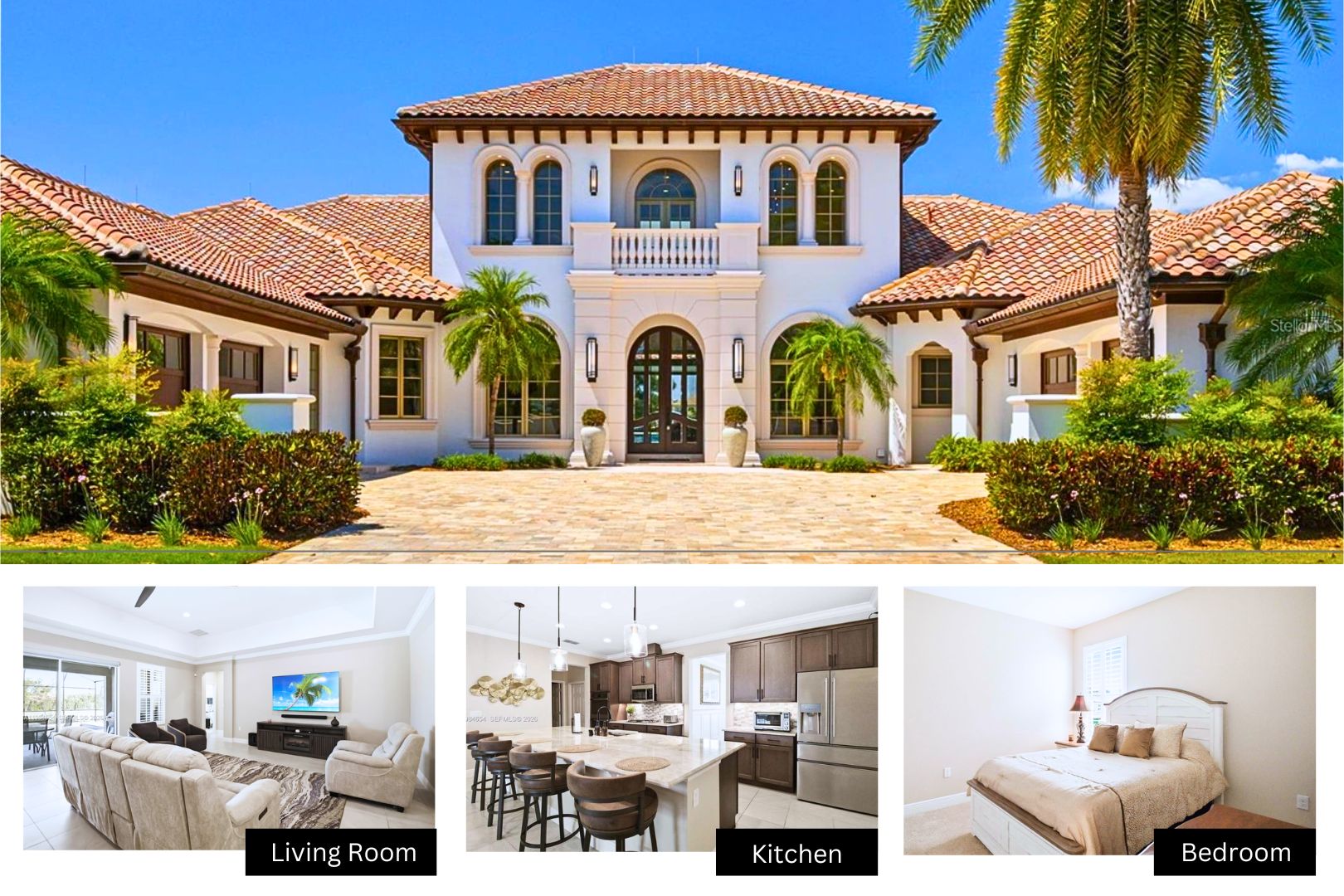
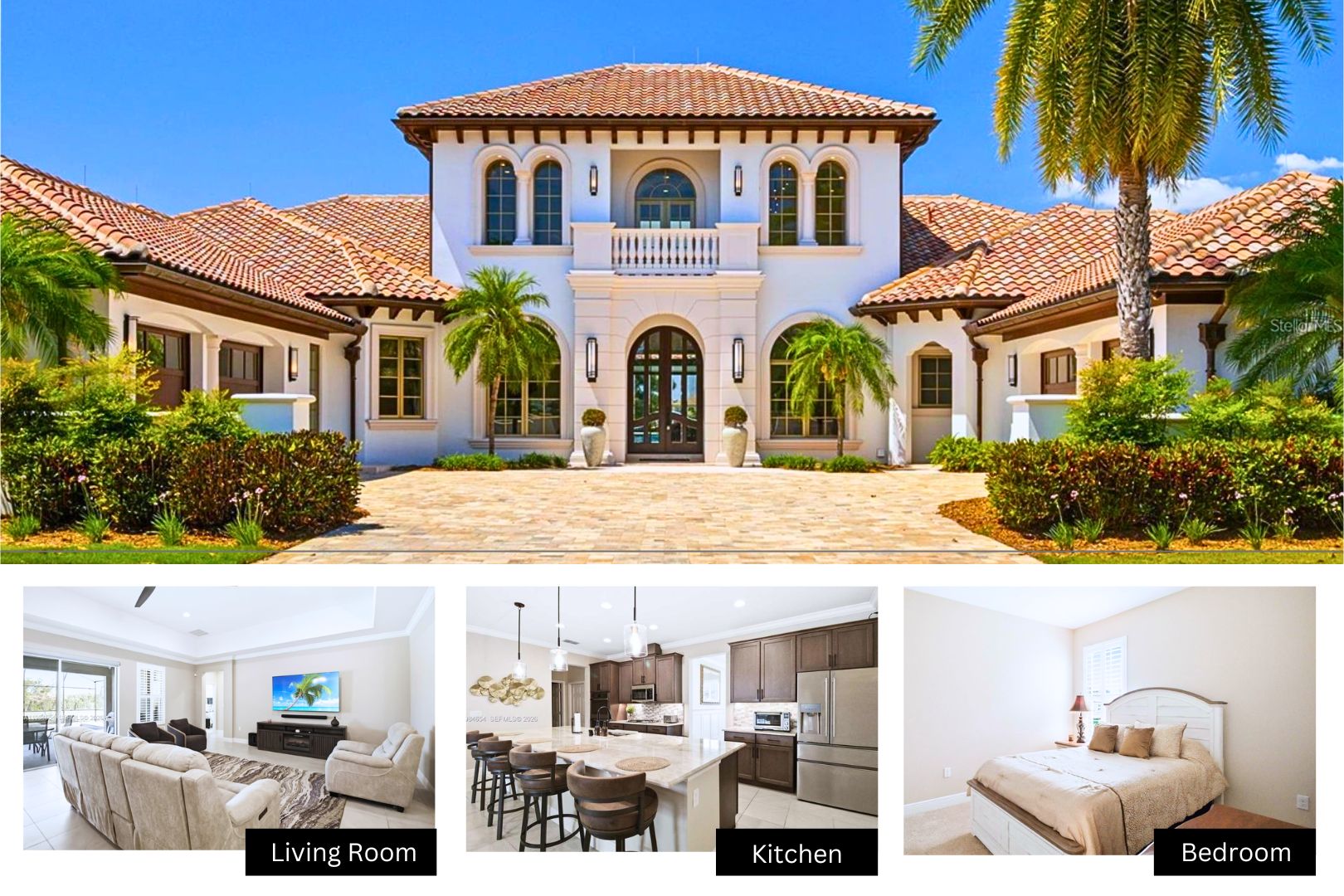
Winter Garden isn’t just surviving the 2026 housing market — it’s making the rest of the Orlando metro look like a different asset class. While inventory piles up in outer-ring communities and days on market stretch across much of the region, Winter Garden continues to hold ground with a consistency that stands out in the data.
This isn’t a coincidence or a blip. Winter Garden’s outperformance is the product of stacked, identifiable fundamentals that most of the Orlando metro simply cannot replicate. Understanding those fundamentals matters whether you’re thinking about buying here, already own, or are still deciding where in the Orlando area to plant roots.
Understanding the Greater Orlando Market Baseline in 2026
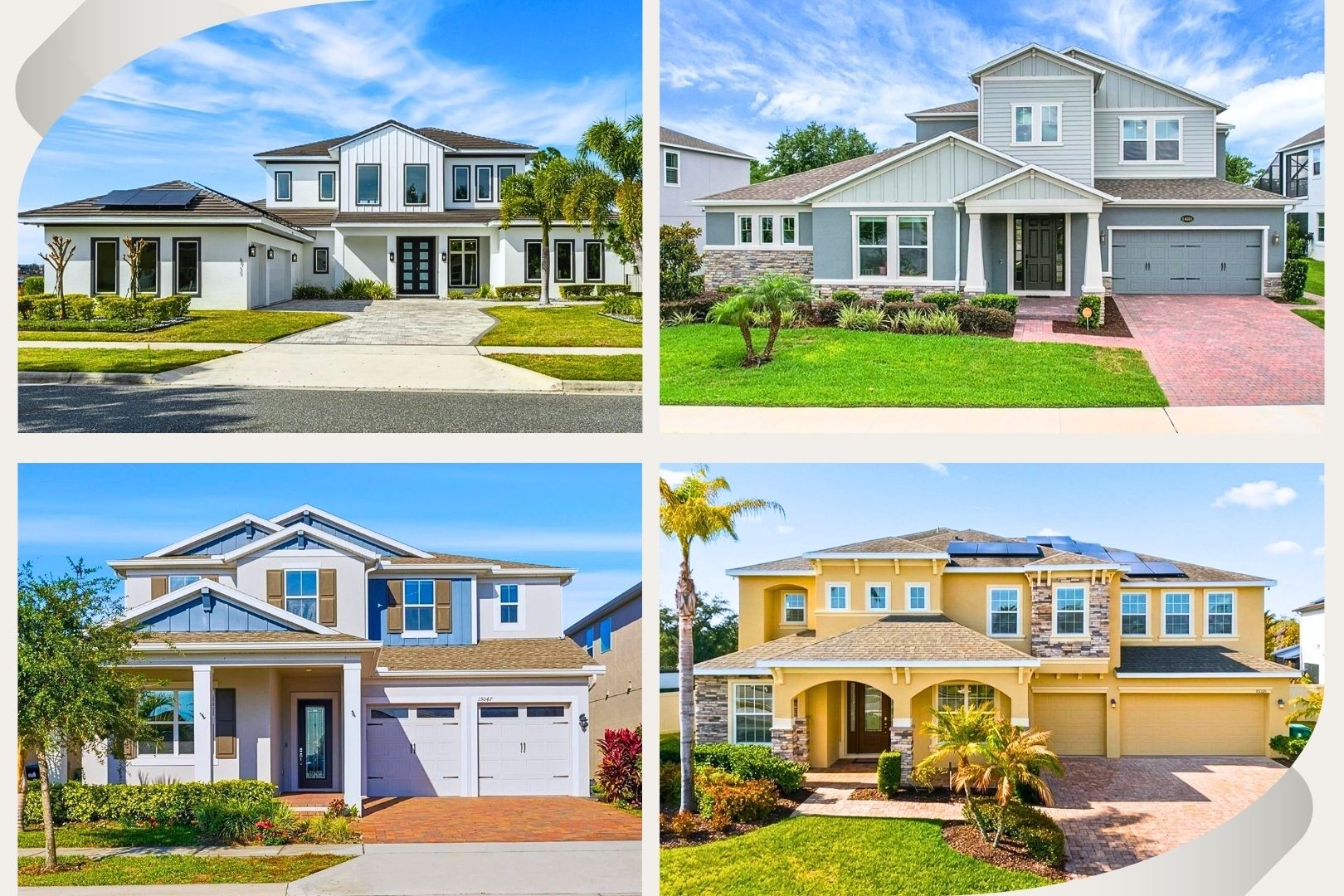
What the Broader Orlando MSA Is Experiencing
The Orlando metro has remained one of Florida’s most closely watched housing markets, but 2025 into 2026 brought meaningful differentiation across its submarkets. Inventory has expanded in several outer-ring communities — particularly in newer, more speculative developments that absorbed aggressive building programs during the post-pandemic surge. In those pockets, sellers have had to work harder: longer days on market, more price reductions, and a buyer pool that has grown more patient as interest rate conditions reset expectations.
The Orlando MSA median existing home sale price hovered around $390,000–$400,000 as of late 2024, per Florida Realtors and Orlando Regional REALTOR Association data.
Year-over-year appreciation has moderated significantly from the double-digit gains seen in 2021 and 2022. Certain outer suburban corridors are posting flat or slightly negative year-over-year figures. The list-to-sale price ratio has drifted below 100% in many areas — meaning sellers are routinely accepting offers below asking, a dynamic that was nearly unthinkable two years ago.
How Winter Garden’s Numbers Compare
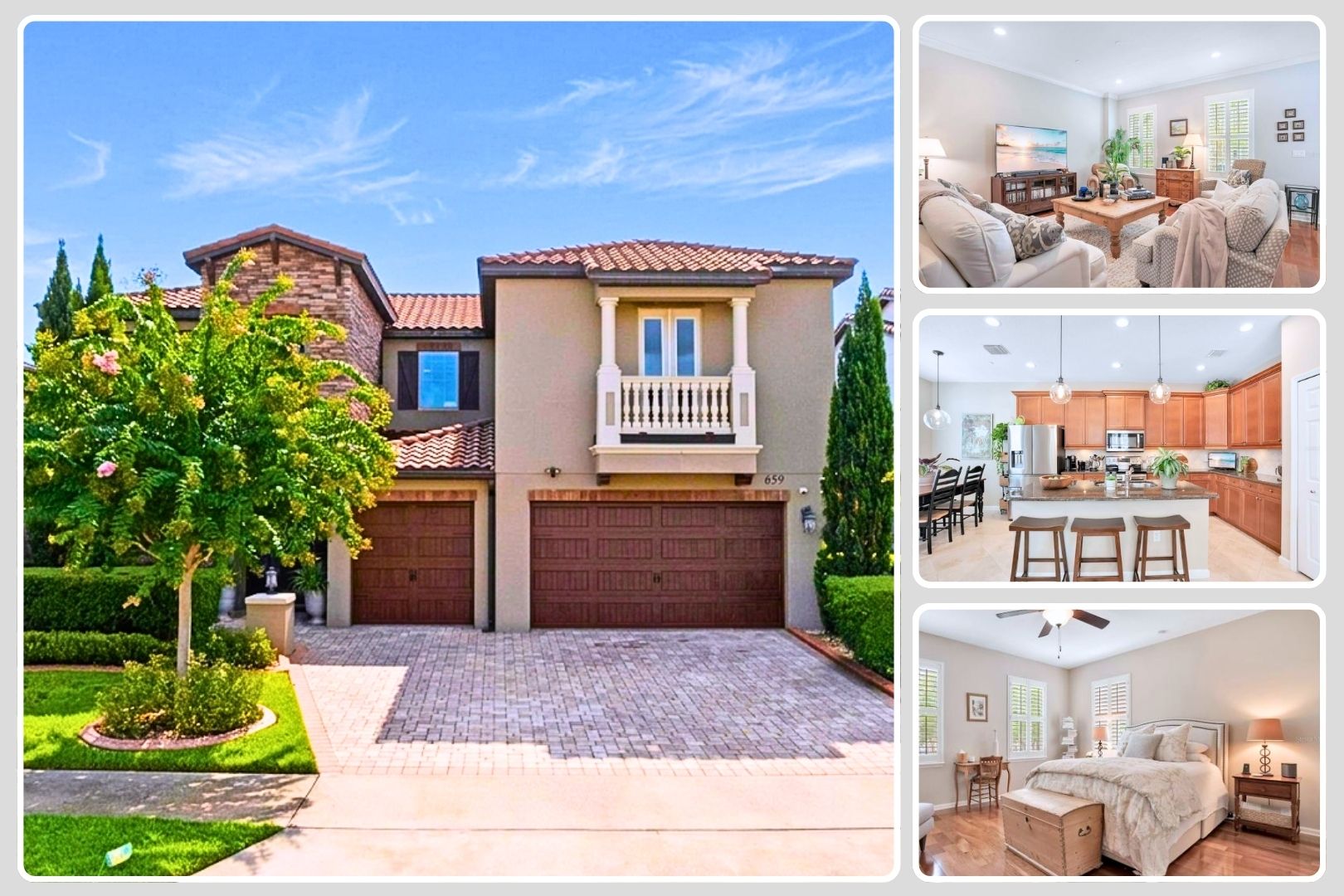
Winter Garden tells a notably different story within that same regional context. The submarket has consistently posted median sale prices running meaningfully above the broader MSA median — a durable premium that has held even as surrounding areas plateaued.
Well-priced homes in Winter Garden have been moving in approximately 30–45 days on market, with properties in desirable school zones and downtown-adjacent neighborhoods seeing faster absorption.
Year-over-year price appreciation here has outpaced the broader metro’s uneven performance — a trend supported by ORRA submarket reporting through mid-to-late 2024.
Editor’s note: Pull the most current median sale price, days on market, and year-over-year appreciation figures from ORRA’s monthly market statistics report for Winter Garden immediately before publication. These are the figures readers are most likely to verify independently, and all source attributions should reference ORRA or Florida Realtors data only.
The Downtown Winter Garden Effect — Lifestyle Drives Demand
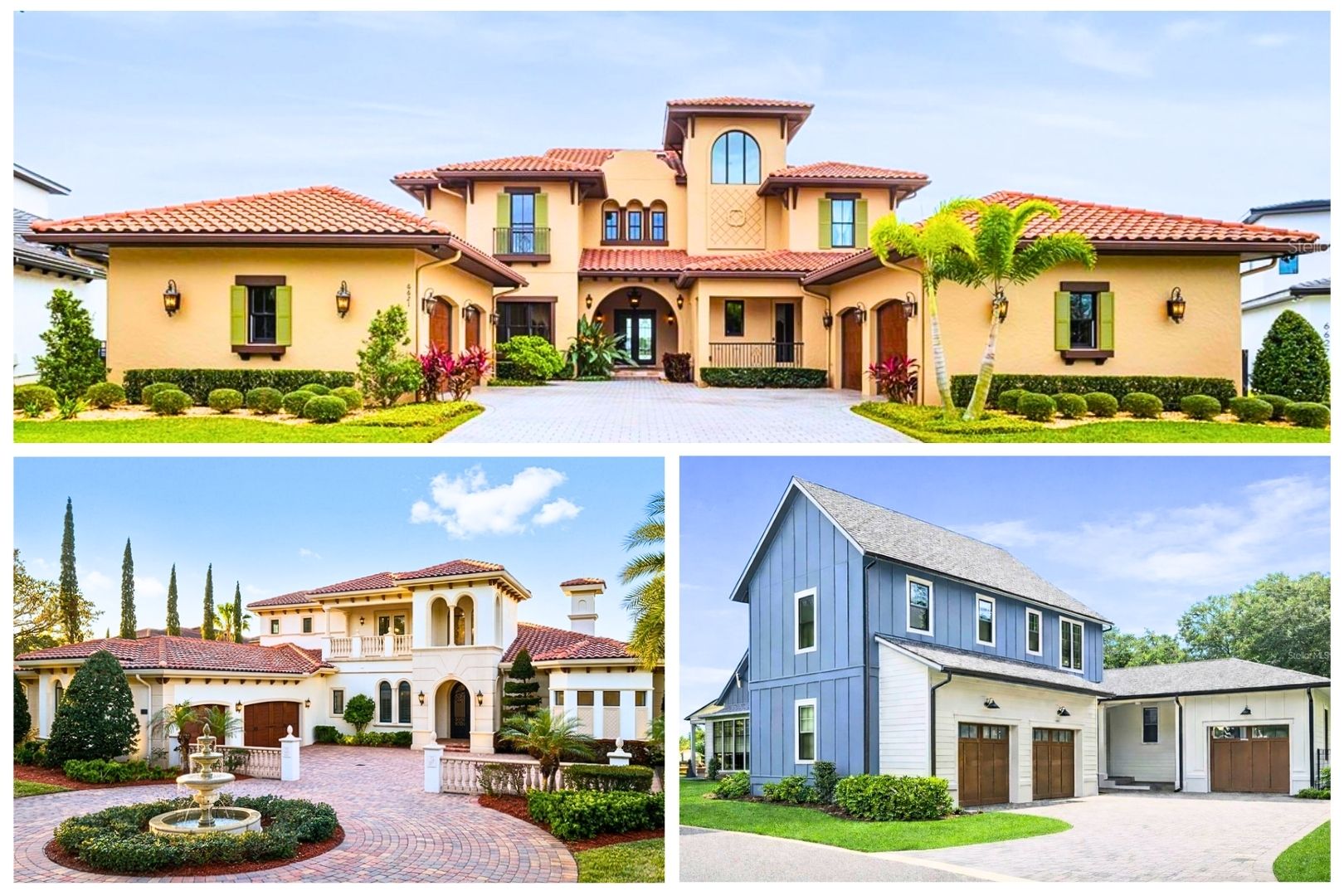
Plant Street and the Walkable Downtown Core
There is a reason buyers who could technically afford to live anywhere in the western Orlando corridor keep gravitating toward Winter Garden specifically: Plant Street. The walkable downtown core anchored by Plant Street offers a kind of urban-adjacent lifestyle that is genuinely rare in Central Florida suburbia. Plant Street Market — a curated indoor market featuring local vendors, craft food, and community gathering space — has become a regional draw, not just a neighborhood amenity.
The Garden Theatre on Plant Street brings live performance and cultural programming to what might otherwise be just another suburban main street. Independent restaurants, boutique retail, and the weekly Saturday Farmers Market create the kind of daily life texture that buyers pay a premium for — and, critically, are reluctant to leave.
Walkable, amenity-rich downtown districts create what market analysts sometimes call inelastic demand. The buyers drawn to them chose a lifestyle, not just a house, and that commitment to place provides a demand floor that more anonymous subdivisions simply don’t enjoy.
The West Orange Trail and Outdoor Lifestyle Premium

Running directly through the heart of Winter Garden, the West Orange Trail stretches approximately 22 miles as a paved, multi-use path connecting Winter Garden to Oakland to the west and the broader Orange County trail network to the east. The trailhead in downtown Winter Garden — adjacent to the historic train depot — is a community institution, drawing cyclists, walkers, and runners daily.
Proximity to trail access has become a measurable pricing factor in comparable Florida markets. Homes within easy walking or cycling distance of Winter Garden’s trail access points carry an implied lifestyle premium that buyers increasingly seek. The Lake Apopka trail system — including the North Shore Trail managed by the St. Johns River Water Management District — adds another layer of outdoor recreation appeal for nature-oriented buyers, with the broader network continuing to expand.
💡 Pro Tip: If you’re evaluating homes in Winter Garden, check the walking distance to the nearest West Orange Trail access point. Trail proximity has become a consistent pricing factor — and a quality-of-life differentiator that doesn’t depreciate.
That lifestyle appeal doesn’t exist in a vacuum. It’s backed by the kind of school district performance and family infrastructure that buyers with children specifically seek out.
School Quality as a Market Stabilizer
Orange County Public Schools in the Winter Garden Zone
School zones are not just a checkbox for family buyers — they are one of the most powerful structural demand drivers in any residential market. Winter Garden’s position within Orange County Public Schools gives it access to a cluster of highly regarded campuses that draw families from across the metro.
Orange County Public Schools serves well over 200,000 students, making it one of the largest school districts in the United States — a scale that supports robust academic programming, dedicated funding, and competitive offerings that smaller districts cannot match.
The school cluster serving Winter Garden includes several standout campuses worth knowing:
- Whispering Oak Elementary has maintained consistently strong Florida Department of Education school grades, earning a reliable reputation among family buyers evaluating downtown-adjacent neighborhoods.
- West Orange High School offers an International Baccalaureate program — one of the most distinctive academic differentiators in the western Orange County corridor — serving students from Winter Garden and surrounding communities.
- Sunridge Middle School and Bridgewater Middle School round out a school zone cluster that reliably draws families into specific Winter Garden neighborhoods.
Editor’s note: Confirm current FLDOE school grades for all schools at time of publication.
Why School Ratings Correlate with Home Value Resilience
The relationship between highly rated school zones and home price stability is well documented in residential real estate research. Families with children actively filter home searches by school zone before they filter by price tier — which concentrates demand within specific geographic boundaries and creates a demand density that cushions values during broader market corrections.
In practical terms, a home in a top-rated Winter Garden school zone competes within a smaller, more motivated buyer pool. That means it tends to sell faster and closer to list price even when the overall market is moving more slowly. That concentration of qualified, school-zone-motivated buyers is one reason Winter Garden’s absorption rates have held up while other parts of the metro have softened.
Infrastructure Investment and the SR-429 Growth Corridor
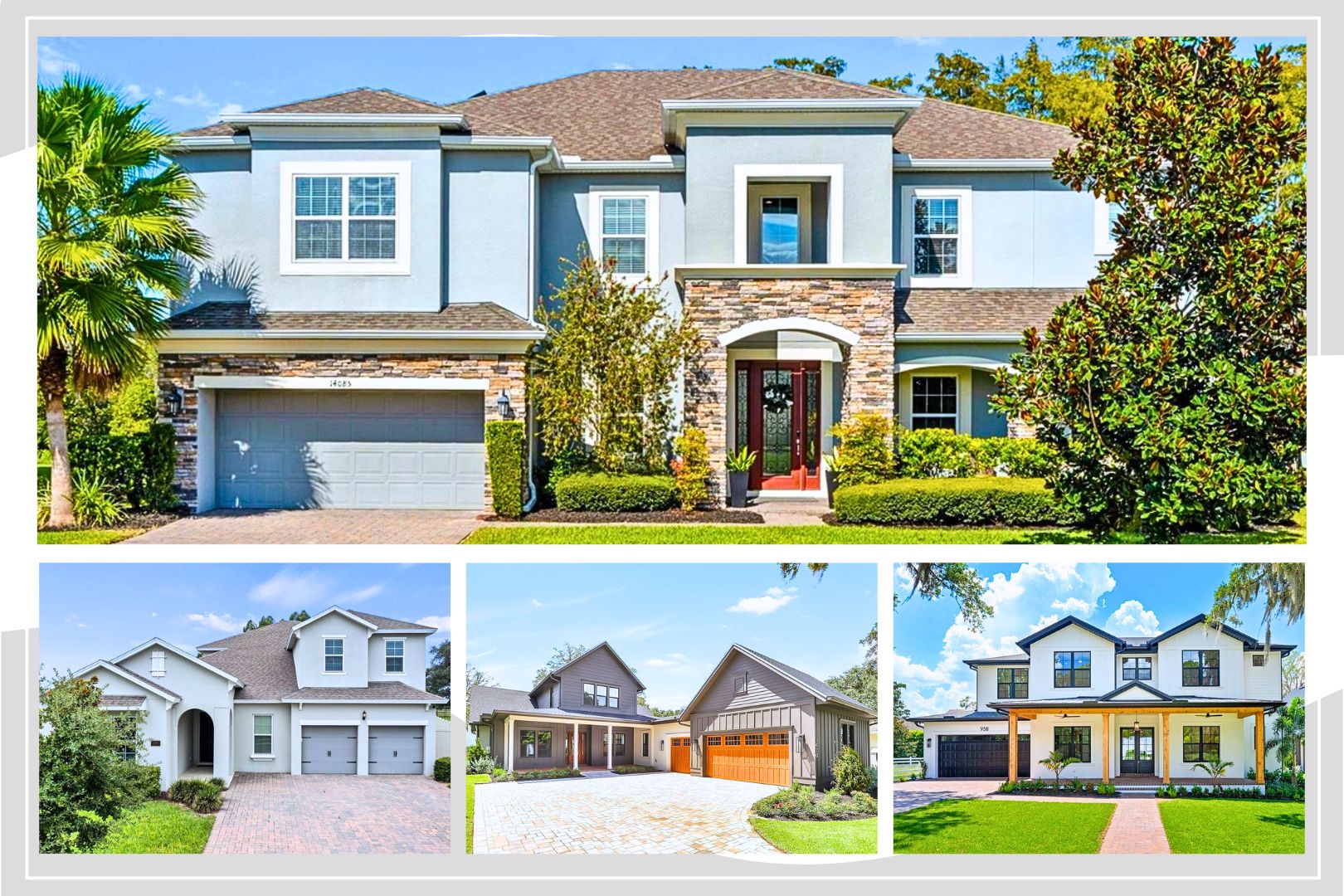
The Western Beltway and Regional Connectivity
One of the most underappreciated pillars of Winter Garden’s real estate story is the SR-429 Western Beltway. This toll corridor has fundamentally redrawn the commute map for the western Orlando metro, giving Winter Garden residents efficient access to employment centers across the region without touching I-4. That distinction carries real weight for buyers who have spent years watching I-4 gridlock define their daily experience.
The Horizons West master-planned development area, situated along the SR-429 corridor west of Winter Garden proper, represents one of the most deliberate large-scale suburban buildouts in Orange County. Ongoing residential and commercial expansion continues to bring new residents and services into Winter Garden’s gravitational orbit.
Employment Anchors Driving Relocation Demand
AdventHealth Winter Garden, located on SR-50, functions as both a significant regional healthcare employer and a community anchor that draws medical professionals and healthcare workers to the area as residents.
The broader AdventHealth system documented approximately 83,000 employees systemwide in its 2023 fact sheet — and the Winter Garden facility contributes meaningfully to stable, recession-resistant local employment.
Healthcare employment is notably durable through economic cycles, which means AdventHealth anchors a baseline of local economic activity that doesn’t evaporate with broader market downturns. Winter Garden Village along SR-50 adds a major retail and dining anchor, while the SR-429/SR-50 commercial corridor continues to attract medical office, professional services, and retail development.
The macro migration picture reinforces all of this. Florida’s no-state-income-tax status — combined with Orange County’s cost of living index tracking close to the national average — makes the area particularly compelling for out-of-state buyers relocating from higher-tax states. U.S. Census Bureau estimates documented a net population increase of approximately 444,000 new residents in Florida in 2022 alone, a macro migration trend that has continued funneling sustained demand into well-positioned metros like Winter Garden through subsequent years.
New Development Without Oversupply
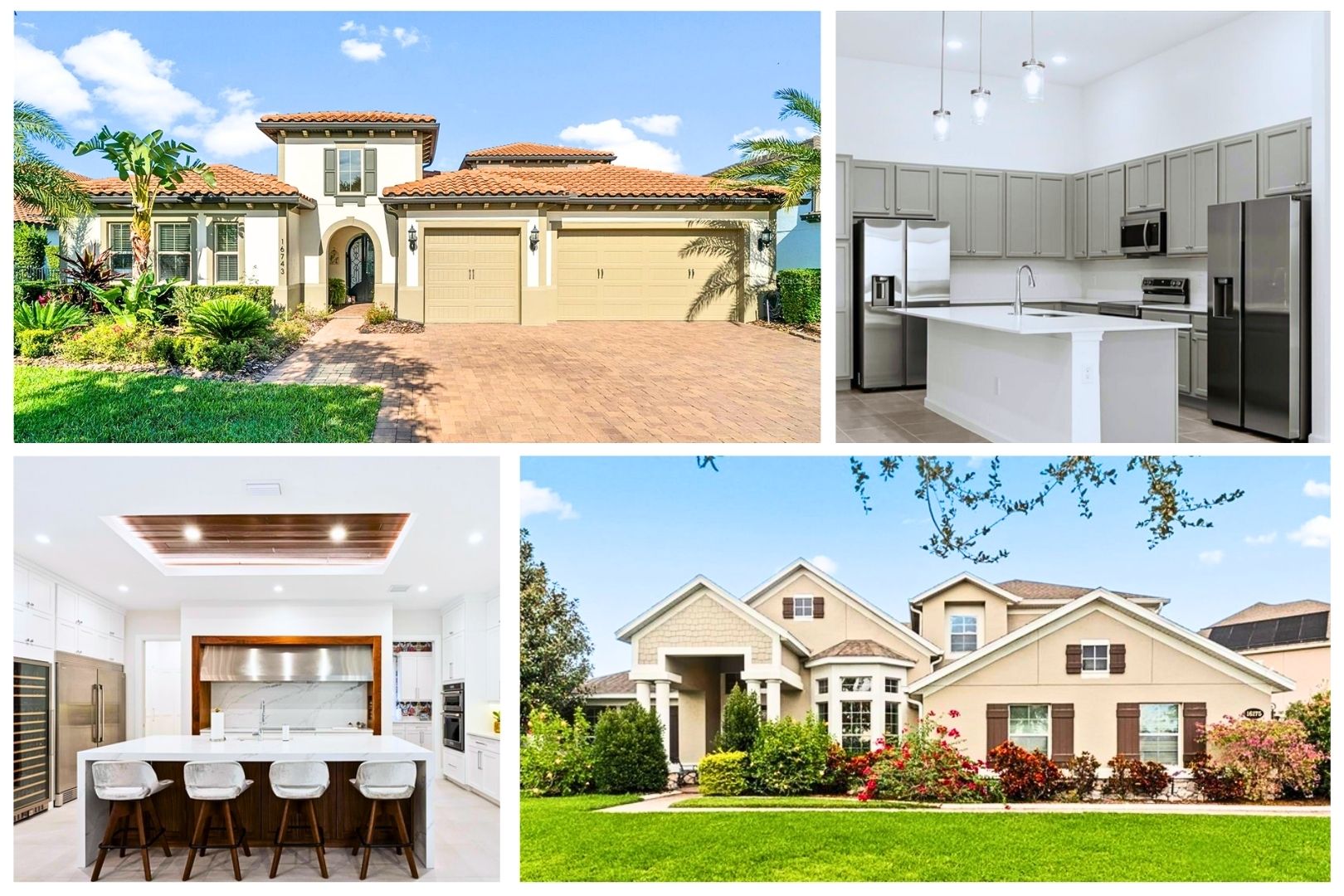
Communities like Waterleigh and Hamlin in the Horizons West area have added meaningful new construction inventory across multiple phases of development. The pace of new supply has remained measured relative to actual demand — a sharp contrast to some outer-ring Orlando submarkets where aggressive building outran absorption. That balance has prevented the oversupply dynamic that tends to suppress prices and extend days on market in more speculative development corridors.
💡 Pro Tip: When comparing new construction communities in the western Orlando corridor, look at absorption rate alongside price per square foot. A community where homes are selling quickly is usually a better signal of long-term value than one offering heavy builder incentives to move inventory.
Neighborhood-Level Demand — Where Buyers Are Focusing in Winter Garden
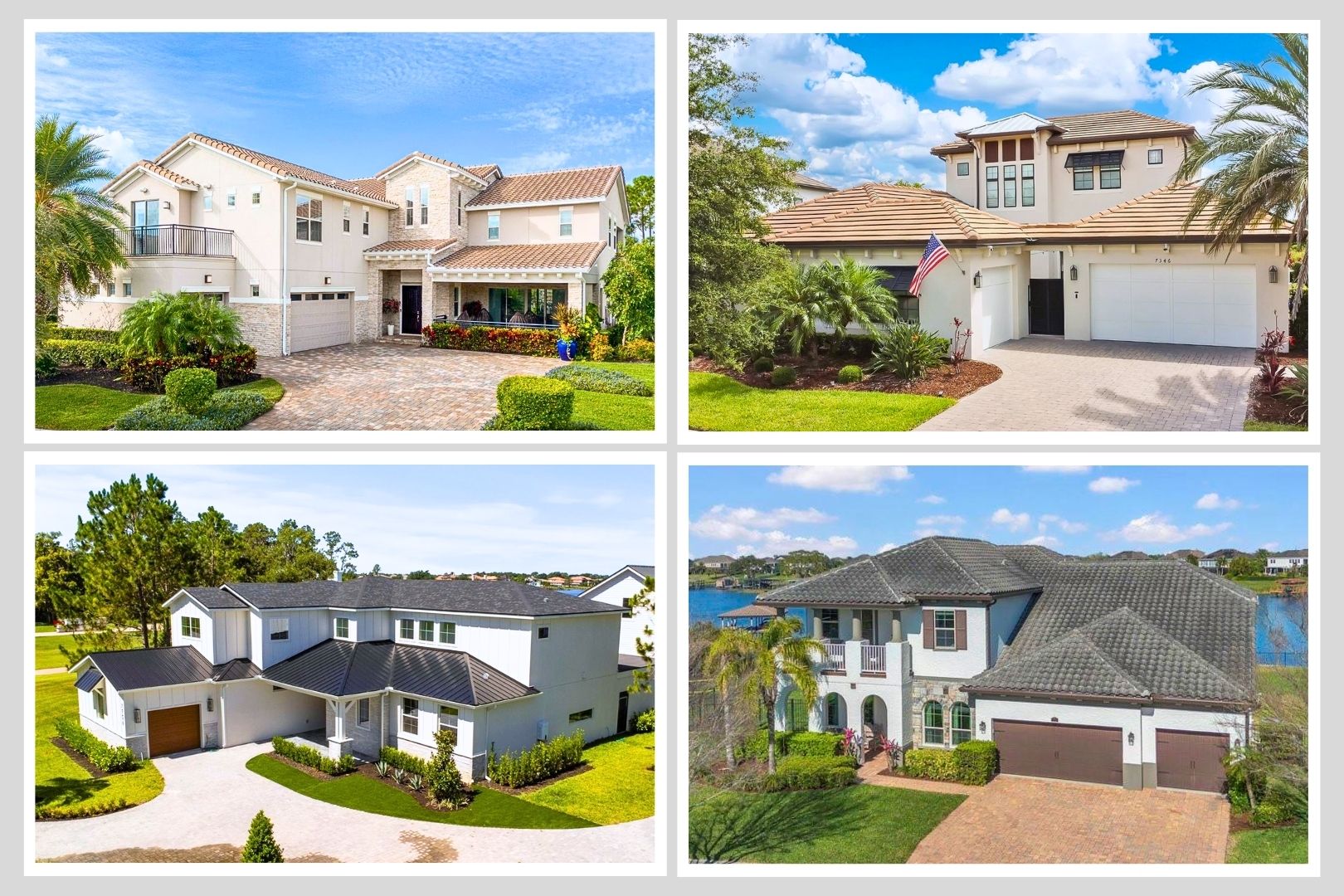
Winter Garden’s inventory diversity is one of its most underrated competitive advantages. The market simultaneously serves multiple buyer profiles, which protects it from the demand volatility that comes with price homogeneity.
Winter Garden’s median household income — which Census ACS estimates have placed in the range of approximately $79,000–$85,000 — runs meaningfully above the national median, reflecting the higher-earning household profile the market consistently attracts.
That income profile in turn supports price floor stability across the market’s distinct sub-areas. Here’s how the main buyer segments break down:
| Area | Home Type | Primary Buyer Profile |
|---|---|---|
| Historic Downtown Core (Plant Street area) | Craftsman bungalows, older single-family homes | Buyers prioritizing walkability, character, and downtown proximity |
| Horizons West (Waterleigh, Overlook at Hamlin, Summerlake) | Newer single-family, townhomes, move-up homes | First-time and move-up buyers drawn to newer construction and school access |
| Lake-Adjacent Areas (Lake Apopka corridor) | Luxury waterfront estates | Buyers seeking open-water views and waterfront lifestyle near a major metro |
Streets along the Marsh Road and Windermere Road corridors place residents within minutes of the West Orange Trail, the Saturday Farmers Market, and Plant Street dining — and that convenience commands consistent interest regardless of broader market conditions. The Horizons West communities also benefit from proximity to Hamlin Town Center, which has brought a meaningful concentration of retail, dining, and entertainment options to what was recently undeveloped land.
What This Means for Buyers and Owners in 2026
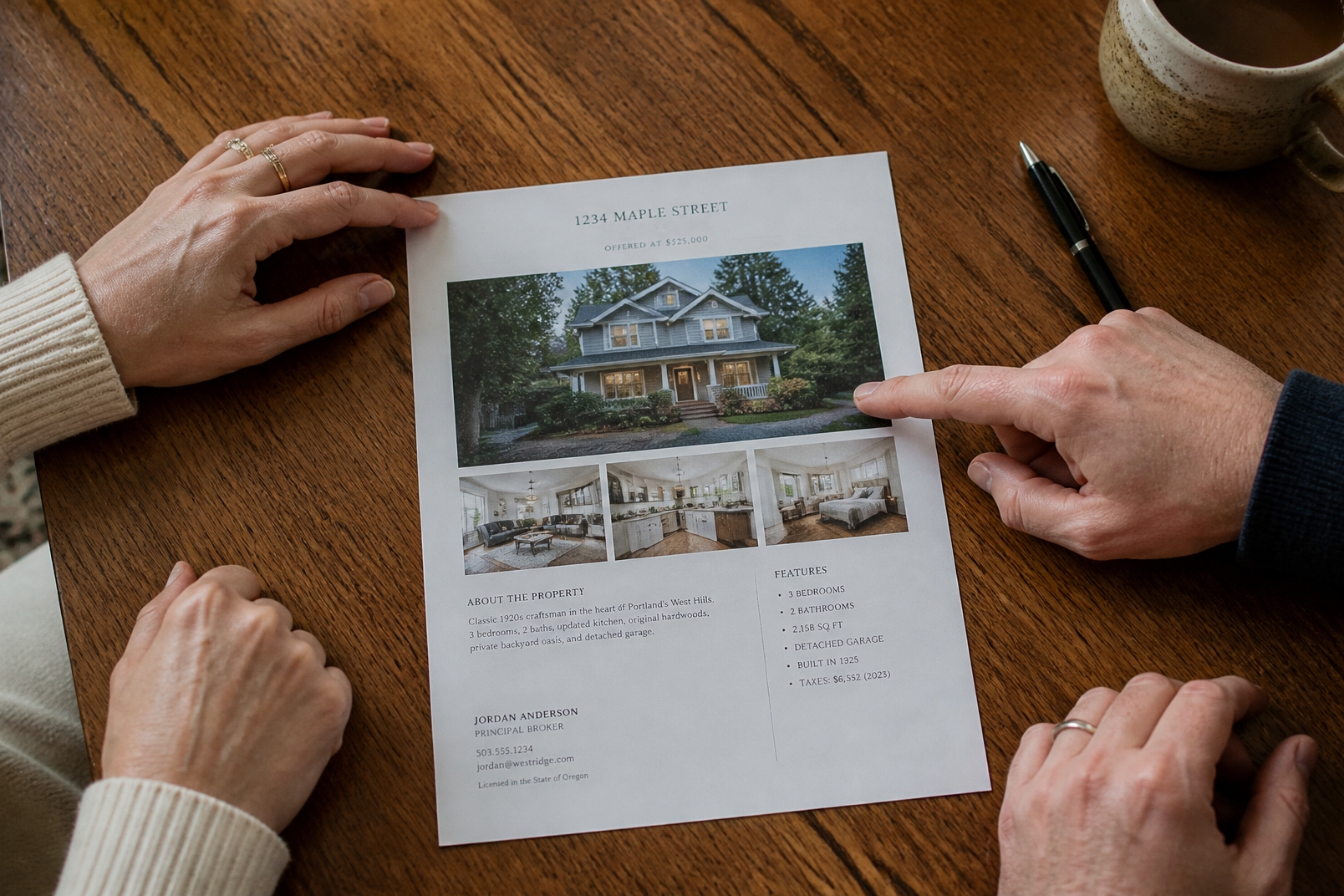
For Buyers — Why Waiting May Cost You in This Submarket
The conventional wisdom of “wait for prices to drop” carries real risks in a market with Winter Garden’s demand profile. When inventory is constrained, school zone access is geographically finite, and walkable downtown adjacency is limited by the physical boundaries of the historic core, the calculus changes. The scarcity premium attached to A-rated school zones and Plant Street proximity doesn’t compress the way premiums in less differentiated markets do.
Buyers who have waited for a meaningful correction in Winter Garden’s most sought-after neighborhoods have historically found themselves waiting through cycles that never delivered the expected entry point. That doesn’t mean every price point and every neighborhood behaves identically — individual situations, specific properties, and current mortgage conditions all matter. But the structural demand case for Winter Garden’s strongest corridors remains durable in a way that rewards buyers who act with information rather than waiting for a market timing certainty that rarely arrives.
For Current Homeowners — Your Equity Position in Context
If you own in Winter Garden, the regional comparison is worth understanding clearly. Homeowners here have generally accumulated equity at a stronger rate than comparable owners in less demand-resilient parts of the Orlando metro. The durability of Winter Garden’s fundamentals — school zones, downtown lifestyle, infrastructure investment — suggests that equity position is better protected against erosion than it might be in more speculative submarkets.
For owners considering a move-up purchase, leveraging equity, or simply trying to understand what their home is worth in today’s specific market, staying informed about current comparable sales — not just broad Orlando market headlines — is essential. The story in your zip code is different from the story on the evening news.
Frequently Asked Questions About the Winter Garden FL Real Estate Market

Why is Winter Garden real estate holding its value better than other parts of Orlando?
Winter Garden’s sustained performance comes down to three stacked fundamentals: a walkable, amenity-rich downtown that creates inelastic lifestyle demand; a cluster of highly rated public schools that concentrate family buyer demand within specific geographic zones; and deliberate infrastructure investment along the SR-429 corridor that has strengthened regional connectivity and employer presence. Most parts of the Orlando metro have one or two of these — Winter Garden has all three working simultaneously, and that combination is genuinely difficult to replicate.
Is Winter Garden FL a good place to buy a home in 2026?
For buyers whose priorities align with what Winter Garden offers — school quality, community identity, trail access, downtown lifestyle, and a diverse inventory range — the market’s fundamentals remain compelling. Inventory is tighter than in more speculative outer-ring markets, which means competition for well-positioned homes is real. Individual circumstances vary considerably, and anyone seriously considering a purchase should work with a local professional who has current, MLS-level visibility into specific neighborhoods and price tiers.
What neighborhoods in Winter Garden are most in demand right now?
The historic downtown core near Plant Street consistently draws strong interest, as do the Horizons West communities of Waterleigh, Overlook at Hamlin, and Summerlake. Lake-adjacent properties within Winter Garden’s footprint — particularly those with Lake Apopka access — attract buyers seeking waterfront lifestyle at a relative value compared to other Central Florida lake markets. Each of these sub-markets has its own pricing dynamics and inventory pace, which is why working with a local professional rather than relying on aggregate data is particularly valuable here.
How does Winter Garden compare to other western Orlando suburbs like Ocoee or Clermont?
The comparison is most productively framed around what Winter Garden has that is genuinely distinctive: a walkable, established downtown with real amenity density, a specific cluster of highly rated school zones, and a more mature community identity rooted in its historic core. Ocoee and Clermont serve important parts of the western metro and offer their own value propositions, but the combination of downtown walkability, school zone concentration, and SR-429 connectivity that defines Winter Garden’s demand premium is not easily replicated in the surrounding submarket.
Are home prices in Winter Garden FL expected to rise in 2026?
No one predicts the market with certainty, and anyone who tells you otherwise is oversimplifying. What can be said with confidence is that Winter Garden’s demand fundamentals are structural rather than speculative — rooted in school zones, infrastructure, and community identity that don’t evaporate with a rate cycle or a shift in broader market sentiment. Buyers and owners should consult current MLS data and work with a local professional rather than relying on metro-level forecasts that may not reflect Winter Garden’s specific conditions.
What types of homes are available in Winter Garden FL?
The inventory range is broader than most buyers expect. The downtown historic core features craftsman bungalows and older single-family homes with character and walkability that attract buyers specifically for that combination. Horizons West communities offer newer single-family construction ranging from townhomes to larger move-up homes with community amenities. The lake-adjacent areas within Winter Garden’s footprint include luxury waterfront estates. This diversity of product type and price point is one reason the market attracts — and retains — such a wide range of buyer profiles.
The Bottom Line on Winter Garden FL Real Estate in 2026

Winter Garden’s sustained outperformance is not luck. It is the result of stacked, durable demand drivers that most of the Greater Orlando market cannot replicate: a walkable downtown that buyers choose as a lifestyle destination, a cluster of highly rated public schools that concentrate family demand within defined geographic zones, deliberate infrastructure investment along the SR-429 corridor that continues to draw employers and residents, and a genuine diversity of inventory across price points.
As the broader Orlando metro navigates the uneven terrain of 2026, Winter Garden’s fundamentals give both buyers and current owners a clearer, more confident footing than most of the region can offer. The data points to a community that has built its identity on things that matter to the people who live there — and that kind of foundation tends to hold.
If you’re thinking about buying or selling in Winter Garden and want to talk through what the market means for your specific situation, feel free to reach out — we’d love to help.