


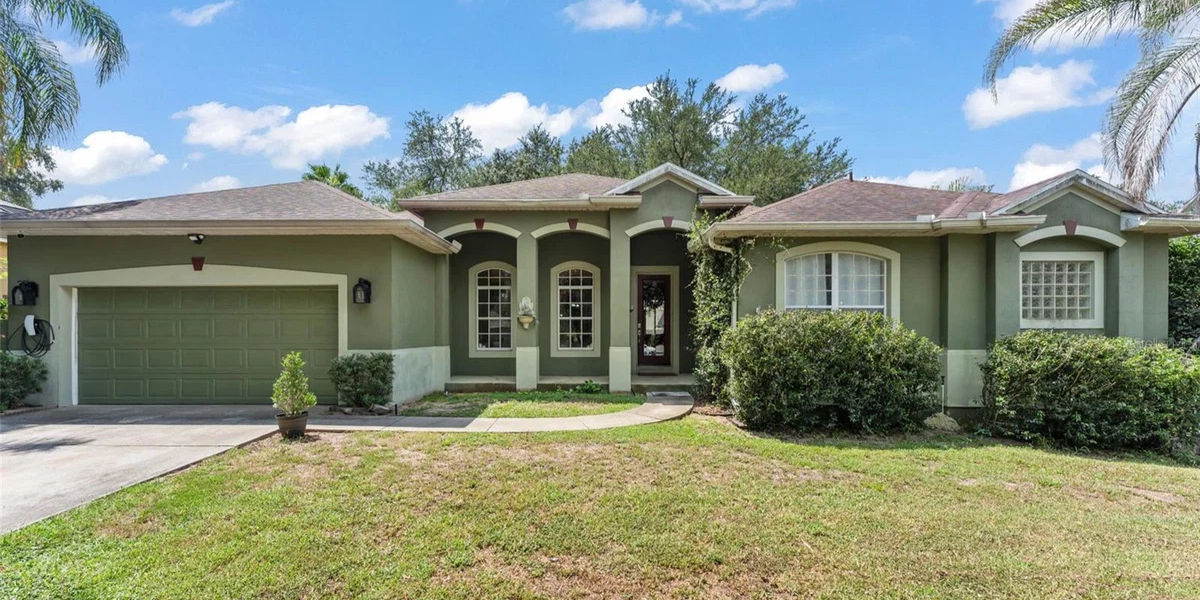
7 Things to Do Before Listing Your Home in the New Year
A new year often brings new goals, fresh starts, and big decisions. For many homeowners, that includes thinking about selling their home. Maybe your family has outgrown your current space, you’re ready to downsize, you’re relocating for work, or you’re simply curious about what your home could sell for.
Whatever your reason, preparing to sell doesn’t have to be overwhelming. In fact, taking a few intentional steps before your home hits the market can make the entire experience more manageable and help you feel confident in the decisions you’re making along the way.
If you’re planning to sell your home in Central Florida or the Tampa Bay area in the new year, the weeks during and immediately following the holidays are a great opportunity to start preparing. You don’t need to have everything figured out, and you certainly don’t need to spend thousands of dollars getting your home ready.
Here are seven things we recommend doing before listing your home in the new year.
1. Get Clear on Your Goals and Selling Timeline
Before you start packing boxes or making home improvements, take some time to think about what you want to accomplish by selling your home.
Understanding your priorities early will help guide decisions about pricing, preparation, marketing, and negotiations.
Start by asking yourself a few questions:
- When would I ideally like to be in my next home?
- Do I need to sell my current home before purchasing another?
- How much money would I like to walk away with after selling?
- Am I willing to make repairs, or would I prefer to sell my home in its current condition?
- Is getting the highest possible price or selling within a specific timeframe more important to me?
- What financial or personal commitments could affect my moving timeline?
If you have children, you may want to coordinate your move around the school calendar. If you’re relocating for work, you may have a specific deadline. If you’re retiring or downsizing, you might have more flexibility.
Work backward from your ideal moving date to account for home preparation, marketing, showings, negotiations, inspections, and closing.
Remember that your listing date and your moving date are two very different things. Building some flexibility into your timeline can help reduce unnecessary stress.
You don’t need to commit to a specific date right away. Having a general plan simply gives you a starting point.
2. Find Out What Your Home Is Worth in Today’s Market
One of the most important things to do before selling your home is understand its current market value.
It’s natural to look at online home value estimates or pay attention to what your neighbors’ homes have sold for. While these can provide a general idea, they don’t always tell the full story.
Real estate is hyper-local. A home in Winter Park may face very different market conditions than a similar home in Lake Nona, Clermont, Wesley Chapel, or South Tampa. Even homes within the same neighborhood can have different values based on their condition, upgrades, lot size, location, and other features.
A real estate agent can prepare a comparative market analysis (CMA) that considers factors such as:
- Recently sold comparable homes
- Homes currently on the market
- Pending sales
- Property condition and recent improvements
- Neighborhood-specific market trends
- Competition within your price range
- Features that make your property stand out
Understanding your home’s value early also gives you an opportunity to estimate your potential proceeds.
Your sale price isn’t necessarily the amount you’ll walk away with at closing. You’ll also want to consider your remaining mortgage balance, closing costs, real estate fees, potential seller concessions, and moving expenses.
Ask your real estate agent for an estimated seller net sheet so you can better understand what selling could mean for you financially.
At The Nickley Group, we believe homeowners should have access to this information whether they’re ready to sell next month or are simply exploring their options for later in the year.
3. Declutter and Start Preparing for Your Move

Taking down holiday decorations is a natural opportunity to begin decluttering your home. Instead of putting everything back into storage, consider what you actually want to bring with you to your next home.
Decluttering can help buyers focus on the space and features of your home rather than the belongings inside it. It can also make your eventual move easier.
Start with areas that tend to accumulate the most items:
- Kitchen countertops and pantry
- Bedroom closets
- Bathroom cabinets
- Garage and storage areas
- Home office
- Bookshelves and entertainment centers
- Laundry room
Create four categories as you work through each space: keep, donate, sell, and discard.
You don’t need to tackle your entire home in one weekend. Set aside a little time each day or focus on one room at a time.
Pay particular attention to closets and storage spaces. Buyers often open closets, cabinets, and pantries during showings because they want to understand how much storage a home offers. Organizing these areas can help them better evaluate the available space.
For Central Florida and Tampa homeowners, garages can also be important selling features. Between holiday decorations, outdoor equipment, beach gear, and everyday storage, garages can quickly become crowded. Try to avoid using yours as a holding area for everything you’ve removed from the rest of the house.
If you’re planning to move within the next few months, consider packing seasonal items and belongings you rarely use. You’ll be getting your home ready for showings while getting a head start on moving day.
4. Take Care of Minor Repairs Before They Become Distractions
Walk through your home as if you’re seeing it for the first time. What would you notice? What might make you wonder whether the home has been well maintained?
When you’ve lived somewhere for years, it’s easy to overlook the little things. The loose cabinet handle, dripping faucet, or scuffed baseboard may no longer bother you, but a buyer could notice them.
Before listing your home, consider addressing simple maintenance items such as:
- Replacing burned-out light bulbs
- Repairing leaky faucets and running toilets
- Tightening loose door handles and cabinet hardware
- Touching up chipped or scuffed paint
- Replacing damaged caulking around sinks, showers, and tubs
- Repairing torn window or patio screens
- Checking that doors and windows open and close properly
- Replacing dirty air conditioning filters
Florida homeowners should also pay attention to maintenance items that are particularly relevant to our climate. Check for signs of moisture, water intrusion, damaged exterior seals, or drainage issues. Make sure your air conditioning system is functioning properly, and address any known roof or plumbing concerns.
If your home has a pool, take time to check the condition of the pool equipment, deck, and screen enclosure.
For larger concerns, consult a qualified professional rather than attempting a quick cosmetic fix. Be prepared to discuss known property issues with your real estate agent and understand your disclosure obligations.
Most importantly, don’t assume you need to renovate your kitchen, replace all your flooring, or remodel your bathrooms before selling.
We recommend speaking with a real estate agent before committing to expensive improvements. The right preparation strategy depends on your home’s condition, price range, location, and the homes you’ll be competing against.
Sometimes, a handful of smaller improvements makes more sense than a major renovation.
5. Refresh Your Curb Appeal and Outdoor Living Spaces
Your home’s exterior is often the first thing buyers see, whether they’re browsing listings online or pulling into your driveway for a showing.
One advantage of selling a home in Central Florida or Tampa during the early months of the year is that our climate often allows homeowners to work on outdoor spaces without the challenges of peak summer heat.
Once your holiday decorations come down, take a fresh look at your home’s exterior.
Consider making a few simple updates:
- Pressure wash the driveway, walkways, and appropriate exterior surfaces.
- Trim overgrown shrubs and remove dead plants.
- Refresh mulch in landscaping beds.
- Clean the front door and entryway.
- Remove cobwebs from exterior light fixtures.
- Replace a worn welcome mat.
- Clean outdoor furniture and cushions.
- Remove unnecessary items from patios and porches.
Outdoor living is an important part of life in Florida. If your home has a screened lanai, pool, covered patio, or spacious backyard, give buyers an opportunity to appreciate how they could use that space.
Arrange patio furniture in a way that feels functional and inviting. Clean the pool, remove clutter, and make sure outdoor areas are ready to be photographed.
If cooler weather has affected your landscaping, focus on removing damaged plants and keeping the yard tidy rather than spending heavily on a complete landscaping overhaul.
Your goal isn’t to create a picture-perfect property. It’s to present a home that feels cared for and allows buyers to imagine themselves living there.
6. Gather Important Documents and Home Maintenance Records
Preparing to sell involves more than getting your home ready for photographs and showings. Gathering important paperwork ahead of time can help you avoid scrambling for information once a buyer is interested.
Create a folder, either digital or physical, with documents related to your property.
Helpful items to gather include:
- Mortgage statements
- Property tax information
- Homeowners association or condominium association documents
- HOA fees and information about known assessments
- Records of major repairs and renovations
- Roof replacement or repair documentation
- HVAC installation and maintenance records
- Appliance and equipment warranties
- Permits for completed home improvements
- Flood insurance information, if applicable
- Solar panel agreements, if applicable
- Previous property surveys
In Florida, buyers may have questions about the age and condition of a home’s roof, electrical system, plumbing, and HVAC system because these details can affect homeowners insurance options.
Knowing when these systems were installed or updated, and having documentation available, can help you respond to questions more confidently.
If you own a condominium or a property within an HOA community, gather information about association fees, restrictions, amenities, and any known upcoming assessments. Your real estate agent can help you identify additional documents that may be needed.
You may also want to discuss whether a pre-listing home inspection makes sense for your property. It isn’t necessary for every seller, but it may help identify concerns before negotiations begin.
Having this information organized early can make the selling process smoother and give your real estate team a better understanding of your property.
7. Meet With a Real Estate Agent Before You’re Ready to List

Many homeowners wait until their home is completely ready before contacting a real estate agent. However, having that conversation earlier can be one of the most helpful things you do.
You don’t need to have freshly painted walls, perfectly organized closets, or a confirmed moving date before scheduling a consultation.
An experienced local real estate agent can help you determine where to focus your time, energy, and money.
During an initial consultation, we recommend discussing:
- Your home’s estimated market value
- Current market conditions in your neighborhood
- Your ideal listing and moving timeline
- Recommended repairs and improvements
- Home staging and photography preparation
- Pricing strategy
- Marketing and exposure
- Estimated selling expenses and potential proceeds
- How to coordinate selling your current home with buying your next one
It’s also worth asking how your home will be marketed. Professional photography, thoughtful listing descriptions, online exposure, and a marketing strategy tailored to your property are all important considerations.
Rather than choosing a listing date based solely on the season, work with your agent to evaluate buyer activity, competing inventory, and recent sales in your specific neighborhood. The beginning of the year may be a good fit for your goals, but the right time to sell depends on your circumstances and local market conditions.
At The Nickley Group, our clients have the support of more than 60 real estate professionals, including dedicated listing agents, marketing specialists, operations professionals, and transaction coordinators.
As the #1 Keller Williams team in Florida, with more than $2 billion in real estate sold, we’ve helped homeowners navigate a wide range of selling situations. We understand that every home, every family, and every move is different.
Our goal is to help you create a plan that makes sense for you, even if selling is still several months away.
Thinking About Selling Your Home in the New Year?
Selling your home is a big decision, but preparing for it doesn’t have to take over your life. By starting early, understanding your options, and focusing on the things that matter most, you can approach the process with greater confidence.
You don’t have to complete all seven steps before reaching out to a real estate professional. In fact, having someone help you prioritize them can save you time, money, and unnecessary work.
Whether you’re planning to sell your home in Orlando, elsewhere in Central Florida, or throughout the Tampa Bay area, The Nickley Group is here to help you understand your options and make informed decisions about your next move.
Curious about what your home is worth? Wondering which improvements are worth making? Unsure whether the new year is the right time to sell?
Let’s have a conversation. There’s no pressure to list and no expectation that you have everything figured out. We’re happy to help you create a plan, answer your questions, and move forward whenever the time is right for you.